

I. Introduction
Shipping furniture containers to Canada in 2026 presents both unique opportunities and challenges for Australian small business owners, importers, and e - commerce sellers. I recall back in 2024, a client who was an apparel importer planned to ship some large - scale furniture items from China to Canada. But they had no idea about the complicated procedures and ended up facing a series of troubles. That's why having a clear understanding of the shipping process is crucial.
II. 2026 Policy Changes and Implications
In 2026, there have been some significant policy updates in the Canadian Cross - Border Services Agency (CBSA). One of the major changes affects wood - based furniture. The CBSA has tightened regulations on wood products to prevent the spread of pests and diseases. All wooden furniture must now go through mandatory pest inspections. This means it's not just about meeting the aesthetic and functional requirements of the furniture; extra attention must be paid to its compliance with these new biology - related regulations.
III. Choosing the Right Shipping Method
Ocean Freight Ocean freight is often the go - to option for shipping furniture containers due to its cost - effectiveness for large volumes. For instance, a home goods seller once shipped a container of about 20 cubic meters of furniture from Shanghai to the Port of Vancouver. The cost was relatively reasonable compared to air freight. However, it's important to note that ocean freight is slow. It usually takes roughly 28 days for a container to travel from a major Chinese port to Vancouver. Weather conditions, port congestion, and shipping lane disruptions can also cause delays.Air Freight If you're dealing with high - value, small - volume furniture or need it to arrive quickly, air freight is a viable option. But it comes with a hefty price tag. For a 3C electronics seller who needed to ship some custom - made, high - end furniture prototypes to a Canadian client in Toronto, air freight got the products there in about 7 days. However, the cost was almost three times that of ocean freight.
IV. Packing and Labeling
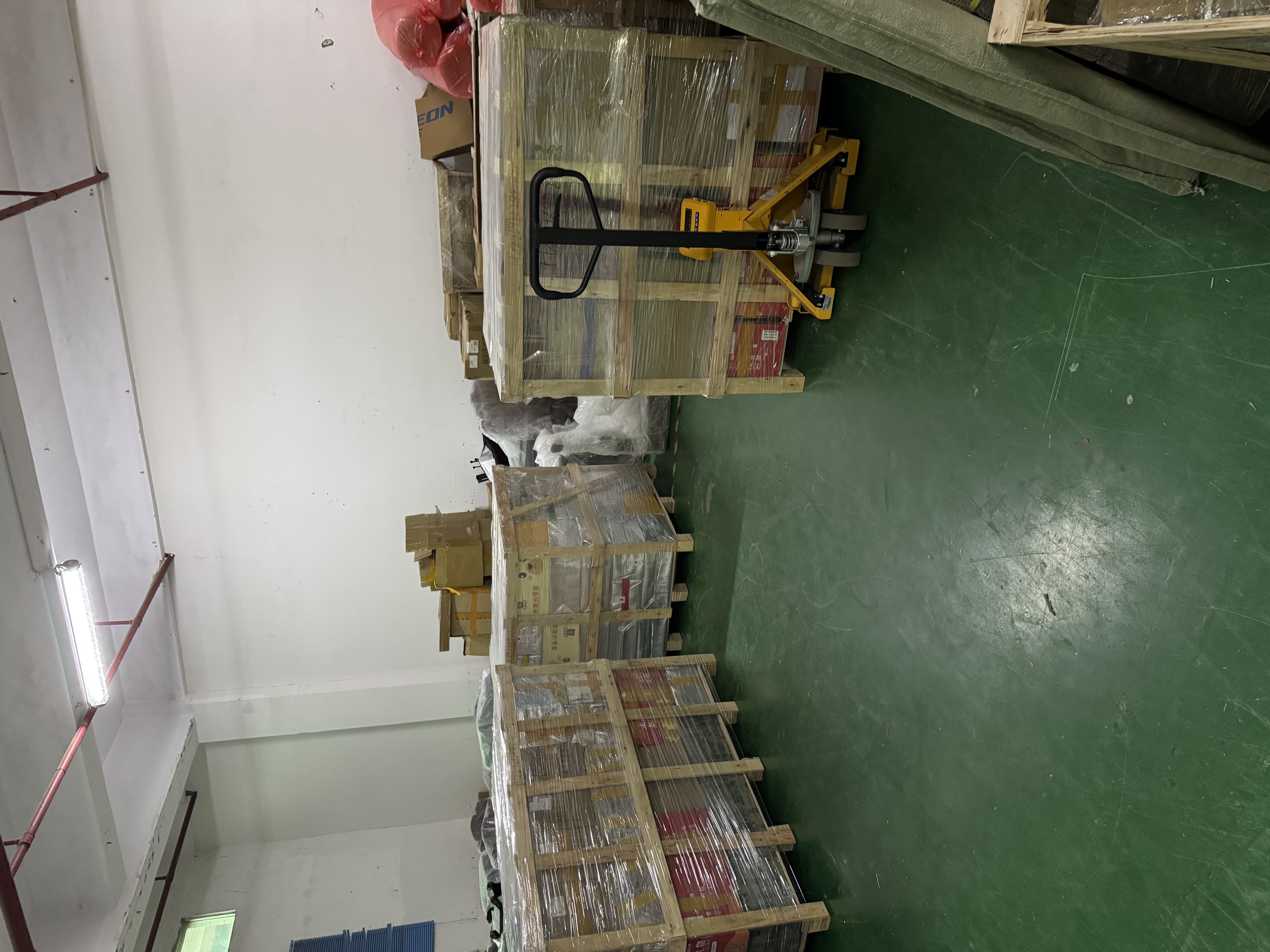
Packing Proper packing is essential to ensure furniture arrives in good condition. I've seen many cases where inadequate packing led to damaged goods. For wooden furniture, it's advisable to use wooden crates or pallets for support. Wrap delicate parts with bubble wrap or foam. For example, a trade factory shipping a container of glass - topped tables to Montreal had to use multiple layers of protective materials to prevent breakage.Labeling Accurate labeling is also crucial. Each container should have clear labels indicating the country of origin, the contents of the container (including detailed descriptions of the furniture), and the destination address. Incorrect or unclear labeling can lead to customs delays.
V. Customs Clearance
Documentation Prepare all necessary documents well in advance. Required documents typically include a commercial invoice, packing list, bill of lading, and a certificate of origin. A client who was shipping furniture to Calgary faced a two - week delay at the border because their commercial invoice lacked some required details.Tariffs and Duties Be aware of the applicable tariffs and duties. Furniture is classified using HS codes, and different types of furniture may have different tariff rates. It's important to classify your furniture correctly to avoid overpaying or underpaying duties.
VI. Logistics and Delivery
Port Operations Once the container arrives at the Canadian port, it will go through various port operations, such as unloading and customs inspections. The Port of Vancouver, for example, is one of the busiest ports, and congestion can occur. Make sure to coordinate with your freight forwarder in advance to minimize the time your container spends at the port.Last - mile Delivery Arrange for reliable last - mile delivery services. Whether it's delivering the furniture to a retail store in Vancouver or a customer's home in Toronto, choose a delivery partner with experience in handling furniture. They should have the appropriate equipment and trained staff to ensure safe and timely delivery.
VII. FAQ
Q: I'm an Australian small business owner. Can I use a freight forwarder to handle the entire shipping process? A: Absolutely. Using a freight forwarder like [Shengda International Logistics] can simplify the process for you. They have the experience and knowledge to handle all aspects, from booking the shipping space to customs clearance and delivery. They'll also keep you updated on the status of your shipment.Q: What if my furniture is rejected during the CBSA inspection? A: If your furniture is rejected, it could be due to non - compliance with regulations, such as pest - related issues or incorrect labeling. In this case, you may need to pay for additional treatment or corrections. If the problem is severe, you may have to arrange for the furniture to be shipped back.
Q: How can I estimate the shipping cost for my furniture container? A: Shipping costs depend on several factors, including the volume or weight of the container, the shipping method (ocean or air), the distance, and any additional services required. You can get a quote from your freight forwarder by providing them with detailed information about your shipment, such as the size, weight, and destination.
Q: Are there any restrictions on the types of furniture I can ship to Canada? A: There are some restrictions. For example, some types of endangered wood are prohibited. Also, furniture with certain chemicals or substances that don't meet environmental or safety standards may be restricted. Make sure to check the Canadian regulations before shipping.
Q: How long does it usually take to get my furniture container through customs? A: Generally, it can take from a few days to a couple of weeks. If your documentation is complete and correct, and your furniture meets all the regulations, the process may be faster. However, if there are issues with inspection or documentation, it can take longer.
Shipping furniture containers to Canada in 2026 requires careful planning, attention to detail, and awareness of the latest policies. By following these guidelines, you can ensure a smoother and more successful shipping experience.
