

I. Introduction
Shipping personal effects to Australia via sea freight can be a complex process, especially with the upcoming 2026 Australian Border Force (ABF) policy changes. I've seen many clients run into issues during this process. Once, a client in Sydney was really excited about moving his personal items from China. But due to some common mistakes, his shipment got delayed, and he was quite stressed. So, let's dive into the common pitfalls and how to avoid them.
II. Common Pitfalls and Solutions
1. Incorrect Documentation
The Problem: One of the most frequent mistakes is incorrect or incomplete documentation. In 2026, the ABF is likely to tighten its requirements for shipping personal effects. For example, I had a client last year who was shipping a lot of antiques to Melbourne. He didn't provide detailed descriptions and provenance for these items. As a result, his shipment was held at Port Melbourne for over two weeks, and he had to pay extra inspection fees.The Solution: Make sure you have all the necessary documents, including a detailed inventory list. Each item should have a clear description, its approximate value, and its age if it's an antique. Also, obtain any required certificates, such as fumigation certificates for wooden items.
2. Not Understanding Biosecurity Regulations
The Problem: Australia has strict biosecurity regulations to protect its unique environment. Many people unknowingly ship items that are prohibited or require special treatment. A client from Brisbane once shipped a collection of used gardening tools from China. These tools had traces of soil on them, which contained pests. The shipment was fumigated at the client's expense, and the process took roughly 14 days.The Solution: Before shipping, thoroughly clean all items, especially those that have been in contact with soil, plants, or animals. Check the Department of Agriculture, Fisheries and Forestry (DAFF) website for a list of prohibited and restricted items.
3. Shipping Hazardous or Restricted Items
The Problem: Some items are considered hazardous or restricted for sea freight to Australia. For instance, a 3C electronics seller in Sydney shipped some products with lithium - ion batteries without proper packaging and documentation. The shipment was flagged at Port Botany, and there were significant fines and delays.The Solution: Familiarize yourself with the list of hazardous and restricted items. If you need to ship restricted items, follow the strict packaging and documentation requirements. For items with batteries, make sure they are properly insulated and declared.
4. Not Planning for Delays
The Problem: Sea freight is subject to various delays, such as bad weather, port congestion, and customs inspections. A home goods seller from Melbourne didn't account for potential delays when shipping a large order of furniture. The delay meant that his stock was late for the peak selling season, resulting in lost sales.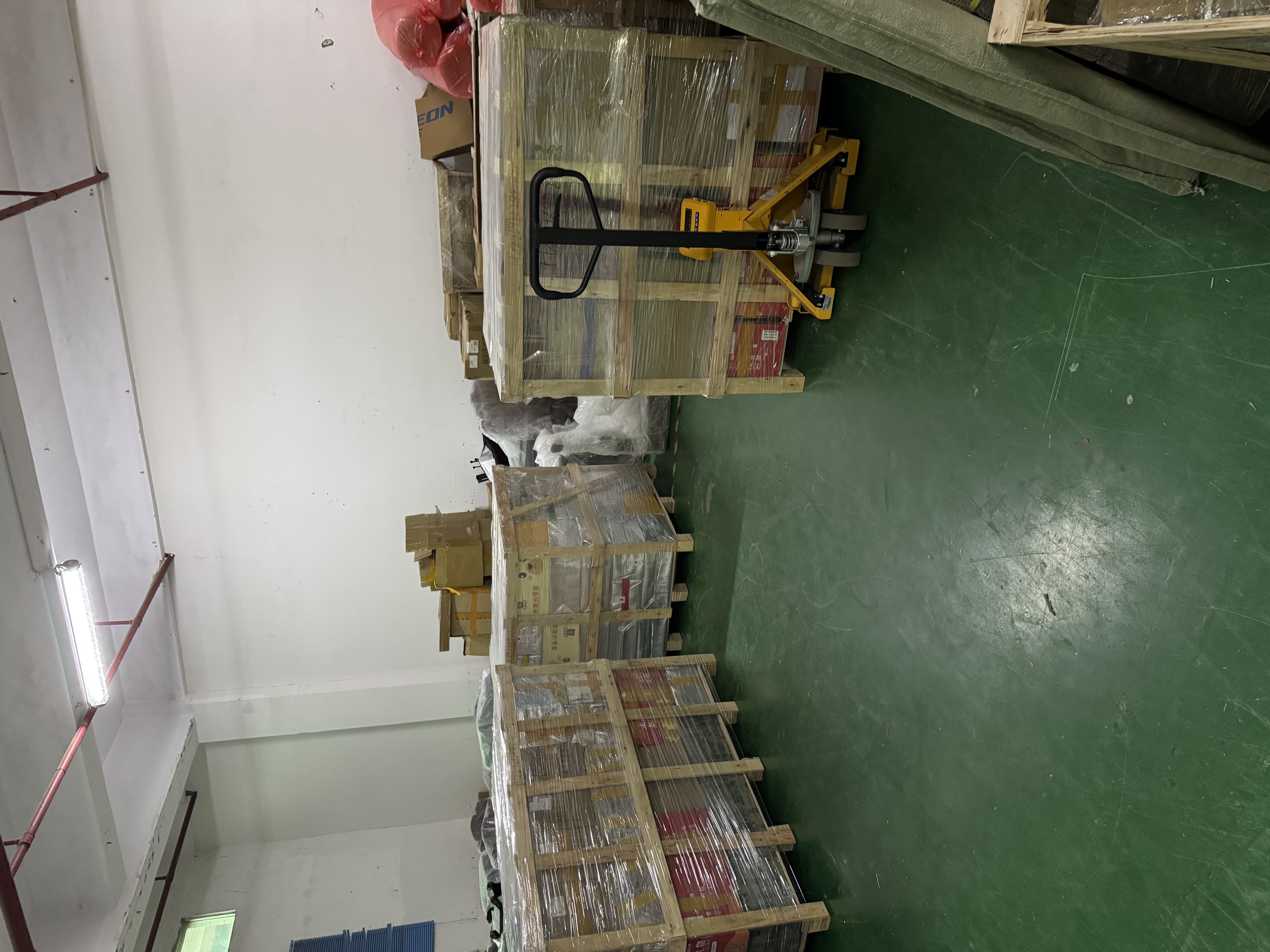
The Solution: Build some buffer time into your shipping schedule. Monitor the shipping process closely and stay in touch with your freight forwarder for any updates.
5. Choosing the Wrong Freight Forwarder
The Problem: Selecting an inexperienced or unreliable freight forwarder can lead to many problems. I once had a client who chose a cheap, unregulated forwarder. The forwarder mislabeled the shipment, and it ended up in the wrong port. The client had to arrange for the re - routing at his own cost.The Solution: Do your research before choosing a freight forwarder. Look for a company with a good reputation, experience in shipping to Australia, and a clear understanding of the 2026 regulations. At [盛达国际物流], we have a team of experts who are well - versed in the Australian market and can handle all aspects of your shipment.
III. Cost Considerations
1. Hidden Costs
The Problem: Many people are unaware of the hidden costs associated with sea freight. Some freight forwarders may charge additional fees for services like storage at the port, customs processing, or handling. A client in Brisbane was shocked when he received a bill with unexpected charges for port handling fees.The Solution: Get a detailed quote from your freight forwarder that includes all possible costs. Make sure you understand what each charge is for. At [盛达国际物流], we offer a transparent pricing system with no hidden fees.
2. Insurance Costs
The Problem: If you don't insure your shipment, you could be at risk of significant financial loss in case of damage or loss. A clothing importer from Sydney didn't insure a large shipment of garments. During transit, the container was damaged, and a large portion of the clothes were ruined. The importer had to bear the full cost of the loss.The Solution: Consider purchasing insurance for your shipment. It's a small cost compared to the potential loss. [盛达国际物流] offers comprehensive insurance options to protect your shipment.
IV. FAQ
Q: How long does it usually take to ship personal effects from China to Australia via sea freight in 2026? A: It depends on various factors like the departure and arrival ports, shipping route, and potential delays. Generally, it can take about 18 - 25 days for a direct shipment. But if there are delays due to customs inspections or bad weather, it could take longer.
Q: Can I ship food items to Australia via sea freight in 2026? A: Some food items are allowed, but there are strict regulations. You need to check the DAFF website for a list of permitted food items. Also, you must provide accurate documentation about the origin, ingredients, and storage conditions of the food. At [盛达国际物流], we can help you with the proper declaration and compliance.
Q: What should I do if my shipment is held at customs in Australia in 2026? A: First, stay calm. Contact your freight forwarder immediately. They will work with Australian authorities to resolve the issue. Usually, it's because of incomplete or incorrect documentation. Provide any additional information or documents as requested.
Q: Is it necessary to use a freight forwarder for shipping personal effects to Australia in 2026? A: While it's not mandatory, using a freight forwarder can save you a lot of time and hassle. They have the expertise and knowledge of the 2026 regulations, and they can handle all the documentation, customs clearance, and shipping arrangements for you.
Q: How can I ensure my shipment is compliant with the 2026 Australian regulations? A: The best way is to work with an experienced freight forwarder who is up - to - date with the new regulations. Also, do your own research on the ABF and DAFF websites. Make sure your documentation is accurate and complete, and you've followed all the biosecurity and shipping requirements.
In the complex world of international shipping, especially with the 2026 policy changes in Australia, being well - informed and prepared is crucial. By avoiding these common pitfalls and following the right procedures, you can ensure a smooth and successful sea freight shipment of your personal effects to Australia.
