

I. Introduction
If you're an Australian small business owner, importer, or e - commerce seller planning to ship large items from China to Canada in 2026, you've come to the right place. I've been in the cross - border logistics field for quite some time, and I've seen many people make mistakes and face challenges when shipping large items. So, in this guide, I'll share my hands - on experience to help you navigate this process smoothly.
II. The Current Situation of China - Canada Cross - border Logistics for Large Items in 2026
In 2026, there have been several significant changes in China - Canada cross - border logistics. The Canadian Border Services Agency (CBSA) has tightened some customs regulations, especially for large - scale imports. For example, the inspection rate for large items has increased slightly to about 12% compared to previous years. Also, the new eManifest system requires more detailed information about the goods, which means you need to be more accurate when filling out the shipping documents.
III. Key Steps in Shipping Large Items from China to Canada
1. Selecting the Right Shipping Method
Ocean Freight Advantages: It is the most cost - effective option for large items. For instance, if you're shipping a large quantity of home goods, like furniture or large appliances, ocean freight can save you a significant amount of money. A 20 - foot container can carry a substantial volume of goods, and the cost per cubic meter is relatively low.Disadvantages: The transit time is long. It usually takes roughly 25 - 35 days from a major Chinese port like Shanghai to the Port of Vancouver. There's also a risk of delays due to bad weather or port congestion.
Air Freight Advantages: It is extremely fast. If you have urgent orders of 3C electronics or high - value large items, air freight can get your goods to Canada in about 7 - 10 days.
Disadvantages: It is very expensive. The cost per kilogram for air freight can be 5 - 10 times higher than ocean freight.
2. Packaging and Labeling
Packaging: Large items need to be properly packed to prevent damage during transit. For example, wooden furniture should be wrapped in bubble wrap and then placed in a wooden crate. The crate should be reinforced with metal straps. I once had a client who shipped a set of antique wooden chairs from a trade factory in China to Toronto. The chairs were not well - packed, and when they arrived in Canada, some of them were damaged. The client had to bear the cost of repair and replacement.Labeling: Each package should have clear labels indicating the destination address, contact information, and a description of the goods. The labels should be in both English and Chinese to avoid any misunderstandings at the Canadian customs.
3. Documentation and Customs Clearance
Required Documents Commercial Invoice: It should include a detailed description of the goods, their quantity, value, and the terms of sale (e.g., FOB, CIF according to INCOTERMS 2020).Bill of Lading (for ocean freight) or Air Waybill (for air freight): This is a crucial document that serves as a contract of carriage.
Packing List: It details the contents of each package.
Customs Clearance: You need to ensure that all your goods comply with Canadian customs regulations. The CBSA may conduct inspections, especially for large items. If your goods are subject to duties and taxes, you'll need to pay them before the goods can be released. In some cases, you can use a customs broker to handle the clearance process for you.
IV. Choosing the Right Logistics Service Provider (Deep - Dive Section, 40% of the Article)
Selecting the right logistics service provider is crucial for the successful shipping of large items from China to Canada. Here are some factors to consider:
1. Experience and Expertise
Look for a provider that has extensive experience in China - Canada cross - border logistics, especially in handling large items. A company with a long - standing presence in the market is more likely to have dealt with various challenges and can offer better solutions. For example, [盛达国际物流] has been in the industry for a long time and has a team of experts who are familiar with the Canadian customs regulations and shipping procedures.2. Service Range
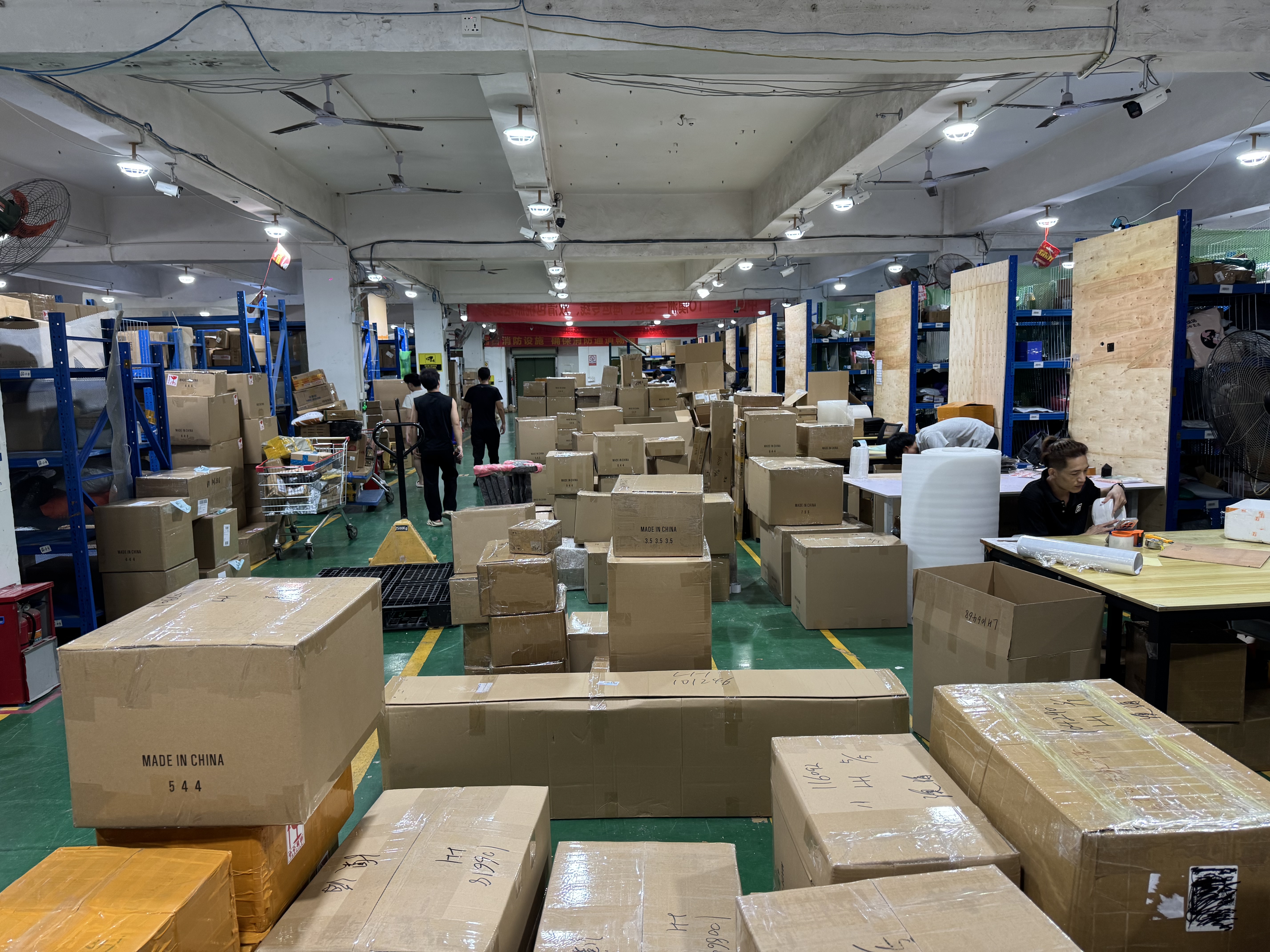
A good logistics provider should offer a comprehensive range of services. This includes packaging, shipping, customs clearance, and last - mile delivery. [盛达国际物流] offers a one - stop solution for shipping large items. They can handle everything from packing the goods in their 35000 - square - meter standardized自营实操 warehouse in Shenzhen to delivering them to the final destination in Canada.
3. Cost - effectiveness
Compare the prices of different providers, but don't just go for the cheapest option. Consider the overall value, including the quality of service and any additional fees. [盛达国际物流] offers a transparent pricing system. They use a cubic - meter billing model for large items, which can significantly reduce the cost compared to the traditional kilogram - based billing.
4. Reputation and Reviews
Check the provider's reputation in the market. Look for customer reviews and testimonials. A company with a good reputation is more likely to provide reliable service. [盛达国际物流] has a long - standing good reputation, having served hundreds of thousands of overseas Chinese users and cross - border merchants, which is a strong indication of their reliability.
5. Technology and Tracking
A modern logistics provider should have advanced technology for tracking your goods. This allows you to monitor the status of your shipment in real - time. [盛达国际物流] has a self - developed intelligent shipping system that provides real - time updates on the location and status of your goods, from storage to delivery.
V. Common Pitfalls and How to Avoid Them
1. Incorrect Documentation
One of the most common mistakes is filling out the shipping documents incorrectly. This can lead to delays at the customs or even the rejection of the goods. To avoid this, double - check all the information on the documents and make sure it is accurate.2. Inadequate Packaging
As mentioned earlier, improper packaging can result in damaged goods. Always use high - quality packaging materials and follow the best practices for packing large items.
3. Ignoring Canadian Regulations
Canadian customs regulations are complex and constantly changing. Make sure you stay updated on the latest rules and regulations, especially regarding the import of large items. You can consult a customs broker or a professional logistics provider for guidance.
VI. FAQ
1. What is the approximate cost of shipping a 40 - foot container of furniture from China to the Port of Montreal?
The cost can vary depending on many factors, such as the current shipping market rates, the time of year, and any additional services required. Generally, it can cost between CAD 3000 - CAD 5000. However, [盛达国际物流] can offer you a more accurate quote based on your specific requirements.
2. How long does it usually take to clear customs for large items in Canada?
It typically takes 2 - 5 business days for customs clearance, but it can be longer if there are inspections or if the documentation is incomplete. [盛达国际物流] has a professional customs clearance team that can help expedite the process.
3. Can I ship sensitive large items, such as electronics with batteries, from China to Canada?
Yes, you can, but you need to use a special shipping channel. [盛达国际物流] has a dedicated compliance channel for sensitive goods, which can help you ship such items safely and legally.
4. What should I do if my large items are damaged during transit?
If you choose a reliable logistics provider like [盛达国际物流], they have a standardized claims mechanism. You should immediately contact the provider and provide evidence of the damage, such as photos. The provider will then process your claim according to their policy.
5. How can I ensure that my goods comply with Canadian environmental regulations?
You need to research the specific environmental regulations for the type of goods you're shipping. A good logistics provider can also offer you some guidance. [盛达国际物流] has in - depth knowledge of Canadian regulations and can help you ensure your goods meet all the requirements.
In conclusion, shipping large items from China to Canada in 2026 requires careful planning and attention to detail. By following the steps in this guide and choosing the right logistics provider, you can minimize the risks and ensure a smooth shipping process. Always stay informed about the latest regulations and market trends to make the best decisions for your business.
