

Introduction
As an e - commerce seller looking to ship parcels to Australia in 2026, you're likely to face a series of challenges. I've seen many clients stumble in this area over the years. For instance, a 3C electronics seller from China once lost a significant amount of money due to improper shipping practices. In this article, I'll share some common pitfalls and how to avoid them based on my first - hand experience in the cross - border logistics industry.
I. Customs and Regulatory Compliance
New Biosecurity Regulations In 2026, the Australian Department of Agriculture, Fisheries and Forestry (DAFF) has tightened biosecurity regulations. For example, home goods like wooden products or items with natural fibers need to be properly treated and declared. A client in 2024 had a shipment of hand - crafted wooden furniture from China to Sydney. The lack of proper fumigation and accurate declaration led to the entire shipment being quarantined at Port Botany for roughly 14 days. The seller had to bear significant additional costs for storage and re - treatment. To avoid this, always check the DAFF's official website for up - to - date biosecurity requirements before shipping.Customs Valuation and Tariffs The Australian Border Force (ABF) has strict rules regarding customs valuation. Incorrectly declaring the value of your goods can lead to issues. Under - valuing items may result in penalties and delayed clearance, while over - valuing can increase your tax and duty costs. For example, an apparel importer once declared a low value for a shipment of designer clothing to Melbourne. The ABF conducted an investigation, and not only did the importer have to pay the correct duties and taxes but also faced a fine. It's crucial to understand the Harmonized System (HS) codes for your products and determine the accurate customs value. Use the Incoterms 2020 correctly to define who is responsible for what in the shipping process.
II. Shipping Method Selection
Choosing the Right Carrier Many online sellers often choose a carrier based solely on price. However, a cheaper carrier may have longer transit times, less reliable tracking, and a higher chance of lost or damaged parcels. I once had a client who chose a relatively unknown carrier for a shipment of 3C electronics to Brisbane. The carrier had issues with its logistics network, and the shipment was delayed by almost 20 days. The client lost several sales opportunities as a result. When selecting a carrier, consider their reputation, transit times, and customer service, in addition to cost.Mode of Transportation The choice between air freight and sea freight depends on various factors such as the size, weight, and urgency of your goods. Air freight is faster but more expensive, while sea freight is slower but more cost - effective for large and heavy shipments. An e - commerce seller of home goods who needed to restock inventory quickly in Sydney chose sea freight to save on costs. However, the long transit time led to stock shortages in their store. Before deciding, calculate the cost implications of each mode and how it aligns with your business needs.
III. Packaging and Labeling
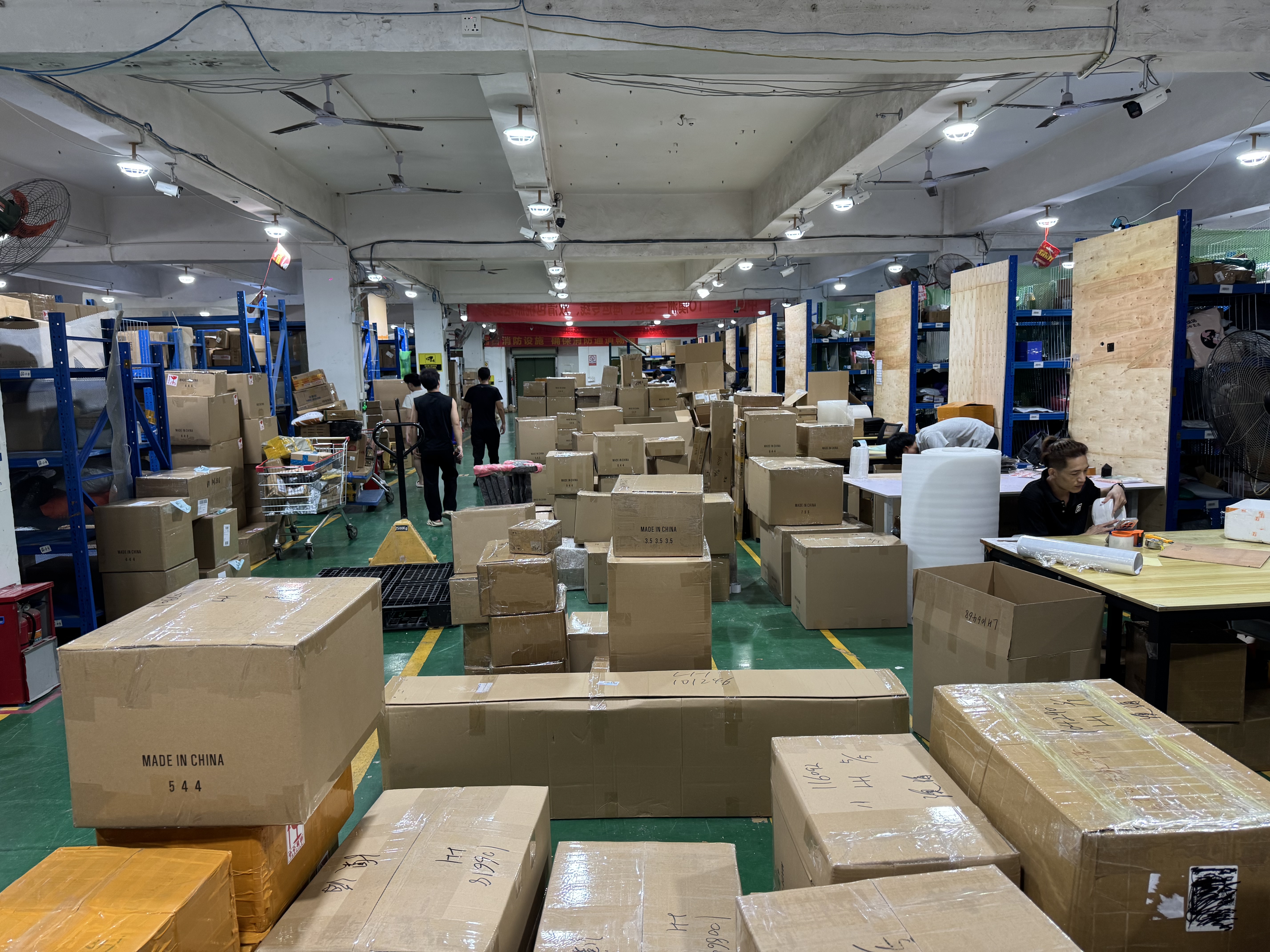
Proper Packaging
Insufficient packaging can lead to damaged goods during transit. For example, a home goods seller once shipped glassware to Melbourne in a box that was not properly padded. Many of the items arrived broken, resulting in customer complaints and returns. Use appropriate packaging materials such as bubble wrap, foam, or corrugated cardboard, depending on the nature of your products. For fragile items, add extra layers of protection.
Accurate Labeling Clear and accurate labeling is essential. Incorrect or missing labels can cause delays in customs clearance and delivery. Each parcel should have the correct shipping address, contact information, and a proper description of the contents. An apparel importer sent a shipment with misspelled recipient addresses and a vague description of the goods. The package was held up at Port of Melbourne for further verification, causing a week - long delay. Double - check all labels before sending your parcels.
IV. Hidden Costs and Fees
Duty and Tax Calculation In addition to the obvious shipping costs, you need to factor in duty and taxes. In 2026, Australia has adjusted its tax policies for e - commerce imports. Some small - value items that were previously tax - exempt may now be subject to tax. A 3C electronics seller was surprised when their customers received invoices for additional duties and taxes upon delivery. This led to negative customer feedback and some lost sales. Use online duty and tax calculators or consult with a customs broker to estimate these costs accurately.Storage and Handling Fees If your parcels are delayed in customs or warehoused due to unforeseen circumstances, you may incur storage and handling fees. For instance, a seller's shipment was held at a Sydney warehouse because of incomplete documentation. After a week, they were charged a substantial storage fee. Avoid these fees by ensuring all your documentation is in order and staying informed about the status of your shipment.
V. FAQ
Q: How can I ensure my goods comply with the new biosecurity regulations? A: Check the DAFF's official website regularly for updates. You can also work with a customs broker or a logistics provider like Shengda International Logistics. They have in - depth knowledge of the regulations and can help you with proper treatment and declaration.Q: What if I choose the wrong shipping method? A: If it's a minor issue, you may be able to re - ship the goods using a more appropriate method, but this will incur additional costs. To avoid this, do your research before making a decision. Consider the size, weight, and urgency of your shipment, as well as the reliability of the carrier.
Q: Are there any services to help me with packaging and labeling? A: Yes, many logistics companies, including Shengda International Logistics, offer value - added services such as proper packaging and accurate labeling. They ensure that your parcels are well - prepared for transit and meet all regulatory requirements.
Q: How can I avoid hidden costs? A: Be transparent about your goods' value and description. Use reliable duty and tax calculators to estimate costs. Also, work with a logistics provider that offers clear pricing and can help you avoid unexpected fees.
When shipping e - commerce parcels to Australia in 2026, keep these pitfalls in mind and take proactive steps to avoid them. By doing so, you'll ensure a smoother shipping process, happier customers, and a more profitable business.
