

I. Introduction
You're an Australian small business owner, importer, or e - commerce seller eyeing the vast Chinese market in 2026. Buying goods from China can be highly profitable, but shipping them to Australia involves many tricky parts. I've been in the cross - border logistics business for years and have dealt with all sorts of situations. Let me share some insights on how to navigate this process smoothly.
II. Key Rules and Changes in 2026
In 2026, the Australian Border Force (ABF) and the Department of Agriculture, Fisheries and Forestry (DAFF) have tightened up regulations. They're paying more attention to biosecurity, especially for goods made from animal or plant materials. For example, wooden furniture must now have a proper phytosanitary certificate to prove it's been treated against pests.
I remember a client last year who wanted to import bamboo handicrafts. They didn't know about the new biosecurity rules and the shipment was held up at Port Botany for weeks. Eventually, they had to pay extra fees for proper treatment and re - inspection.
III. Shipping Options and Their Pros and Cons
1. Air Freight
Air freight is your go - to option if you're in a hurry. It usually takes about 7 - 12 days, and you can track your shipment in real - time. It's great for small, high - value items, like 3C electronics. But it's also expensive, up to 5 - 10 times more costly than sea freight.
For instance, an electronics seller in Sydney imported some new smartphone models via air freight. They needed to get the products to the market quickly for a promotional event. The air freight ensured the phones arrived on time, but the high cost cut into their profit margin a bit.
2. Sea Freight
Sea freight is more cost - effective, especially for large volumes or heavy goods. There are two main types:
Full Container Load (FCL): Ideal for businesses with large orders. You rent an entire container, which gives you more space and security. It's commonly used by trade factories shipping bulk products. The voyage can take around 25 - 35 days.Less than Container Load (LCL): Great for small businesses or those with smaller orders. Your goods are combined with others in a container. It's more affordable, but the handling process can be a bit more complex, and there might be longer wait times at the port.
A home goods seller in Melbourne once used LCL shipping to bring in a variety of products. They found it cost - effective, but the delivery was delayed a bit because of the consolidation process and some port congestion.
IV. In - Depth Look at Container Shipping
1. Container Sizes
You can choose from different container sizes: 20GP, 40GP, and 40HQ. The 20GP is the smallest, with a capacity of about 33 cubic meters. The 40GP has around 67 cubic meters, and the 40HQ has even more space, approximately 76 cubic meters.
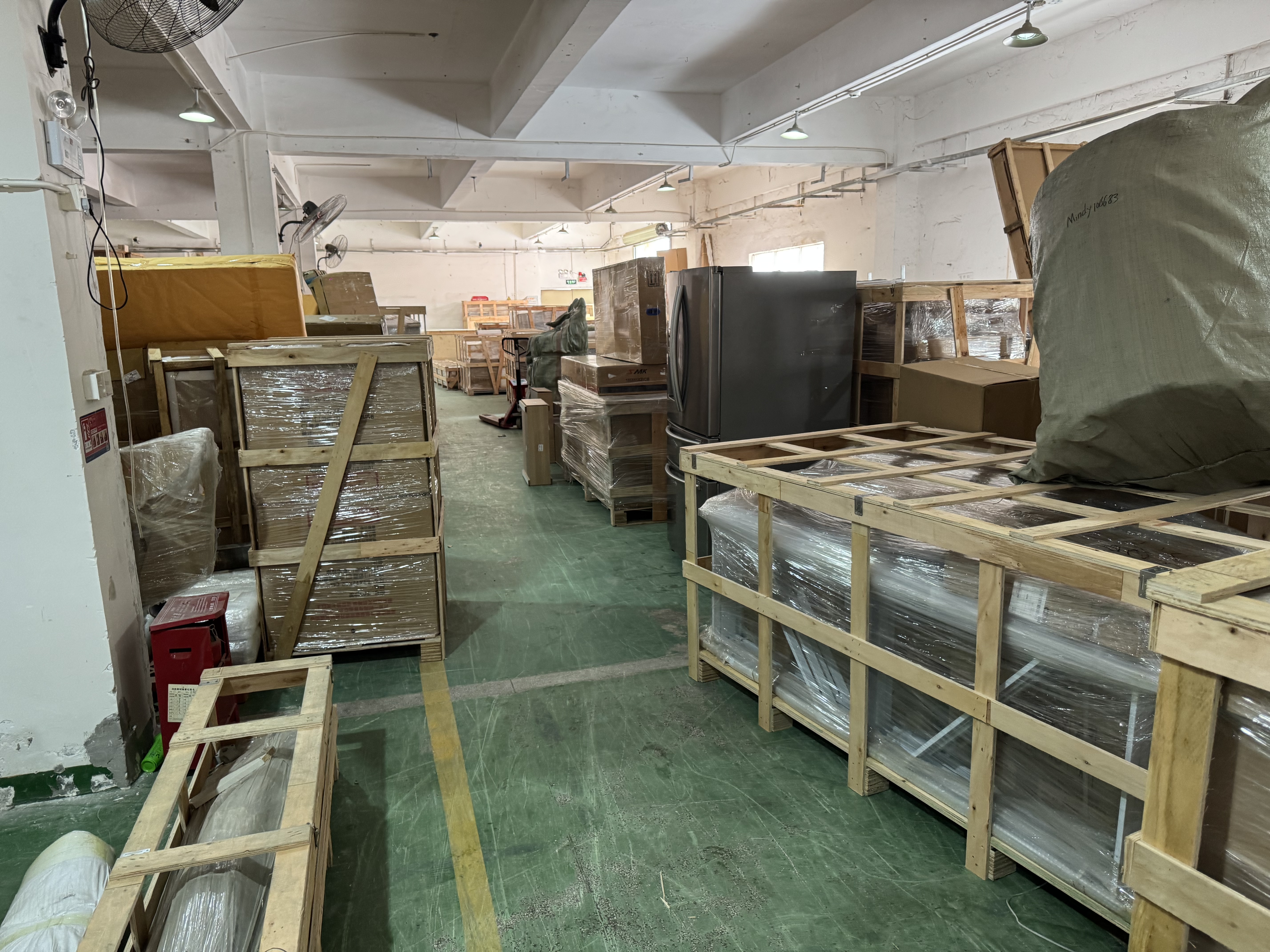
A trade factory in Brisbane that exports furniture often uses 40HQ containers to ship as many items as possible in one go, reducing the overall shipping cost per unit.
2. Loading and Unloading
Loading should be done carefully to ensure the safety of your goods. Proper packing materials, like foam and cardboard, are essential. At the destination port, you also need to arrange for quick unloading to avoid demurrage charges.
Once, I helped an apparel importer in Sydney. Their container was stuck at the Port of Melbourne for an extra week because they hadn't organized the unloading process well. They ended up paying a significant amount in demurrage fees.
V. Customs Clearance
1. Documentation
You'll need to provide the right documents for customs clearance. This includes a commercial invoice, packing list, bill of lading, and any relevant permits. Make sure all the information is accurate, especially the HS codes.
I had a client in 2024 who mis - classified a product's HS code. The customs seized the shipment, and it took a long time and a lot of effort to resolve the issue.
2. Duties and Taxes
You'll be responsible for paying duties and taxes, which depend on the type and value of your goods. DAFF may also charge for biosecurity inspections. It's a good idea to work with a customs broker who can help you understand and calculate these costs accurately.
VI. Choosing a Reliable Logistics Partner
I highly recommend considering a company like Shengda International Logistics. They focus on cross - border lines from China to Australia. They offer many value - added services for free, like package collection, inspection, and long - term storage.
One of their advantages is that they have an in - depth understanding of the local Australian Customs policies and standards. They also use their self - developed logistics system, which allows you to track your shipment at every step.
However, don't just rely on one company. You should also get quotes from different logistics providers. Compare their prices, services, and customer reviews. Check if they have experience in handling your type of goods.
VII. FAQs
What if my goods are held up at customs? Don't panic. First, find out the reason. It could be due to incorrect documentation, suspected smuggling, or biosecurity concerns. Contact a customs broker or your logistics provider immediately. They can guide you through the process, help you correct any mistakes, and arrange for the necessary inspections or paperwork. Some logistics companies like Shengda International Logistics have a team that can handle such issues efficiently.
Can I ship sensitive goods like food and cosmetics? Yes, but it's more complicated. You need to use a specialized logistics service. Shengda International Logistics has a dedicated line for sensitive goods. They have a proper compliance declaration channel, which can help you avoid risks like customs inspection and goods being seized. But you still need to ensure your goods meet the Australian biosecurity and food safety standards.
How can I save on shipping costs? If you're shipping large volumes, FCL might be more cost - effective. For smaller orders, LCL can be a good option. You can also plan your shipments in advance to avoid rush fees. Try to consolidate your orders to make full use of the container space. Some logistics companies may offer discounts for long - term partnerships or large - volume orders.
What's the typical shipping time for different methods? Air freight usually takes around 7 - 12 days. Sea freight can vary. FCL shipping might take about 25 - 35 days, while LCL can take slightly longer, around 30 - 40 days, depending on factors like port congestion and the consolidation process.
Do I need insurance for my shipment? It's highly recommended. Shipping can be unpredictable, and there's always a risk of damage, loss, or theft. You can purchase cargo insurance from an insurance company or through your logistics provider. It gives you peace of mind, especially when shipping high - value goods.
As you plan your imports from China to Australia in 2026, keep these points in mind. With the right knowledge and partners, you can make the shipping process more efficient and cost - effective.
