

I. Introduction
Moving to a new city, especially across the border to Vancouver, Canada, can be an exciting yet daunting task for many. As a professional with years of hands - on experience in cross - border logistics, I've seen numerous clients encounter various issues during their household moves. In 2026, there are specific regulations and potential pitfalls that you, as an Australian small business owner, importer, or e - commerce seller, need to be aware of. I remember a client back in 2024 who was moving a large amount of household goods to Vancouver. They underestimated the customs requirements and ended up facing significant delays and unexpected costs. So, let's dive into the key points to avoid these common pitfalls.
II. Understanding the 2026 Regulations
1. Customs and Tax Policies
The Canadian Border Services Agency (CBSA) has updated its regulations in 2026. For instance, the duty - free allowance for personal household goods has been adjusted. It's now important to accurately declare all your items. If you're moving furniture, electronics, or other high - value items, you'll need to have proper documentation of their value. This includes purchase receipts or appraisals. In one case, a client failed to provide accurate value declarations for their antique furniture. The CBSA suspected undervaluation and subjected the shipment to a detailed inspection, causing a delay of roughly 14 days.
2. Quarantine and Inspection
The Canadian Food Inspection Agency (CFIA) is strict about food and plant products. In 2026, they've tightened the rules further. If you're moving with items like plants, seeds, or homemade food products, you must comply with the CFIA guidelines. For example, bringing in fresh fruits or vegetables is generally prohibited unless you have a special permit. A client once tried to move a crate of homemade jams without the necessary permits. The entire shipment was held at the border, and some items were even destroyed, resulting in a financial loss for the client.
III. Choosing the Right Logistics Partner
1. Experience and Reputation
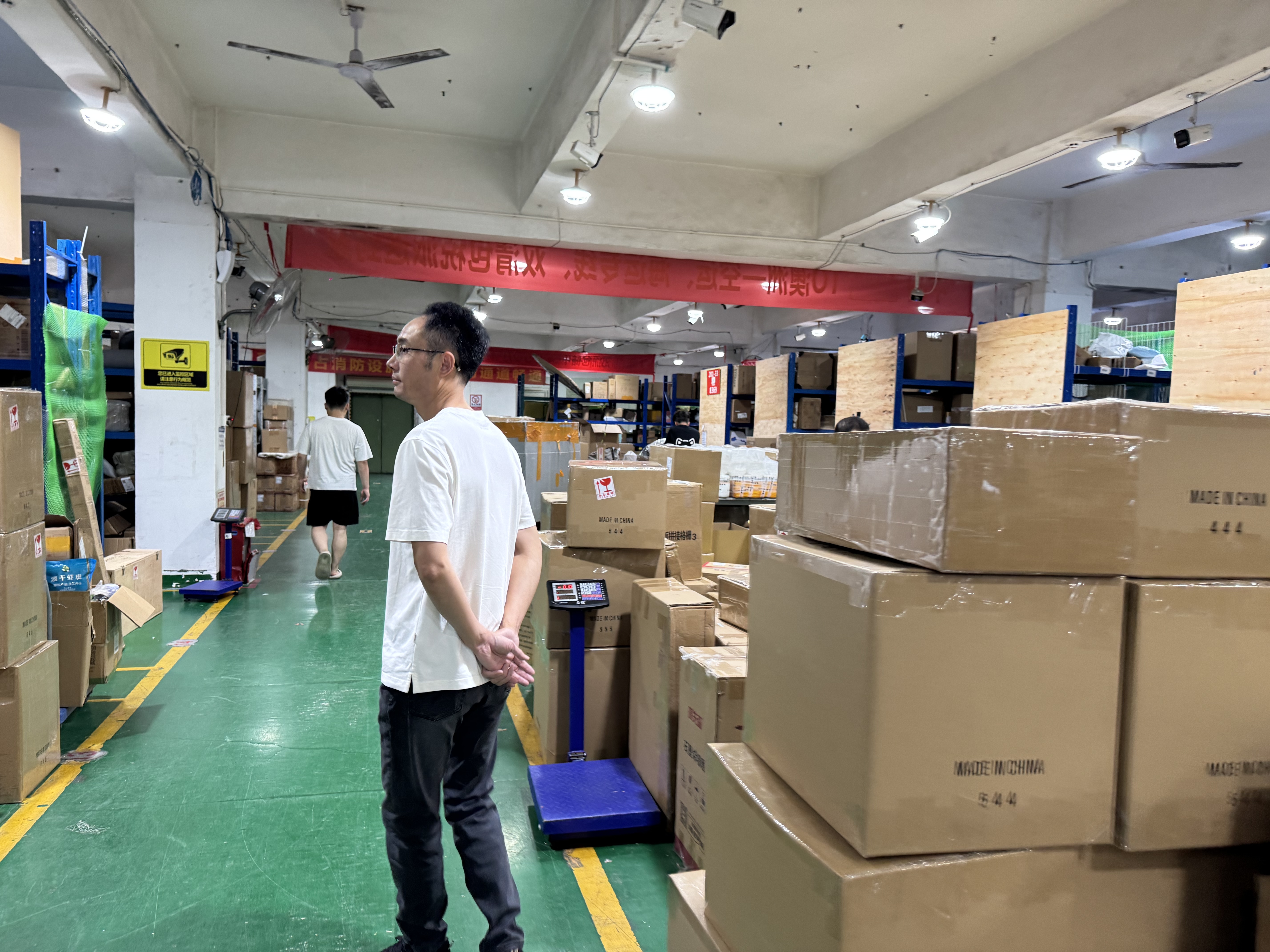
When moving your household to Vancouver, it's crucial to choose a logistics partner with experience in cross - border moves. Look for a company that has a good reputation in handling Canadian shipments. At our company, for example, we've been involved in numerous cross - border moves to Vancouver. We've dealt with various customs issues and know how to navigate through the regulations smoothly.
2. Services Offered
A comprehensive logistics partner should offer services such as packing, shipping, and customs clearance. For instance, they should be able to provide proper packing materials for fragile items like glassware and artwork. Our firm offers a full - service package that includes custom - made wooden crates for large and valuable items, ensuring their safety during transit.
IV. Packing and Labeling
1. Proper Packing
Packing your household items properly is essential to avoid damage during transit. Use high - quality packing materials such as bubble wrap, packing peanuts, and sturdy boxes. For electronics, wrap them in anti - static bags. When I first ran into this, a client packed their electronics loosely in a box without any protection. The devices were damaged during the long - distance move, and it was a costly mistake.
2. Clear Labeling
Label each box clearly with its contents and the room it belongs to in your new Vancouver home. This will make the unpacking process much easier. Also, label fragile items with appropriate stickers so that the handlers treat them with care.
V. Planning Ahead
1. Timeline
Set a realistic timeline for your move. It can take several weeks for your household goods to reach Vancouver, depending on the shipping method. Book your shipping in advance, especially during peak moving seasons. For example, if you plan to move in the summer, start making arrangements at least 3 - 4 months in advance.
2. Budgeting
Create a detailed budget for your move. Include costs for packing materials, shipping fees, customs duties, and potential storage fees. Be prepared for unexpected expenses, such as additional inspection fees if your shipment is selected for a detailed check.
VI. FAQ
Q: How can I ensure my shipment is not delayed at the Canadian border? A: Make sure you accurately declare all your items and have the necessary documentation. Work with an experienced logistics partner who can handle customs clearance efficiently. Also, stay updated on the latest regulations to avoid any last - minute surprises.Q: Can I bring my pet when moving to Vancouver? A: Yes, but there are specific requirements. You'll need to get a health certificate from a veterinarian, and the pet may need to be vaccinated against certain diseases. It's best to check with the Canadian authorities well in advance.
Q: What if my shipment is damaged during transit? A: Choose a logistics partner with a proper insurance policy and a clear claims process. At our company, we have a standard procedure for handling damaged shipments. We'll assess the damage and provide compensation according to the terms of the insurance.
Q: Are there any restrictions on bringing musical instruments to Vancouver? A: Generally, there are no major restrictions on bringing personal musical instruments. However, if it's an antique or made of certain protected materials, you may need to provide additional documentation.
Q: How do I choose between air and sea freight for my household move? A: Air freight is faster but more expensive, and it's suitable for urgent or high - value items. Sea freight is more cost - effective for large shipments of household goods but takes longer. Consider your budget and timeline when making the decision.
As you plan your household move to Vancouver in 2026, keep these key points in mind. By being well - informed and proactive, you can avoid many common pitfalls and ensure a smooth and stress - free move.
