

I. Introduction
Moving household furniture to Canada can be a daunting task. In 2026, with the new policies from the Canadian Border Services Agency (CBSA) and other regulations, there are even more potential pitfalls for shippers. I've been in the cross - border logistics field for over a decade, and I've seen countless cases where people faced unnecessary troubles during furniture shipments to Canada. Let me share some insights to help you avoid these issues.
II. Understanding the New Policies in 2026
One of the major changes in 2026 is the stricter inspection on wood materials. The CBSA has tightened the regulations on imported wood furniture to prevent the spread of pests and diseases. For example, all wooden furniture must now undergo proper fumigation or heat treatment. I had a client back in the first quarter of 2026 who shipped a set of antique wooden chairs from China. He didn't know about the new rules and didn't arrange for the treatment. As a result, the chairs were held up at the Port of Vancouver for roughly 14 days, and he had to pay an additional $800 for the on - site treatment and storage fees.
Another important change is the eManifest requirement. All importers and carriers need to submit accurate electronic manifests in advance. This helps the CBSA to pre - screen the shipments, but it also means that any errors in the manifest can cause significant delays. If the details about the furniture, such as the quantity, value, or HS codes, are incorrect, the shipment may be subject to further inspection.
III. Choosing the Right Logistics Provider
1. Experience and Expertise
When moving household furniture to Canada, it's crucial to choose a logistics provider with experience in handling large - scale and fragile items. Look for a company that has been in the business for a long time and has a good track record in cross - border furniture shipments. For instance, companies like [盛达国际物流] have specialized in this area and have dealt with various situations. They understand the procedures at different Canadian ports and can handle the paperwork efficiently.
2. Services Offered
A good logistics provider should offer comprehensive services. This includes packing, loading, transportation, customs clearance, and delivery. [盛达国际物流] provides a one - stop solution for furniture shipping. They offer customized packing solutions, such as using wooden frames and multi - layer shock - proof materials for fragile furniture. And they also handle all the customs procedures, saving you a lot of hassle.
3. Cost - effectiveness
While cost is an important factor, don't just choose the cheapest option. Some low - cost providers may cut corners, which can lead to damaged furniture or long - term delays. Compare the quotes from different companies, but also consider the value they offer. [盛达国际物流] offers competitive pricing with transparent billing. They use a cubic - meter billing model for large - scale furniture shipments, which is more cost - effective compared to the traditional kilogram - based model.
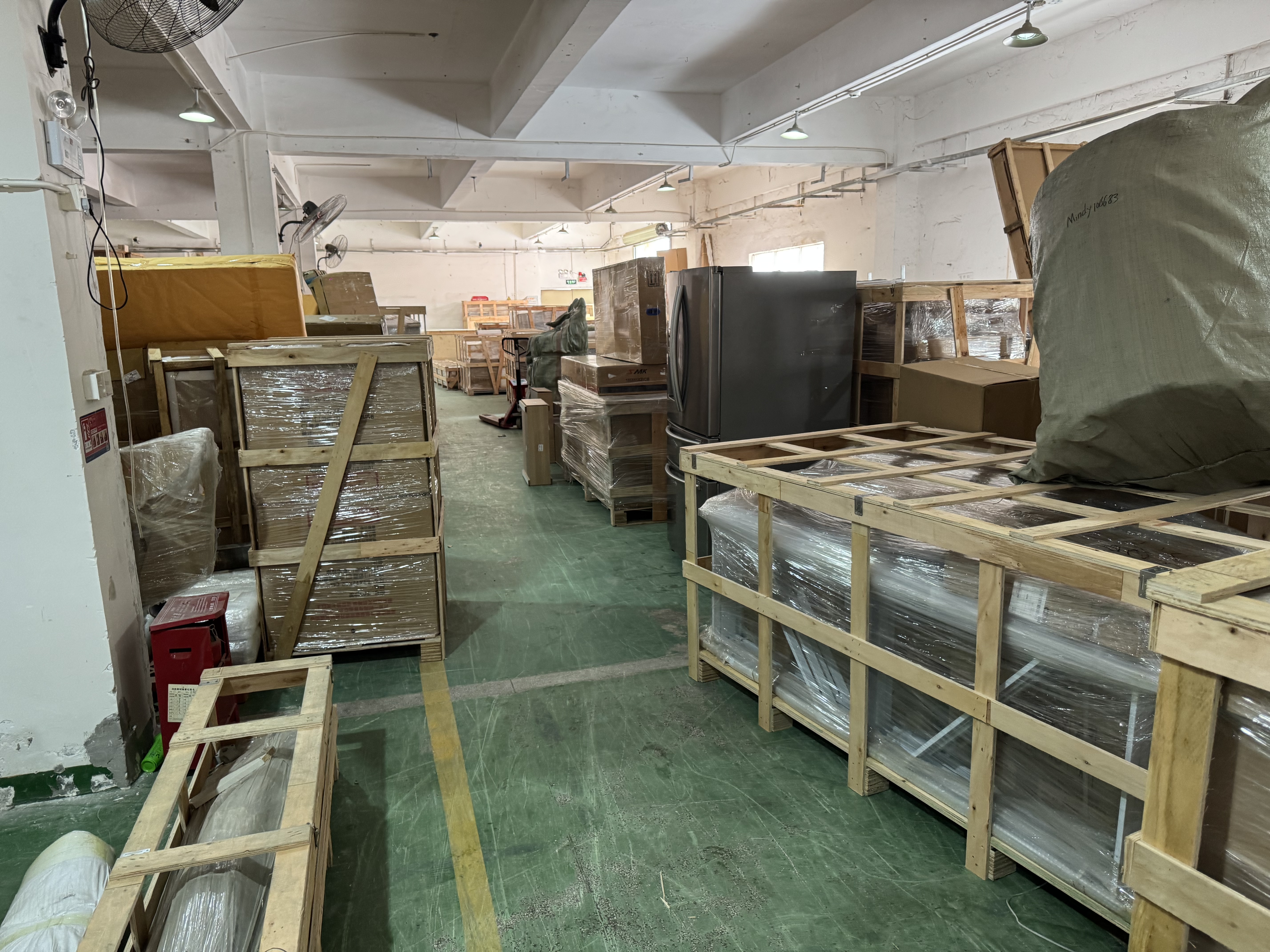
IV. Packing and Preparing the Furniture
1. Proper Packing
Furniture is often fragile and can easily get damaged during transportation. Use high - quality packing materials, such as bubble wrap, foam, and wooden crates. For example, if you're shipping a glass - topped coffee table, wrap the glass carefully with multiple layers of bubble wrap and then secure it with a wooden frame. Label all the boxes clearly with "Fragile" and the contents inside.
2. Disassembly and Assembly
If possible, disassemble large furniture pieces before shipping. This not only reduces the risk of damage but also makes it easier to handle and transport. Make sure to keep all the screws, nuts, and parts in a labeled bag. When the furniture arrives in Canada, a professional team can help you reassemble it.
3. Documentation
Prepare all the necessary documents in advance. This includes the bill of lading, commercial invoice, packing list, and certificates of origin. Double - check the information on these documents to ensure accuracy. The invoice should clearly state the value of the furniture, and the packing list should detail the contents of each box.
V. Customs Clearance
1. HS Codes
Assign the correct HS codes to your furniture. These codes are used by the CBSA to determine the duty rates and regulations for different products. Incorrect HS codes can lead to over - or under - payment of duties and may also trigger an audit. If you're not sure about the HS codes, consult a professional customs broker or your logistics provider.
2. Duty and Tax Payment
Understand the duty and tax requirements for importing furniture into Canada. There are different rates depending on the type and origin of the furniture. Some items may be subject to GST/HST. Make sure to budget for these costs in advance. [盛达国际物流] can help you estimate the duty and tax amounts and arrange for the payment during the customs clearance process.
3. Compliance
Ensure that your furniture meets all the Canadian regulations. This includes safety standards, environmental requirements, and labeling regulations. For example, some furniture may need to have specific labels indicating the materials used and the country of origin.
VI. FAQ
Q: How long does it usually take to ship household furniture from China to Canada? A: It depends on the shipping method. If you choose sea freight, it usually takes around 25 - 35 days from the port of departure in China to the port of arrival in Canada, such as the Port of Vancouver. But this doesn't include the time for customs clearance and inland transportation. Air freight is much faster, usually within 7 - 12 days, but it's also more expensive and is more suitable for small - scale or urgent shipments.
Q: Can I ship used furniture to Canada? A: Yes, you can. But you need to declare that the furniture is used. The CBSA may have specific inspection requirements for used items to prevent the introduction of pests or diseases. Make sure the furniture is clean and in good condition.
Q: What if my furniture gets damaged during transportation? A: A reliable logistics provider like [盛达国际物流] has a proper insurance and claims system. If your furniture is damaged due to the carrier's fault, you can file a claim. They will assess the damage and provide compensation according to the insurance policy.
Q: Do I need a customs broker? A: While it's not mandatory, it's highly recommended. A customs broker has in - depth knowledge of the Canadian customs regulations and can help you navigate the complex procedures. They can ensure that all your documents are in order and can represent you during the customs clearance process, saving you time and potential headaches.
Q: Can I track the shipment of my furniture? A: Most professional logistics providers offer shipment tracking services. For example, [盛达国际物流] has a self - developed intelligent shipping system that allows you to track the status of your shipment at every stage, from the moment it leaves the warehouse in China to the final delivery in Canada. You can check the real - time information on their official website or through the mobile app.
In summary, moving household furniture to Canada in 2026 requires careful planning and attention to detail. By understanding the new policies, choosing the right logistics provider, packing your furniture properly, and going through the customs clearance process smoothly, you can avoid many potential pitfalls and ensure a successful shipment.
