

I. Introduction
Hey there, Australian small business owners, importers, and e - commerce sellers! As someone with years of hands - on experience in cross - border logistics between China and Australia, I've seen a lot of issues pop up, especially when it comes to luggage shipping for students. By 2026, new policies from the Australian Border Force (ABF) and changing biosecurity regulations will make things even trickier. So, let's dive into the things you should avoid to ensure a smooth shipping process.
II. Common Pitfalls in China - Australia Luggage Shipping
1. Ignoring Biosecurity Rules
I remember a student back in 2024 who shipped a box full of homemade snacks from their hometown in China to Melbourne. Little did they know that many of these food items contained ingredients like nuts and dairy, which are restricted or prohibited under Australia's biosecurity laws. The shipment was seized at Port Botany, and the student faced heavy fines and had the items destroyed.
By 2026, the Australian Department of Agriculture, Fisheries and Forestry (DAFF) will be even stricter on biosecurity. Items like soil, plants, and certain animal products are still major no - nos. Always check the DAFF website for the latest list of restricted items. If you're unsure, it's better to leave these items behind or consult a professional logistics provider.
2. Inadequate Packaging
I once handled a shipment that was supposed to contain delicate electronics from a Chinese supplier for an Australian 3C electronics seller in Brisbane. The packaging was so poor that when the boxes arrived at the port of Melbourne, many of the items were damaged. The seller had to bear the loss as the shipping insurance didn't cover insufficient packaging.
When shipping luggage, use sturdy boxes and plenty of cushioning material. For fragile items, consider double - boxing or using specialized packaging like foam inserts. If you're shipping large items like furniture, have them properly wrapped and secured to prevent scratching and damage during transit.
3. Incorrect Documentation
A while back, I had a client who was an apparel importer. They shipped a large consignment of clothes from China to Sydney but filled out the customs declaration form incorrectly. They undervalued the goods, thinking they could save on duties. However, the ABF caught the discrepancy during the inspection. The importer had to pay hefty back - duties and faced delays in getting their goods released.
Make sure all your documentation, including the commercial invoice, packing list, and customs declaration, is accurate. Use the correct HS codes to describe your goods. Under - declaring or over - declaring the value, quantity, or type of goods can lead to significant problems.
4. Choosing the Wrong Shipping Method
There was a student who needed to ship a large amount of clothing and study materials to their new accommodation in Sydney quickly. They chose the cheapest shipping option, which was a slow sea freight service. As a result, they didn't receive their luggage until weeks after they had arrived in Australia, which was a huge inconvenience.
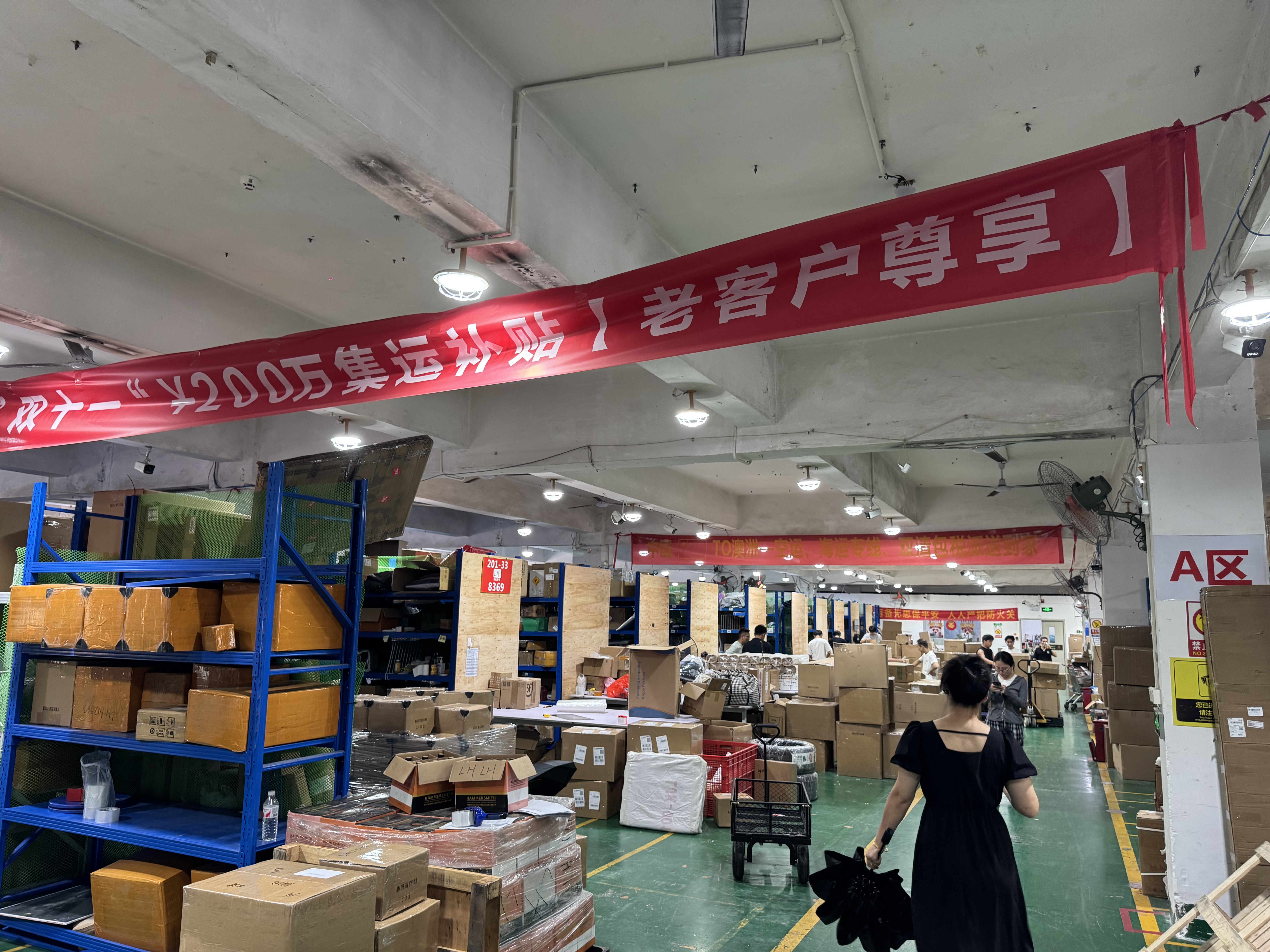
Understand the differences between air freight and sea freight. Air freight is faster but more expensive, making it suitable for urgent shipments or small, high - value items. Sea freight is slower but more cost - effective for large volumes or non - urgent items. Consider your budget, the urgency of the shipment, and the nature of the goods when choosing a shipping method.
III. Comparison of Shipping Channels and Their Advantages/Disadvantages
| Shipping Channel | Advantages | Disadvantages |
|---|---|---|
| Air Freight (e.g., Express Services) | Fast delivery (usually 7 - 12 days), suitable for urgent and small - sized items. Tracking is easier, and customs clearance is generally more efficient. | High cost, weight and size restrictions may apply. Not cost - effective for large or heavy items. |
| Sea Freight (Less - than - Container Load - LCL) | Cost - effective for large volumes. Can handle a wide range of items. | Slow transit time (usually 20 - 40 days), more complex documentation, and potential delays at ports. |
| Sea Freight (Full - Container Load - FCL) | Suitable for large - scale shipments. Goods are more secure as they are in a dedicated container. | Higher upfront cost, requires a significant volume of goods to be cost - effective. |
IV. Final Thoughts and Tips
In the landscape of China - Australia luggage shipping, especially with the upcoming 2026 policies, it's crucial to stay informed and prepared. Don't cut corners when it comes to following regulations and proper packing. If possible, work with a reliable logistics provider like [Shengda International Logistics]. They have the expertise and experience to navigate the complex world of cross - border shipping, with a focus on China - Australia routes.
V. FAQ
What if I accidentally ship a restricted item? If you accidentally ship a restricted item, contact your logistics provider or the relevant Australian authorities (like the ABF or DAFF) as soon as possible. Be honest about the situation. Depending on the nature of the item, you may face fines, have the item confiscated, or be required to arrange for its return.Can I insure my shipment? Yes, you can. Most logistics providers offer shipping insurance. It's a good idea to get insurance, especially for high - value items. However, make sure you understand the terms and conditions of the insurance, including what is covered and what isn't. For example, some policies may not cover damage caused by inadequate packaging.
How can I track my shipment? If you choose a reliable logistics provider, they usually offer a tracking service. You'll be given a tracking number, which you can use on the provider's website or app to check the status of your shipment. Some providers also integrate with international shipping tracking systems for more comprehensive tracking.
What if my shipment is delayed? Delays can happen due to various reasons like bad weather, port congestion, or customs inspections. If your shipment is delayed, contact your logistics provider. They can give you more information about the cause of the delay and an estimated time of arrival. In some cases, you may be eligible for compensation if the delay is due to the provider's negligence.
Is it necessary to use a professional logistics provider? While it's possible to handle the shipping process on your own, using a professional logistics provider can save you a lot of time, money, and hassle. They are familiar with the regulations, documentation requirements, and shipping procedures. They can also help you choose the most suitable shipping method and ensure that your goods are properly packed and handled. For example, [Shengda International Logistics] has a team of experts who can guide you through the entire process.
