

I. Introduction
Moving overseas to Australia is a significant step, especially when it involves transporting your entire household. In 2026, there have been some notable changes in the Australian customs policies and shipping regulations. I've been in the cross - border logistics business for years, and I've seen many clients face challenges during their house moves. For instance, a client in 2024 had his furniture held up at the Port of Melbourne due to improper documentation. So, let's dive into the best strategies for a smooth overseas house move to Australia this year.
II. Understanding the 2026 Australian Policies and Regulations
Customs and Biosecurity Updates In 2026, the Australian Border Force (ABF) and the Department of Agriculture, Fisheries and Forestry (DAFF) have tightened the biosecurity regulations. This is to protect Australia's unique ecosystem. For example, wooden furniture must be properly treated and certified to avoid pests and diseases. If you don't comply, your goods could be quarantined, treated at your expense, or even destroyed.The customs valuation process has also become more detailed. You need to provide accurate invoices for all your household items. Undervaluing or overvaluing your goods can lead to delays and potential fines.
Import Duties and Taxes As a new resident, you may be eligible for duty - free concessions on your personal and household effects. However, there are specific conditions. For example, the goods must have been in your possession and use overseas for at least 12 months before you move to Australia. It's crucial to understand these rules to avoid unexpected costs.
III. Choosing the Right Shipping Method (Deep - Dive Section, 40% of the Article)
Full Container Load (FCL) Advantages: If you have a large amount of household items, FCL is a great option. It offers more security as your goods are in a dedicated container. There's less handling, which reduces the risk of damage. For example, a client moving from Shanghai to Sydney with a lot of furniture and electronics found that FCL provided a more reliable and less - stressful shipping experience.You have more control over the shipping schedule. You can arrange for the container to be loaded at a time that suits you and the shipping line.
Limitations: It can be more expensive, especially if you don't have enough goods to fully occupy a container. A 20 - foot container can cost around AUD 3500 - 4500 from major Chinese ports to Australian ports, and a 40 - foot container can cost around AUD 5500 - 7000.
You need to have enough space for the container to be loaded and unloaded at both ends.
Less than Container Load (LCL) Advantages: LCL is more cost - effective if you have a small amount of goods. You only pay for the space your goods occupy in the shared container. For example, a small business owner moving some office equipment and personal items to Melbourne found LCL to be a budget - friendly option.
It's more flexible for those who don't have enough goods to fill a container. You can still get your goods shipped without having to wait for more items.
Limitations: There's a higher risk of damage as your goods are handled more frequently during the consolidation and de - consolidation processes.
The shipping time may be longer as the container needs to be filled before it can depart. It can take roughly 14 - 21 days from China to Australia compared to 10 - 16 days for FCL.
Air Freight Advantages: Air freight is the fastest option. If you have some essential items that you need urgently, such as important documents or high - value electronics, air freight can get them to Australia in 3 - 7 days.
There's less risk of damage as the handling is more streamlined.
Limitations: It's extremely expensive. The cost per kilogram for air freight can be 10 - 20 times higher than sea freight.
IV. Packing and Documentation
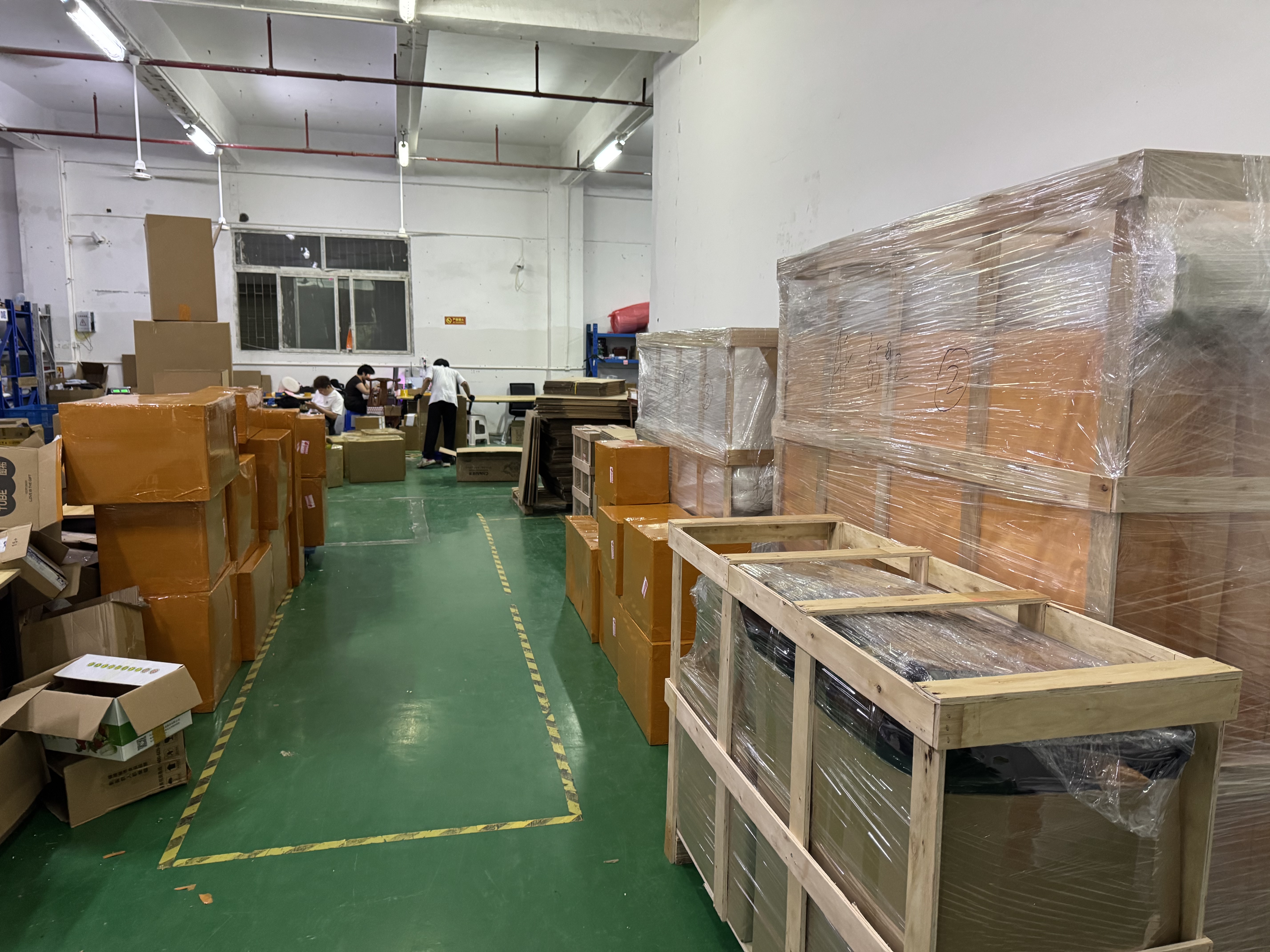
Packing Tips Use high - quality packing materials. For fragile items like glassware and electronics, use bubble wrap and foam inserts. For example, when packing a client's antique vases from Beijing to Brisbane, we used multiple layers of bubble wrap and placed them in custom - made wooden crates for extra protection.Label each box clearly with its contents and the room it belongs to. This will make unpacking much easier at your new home in Australia.
For wooden items, make sure they are properly treated and labeled according to the Australian biosecurity regulations.
Required Documentation You need to prepare a detailed inventory list of all your household items. Include the description, quantity, and value of each item. This will help with customs clearance.
Provide proof of your new residency in Australia, such as a visa or a residence permit.
If you're shipping any valuable items, like jewelry or art, you may need to provide appraisals.
V. Working with a Reliable Logistics Provider
Benefits of Using a Professional Service A professional logistics provider like Shengda International Logistics has in - depth knowledge of the 2026 Australian regulations. They can handle all the paperwork, from customs declarations to biosecurity certificates, ensuring that your goods clear customs smoothly.They have established relationships with shipping lines and airlines, which can help you get better rates and more reliable shipping schedules.
What to Look for in a Logistics Provider Check their experience in handling overseas house moves to Australia. Look for customer reviews and testimonials. For example, Shengda International Logistics has been in the business for years and has a large number of satisfied clients who have successfully moved their households to Australia.
Ensure they offer a full range of services, including packing, shipping, customs clearance, and delivery.
VI. FAQ
How long does it usually take to move my household items from China to Australia? Well, it depends on the shipping method. If you choose FCL, it can take around 10 - 16 days. LCL may take 14 - 21 days, and air freight is the fastest, taking only 3 - 7 days. But these are just estimates and can be affected by factors like weather and customs clearance.Do I need to pay customs duties on all my household items? Not necessarily. As a new resident, you may be eligible for duty - free concessions on your personal and household effects that you've owned and used overseas for at least 12 months. But you need to provide proper documentation to prove this.
What if my goods are held up at customs? If your goods are held up, it could be due to various reasons like incorrect documentation or biosecurity issues. A good logistics provider, like Shengda International Logistics, can help you resolve these issues. They'll work with the customs authorities to provide the necessary information and get your goods released as quickly as possible.
Can I ship my pets along with my household items? Shipping pets is a separate and more complex process. Australia has strict quarantine requirements for pets. You'll need to work with a specialized pet shipping service and follow all the Australian government's regulations regarding pet importation.
How can I ensure my fragile items arrive safely? Use high - quality packing materials like bubble wrap and foam inserts. Place fragile items in sturdy boxes and mark them clearly. It's also a good idea to use a logistics provider that has experience in handling fragile items. Shengda International Logistics, for example, has special packing techniques for易碎品 to minimize the risk of damage during transit.
