

I. Introduction
Hey there, Australian small business owners, importers, and e - commerce sellers! As you're probably aware, 2026 brings some new changes in cross - border logistics, especially when it comes to bulk order shipping from China to Canada. I've been in the cross - border logistics frontline for quite a while, and I've seen many businesses fall into common traps. In this article, I'll share some crucial pitfalls to avoid based on my hands - on experience.
II. Key Pitfalls and Solutions
1. Customs and Regulatory Issues
Pitfall: One of the most significant challenges is keeping up with Canada's constantly evolving customs regulations. In 2026, the Canadian Border Services Agency (CBSA) has tightened its rules, especially for certain product categories. For example, I had a 3C electronics seller client last year. They shipped a large batch of smartphones without proper documentation of the product's origin and compliance with Canadian safety standards. As a result, the shipment was held at the Port of Vancouver for roughly 14 days, incurring significant storage fees.Solution: Always stay updated on the latest customs regulations. Before shipping, consult the CBSA's official website for the most current requirements. Ensure you have all necessary documentation, such as certificates of origin, bills of lading, and product safety certificates. Consider hiring a customs broker who has in - depth knowledge of the Canadian market and can handle the customs clearance process smoothly.
2. Incorrect Shipping Method Selection
Pitfall: Choosing the wrong shipping method can lead to increased costs and delays. A home goods seller I worked with decided to use air freight for a large bulk order of furniture. They thought it would be faster, but the high volumetric weight of the furniture made the air freight extremely expensive. Moreover, since air freight has limited space for large items, there were additional handling issues, and the delivery was delayed by about a week.Solution: Analyze your shipment based on its weight, volume, and urgency. For large and less - urgent bulk orders, sea freight is usually a more cost - effective option. If time is of the essence, air freight can be considered for lighter and smaller items. And if you're shipping a small - to - medium - sized bulk order, you might explore sea - air combined shipping methods.
3. Improper Packaging
Pitfall: Poor packaging can result in damaged goods during transit. I once dealt with an apparel importer who shipped a bulk order of delicate silk blouses. The packaging was flimsy, and during the long journey from China to Toronto, many of the blouses were wrinkled and some even had tears. They had to offer discounts to their customers, which significantly impacted their profit margins.Solution: Invest in high - quality packaging materials. For fragile items, use bubble wrap, foam, or cardboard inserts. For large items, wooden crates or pallets can provide extra protection. Label the packages clearly with handling instructions, such as "Fragile" or "This Side Up".
4. Logistics Provider Selection
Pitfall: Selecting an unreliable logistics provider can cause a host of problems. A trade factory I knew hired a new logistics company without proper research. The company had a reputation for delays and poor communication. The bulk order of industrial parts they shipped was delayed multiple times, and they couldn't get timely updates on the shipment's status. This led to production delays in their Canadian factory.Solution: Do thorough research when choosing a logistics provider. Look for companies with a good track record, positive customer reviews, and experience in handling bulk orders for your specific product category. Check their service offerings, such as tracking capabilities, after - sales service, and network coverage in Canada.
III. Latest Policies in 2026
In 2026, there have been several notable changes in the cross - border shipping policies between China and Canada. The CBSA has increased the scrutiny on product safety, especially for consumer goods. They require more detailed documentation on the product's manufacturing process and compliance with Canadian safety standards. Additionally, the environmental regulations have become stricter. For example, products containing certain types of plastics or chemicals need special certification to enter Canada.
IV. Cost Management
Underestimating Costs: Many businesses underestimate the total cost of bulk order shipping. They only consider the freight cost and forget about additional fees such as customs duties, taxes, storage fees, and handling charges. For instance, a small business owner ordered a large quantity of home decor items. They were shocked to find out that the customs duties and taxes added up to almost 20% of the product's value.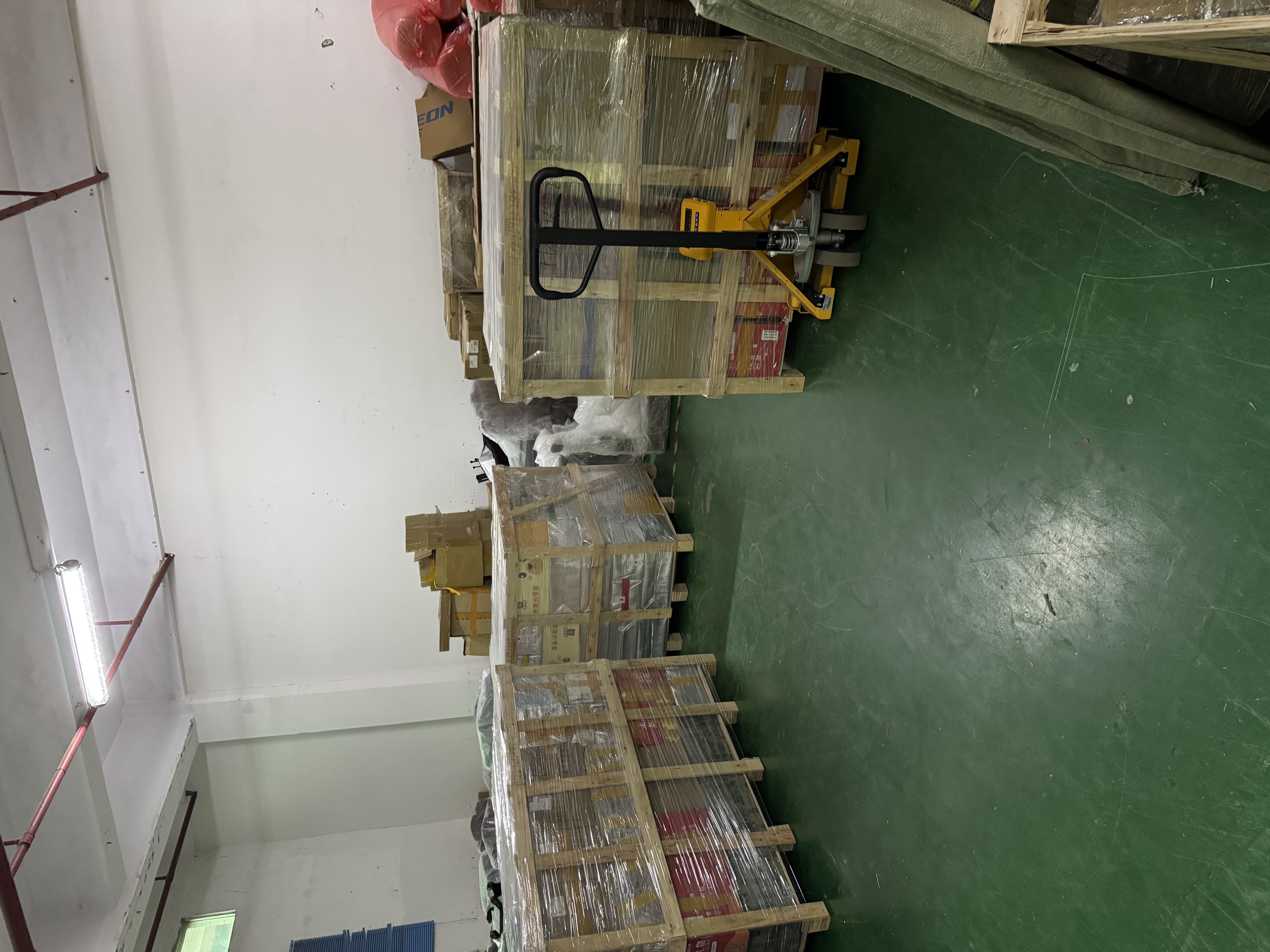
V. FAQ
Q: How can I find out the exact customs duties and taxes for my bulk order? A: You can use the CBSA's online duty calculator on their official website. Just input the details of your products, such as the HS codes, value, and quantity, and it will give you an estimate. However, keep in mind that the final amount may vary slightly depending on the actual inspection.Q: What should I do if my shipment is held at customs? A: First, contact your customs broker or logistics provider immediately. They will be able to guide you through the process. Provide them with all the necessary documentation as quickly as possible. It's also a good idea to be patient and work closely with the customs officials to resolve the issue.
Q: Can I insure my bulk order during shipping? A: Yes, you can. Most logistics providers offer cargo insurance options. It's a good idea to insure your valuable shipments to protect against loss or damage during transit. However, make sure you understand the terms and conditions of the insurance policy, such as the coverage amount and the deductible.
Q: How long does it usually take for a bulk order to reach Canada from China? A: It depends on the shipping method. Sea freight can take anywhere from 20 to 45 days, depending on the port of departure and arrival and the shipping route. Air freight is much faster, usually taking 5 to 10 days. But again, these are just estimates, and delays can occur due to various factors such as weather conditions or customs clearance issues.
Q: What is the best way to communicate with my logistics provider? A: Choose a method that is convenient and reliable for both you and the provider. Most logistics companies offer multiple channels of communication, such as email, phone, and online chat. Email is great for sending detailed information, while phone calls are better for urgent matters. Make sure you clarify the response time expectations from the beginning.
As you navigate the world of bulk order shipping from China to Canada in 2026, keep these pitfalls in mind and take proactive steps to avoid them. With careful planning and the right partners, you can ensure a smooth and cost - effective shipping process.
