

I. Introduction
In 2026, China - Canada sea shipping remains a crucial logistics channel for Canadian retailers. However, it's fraught with potential pitfalls. I've seen many retailers stumble due to unforeseen issues. For instance, a home goods seller in Vancouver once faced a huge loss because of improper documentation. Let's delve into the common mistakes and how to sidestep them.
II. Common Pitfalls in China - Canada Sea Shipping
1. Documentation Errors
Documentation is the backbone of international shipping. In my experience, incorrect or incomplete paperwork is a frequent cause of delays and fines. For example, the Harmonized System (HS) codes must be accurately declared. A 3C electronics seller in Toronto once misclassified their products, leading to a customs hold for over two weeks. The Canadian Border Services Agency (CBSA) is strict about documentation compliance, and any discrepancies can result in significant setbacks.
2. Freight Forwarder Selection
Choosing the wrong freight forwarder can be a disaster. Some forwarders may offer low rates but lack the necessary experience and resources. I had a client back in 2024 who selected a cheap forwarder for their apparel import from China to Montreal. The forwarder sub - contracted the job to multiple parties, causing the goods to get lost in transit. Eventually, the client had to bear the cost of the lost shipment and find a new logistics solution.
3. Incorrect Shipping Terms (INCOTERMS 2020)
Understanding and correctly applying INCOTERMS 2020 is vital. Many retailers misunderstand who is responsible for what at each stage of the shipping process. For example, under FOB (Free on Board), the buyer is responsible for the goods once they are loaded on the ship. But a trade factory in Calgary once assumed the seller would handle all costs until the goods reached the Canadian port, leading to a financial dispute.
4. Customs and Regulatory Compliance
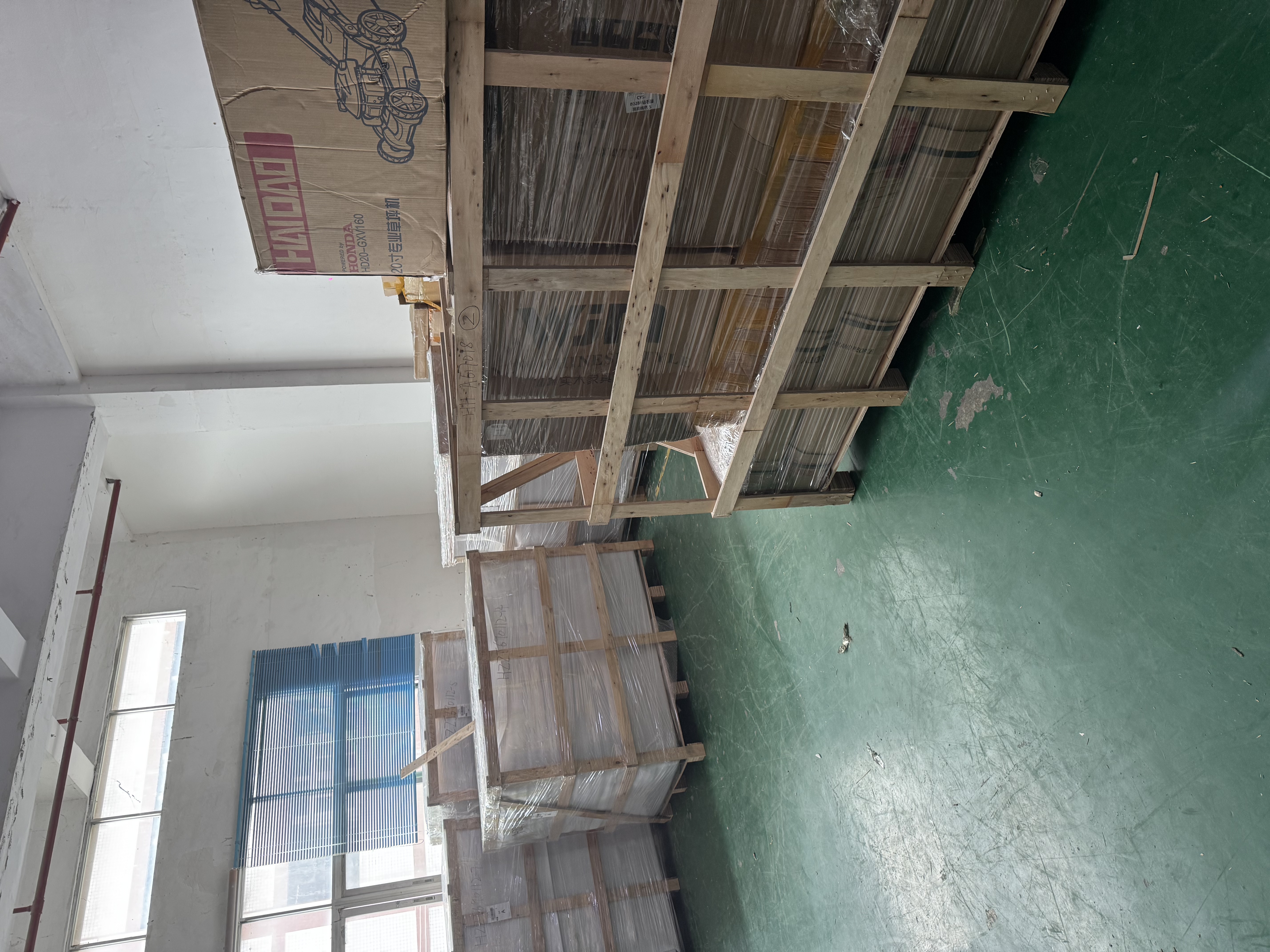
The 2026 regulations have introduced stricter customs and regulatory requirements. Food products, for example, are subject to rigorous inspections by the Canadian Food Inspection Agency (CFIA). A retailer in Vancouver tried to import a batch of Chinese snacks without proper food safety certifications. The entire shipment was seized, and the retailer faced hefty fines.
III. In - Depth Analysis: Documentation Errors
Documentation errors account for a significant portion of shipping problems, so let's take a closer look.
HS Code Misclassification: As mentioned earlier, HS codes are used to classify products for customs purposes. Each product has a specific code, and misclassifying can lead to higher duties or customs holds. For example, a simple electronic gadget might be misclassified as a more complex device, resulting in a much higher duty rate. Retailers need to ensure they use the correct HS code, which often requires research or consulting with a customs expert.Missing Documents: Some common documents required for China - Canada sea shipping include the bill of lading, commercial invoice, packing list, and certificate of origin. In one case, a home goods seller forgot to include the certificate of origin, which led to delays at the Port of Vancouver. The customs clearance process couldn't proceed without this essential document, and the retailer had to scramble to obtain it.
Inaccurate Information: If the information on the documents, such as the quantity, weight, or value of the goods, is inaccurate, it can also cause problems. A discrepancy between the commercial invoice and the actual goods can trigger a customs audit. For example, if the declared value of a shipment of electronics is significantly lower than its real value, CBSA may suspect under - valuation and initiate an investigation.
IV. How to Avoid These Pitfalls
1. Thorough Preparation
Before initiating a shipment, retailers should conduct thorough research on all the requirements, including documentation, customs regulations, and shipping terms. They can create a checklist to ensure nothing is overlooked. For example, for a trade factory importing large - scale equipment, they should check all the necessary permits and certifications well in advance.
2. Professional Assistance
Engage with experienced freight forwarders and customs brokers. A reliable freight forwarder like Shengda International Logistics has in - depth knowledge of the China - Canada shipping route. They have a 40 - member professional team with over 10 years of international shipping experience, which can handle all aspects of the shipping process, from documentation to customs clearance.
3. Regular Training
Retailers should provide regular training to their staff involved in the shipping process. This helps them stay updated on the latest regulations and best practices. For example, training on how to correctly classify products according to HS codes can reduce the risk of documentation errors.
4. Insurance
Purchasing shipping insurance is a wise move. It can provide financial protection in case of lost, damaged, or delayed shipments. A retailer importing high - value 3C electronics should definitely consider insurance to safeguard their investment.
V. FAQ
Q: How can I quickly resolve a documentation error once it's discovered? A: First, contact your freight forwarder or customs broker immediately. They have the experience to deal with such issues. Provide them with all the correct information as soon as possible. In some cases, you may need to submit an amended document. Shengda International Logistics, for example, has a dedicated team to handle document amendments efficiently.Q: What if I'm not sure which INCOTERMS to use for my shipment? A: Discuss it with your seller or freight forwarder. Consider factors such as who has better access to local resources and who is more familiar with the shipping process in each country. Shengda International Logistics can offer professional advice based on your specific situation.
Q: How can I tell if a freight forwarder is reliable? A: Check their track record, reviews from other clients, and their industry experience. A reliable forwarder should have a good understanding of the China - Canada shipping route, the necessary permits and licenses, and a professional service team. Shengda International Logistics has served hundreds of thousands of customers and has a proven track record in the industry.
Q: What should I do if my goods are seized by customs? A: Contact your customs broker right away. They will help you understand the reason for the seizure and guide you through the process of resolving the issue. Usually, you need to provide the necessary documentation and evidence to prove the legality of your goods. Shengda International Logistics can assist you in dealing with customs seizures to minimize losses.
Q: Is it necessary to get shipping insurance for every shipment? A: It depends on the value and nature of your goods. For high - value or fragile items, it's highly recommended. Shipping insurance can protect you from significant financial losses in case of unforeseen events such as accidents, theft, or natural disasters. Even for lower - value goods, it may still be worth considering to avoid unexpected costs.
