

I. Introduction
As an Australian small business owner, importer, or e - commerce seller dealing in home goods, you're likely constantly on the lookout for cost - effective shipping solutions from China. In 2026, the shipping landscape from China to Australia has seen some changes, especially with new policies from the Australian Border Force (ABF) and other regulatory updates. I've been in the cross - border logistics business for years, handling shipments between these two countries, and I've seen firsthand how these changes can impact shipping costs.
II. Factors Affecting Shipping Costs in 2026
New ABF Policies: The 2026 ABF policies aim to enhance biosecurity and streamline customs processes. For instance, stricter inspections on wooden products and other items prone to pests mean that additional treatment or certification might be required. This can add to the overall shipping cost. I had a client back in 2026 who was importing wooden furniture from China to Sydney. Due to the new biosecurity checks, the furniture had to undergo fumigation at the Chinese port before shipping, which cost an extra $300 per container.Shipping Volume and Weight: Just like in previous years, the volume and weight of your household goods play a significant role. Shipping companies usually charge based on the greater of the two measurements. For smaller shipments, air freight might be a viable option, but it's generally more expensive. For larger volumes, sea freight is more cost - effective, but it has a longer transit time.
Shipping Routes and Ports: The choice of shipping route and port can also impact costs. Ports like Port Botany in Sydney and Port of Melbourne are major entry points, but congestion at these ports can lead to additional fees. If your goods are shipped during peak seasons, you might face higher costs due to increased demand for shipping space.
III. Cost Breakdown of Different Shipping Methods
Air Freight Advantages: Air freight is incredibly fast, with an average transit time of roughly 7 - 12 days. It's suitable for urgent orders or high - value, small - sized items.Disadvantages: The cost is significantly higher, often around $5 - $10 per kilogram. Plus, there are weight and size restrictions that might limit the type of household goods you can ship.
Example: A home goods seller in Brisbane imported a batch of high - end glassware from China via air freight. The glassware weighed about 200 kilograms. The shipping cost was approximately $1500, which was quite high but necessary due to the urgent need for restocking.
Sea Freight FCL (Full Container Load): Advantages: If you have a large volume of goods that can fill a container (20GP, 40GP, or 40HQ), FCL is a cost - effective option. You have exclusive use of the container, and the cost per unit is relatively low. It also offers more security for your goods.
Disadvantages: You need to have enough goods to fill the container. If not, you'll be paying for unused space.
Cost: The cost for an FCL shipment can range from $1500 - $3500 depending on the container size and the time of the year. For example, a 20GP container from Shanghai to the Port of Melbourne might cost around $1800 in the off - peak season.
LCL (Less than Container Load): Advantages: Ideal for small businesses or importers with smaller quantities of goods. You only pay for the space your goods occupy in the container, which can save costs.
Disadvantages: The transit time is longer compared to FCL, and there might be additional handling fees at the consolidation and de - consolidation points.
Cost: The cost is usually calculated based on cubic meters. It can range from $100 - $300 per cubic meter.
| Shipping Comparison Table | Shipping Method | Transit Time | Cost Range | Suitable for |
|---|---|---|---|---|
| Air Freight | 7 - 12 days | $5 - $10 per kg | Urgent & small - sized goods | |
| FCL (Sea Freight) | 20 - 35 days | $1500 - $3500 per container | Large volume of goods | |
| LCL (Sea Freight) | 25 - 45 days | $100 - $300 per cubic meter | Small quantity of goods |
IV. Tips to Reduce Shipping Costs
Pack Smartly: Optimize your packaging to reduce the volume and weight of your shipment. For example, use flat - pack furniture whenever possible. I once worked with a trade factory that was shipping home goods to Melbourne. By switching to more efficient packaging, they were able to reduce the overall volume of their shipments by about 15%, resulting in significant cost savings.Plan Ahead: Avoid last - minute shipping, especially during peak seasons. Booking your shipment in advance can help you secure better rates.
Choose the Right Logistics Provider: A reliable logistics partner can help you navigate the complex shipping process. They can provide you with cost - saving solutions based on their experience and knowledge of the market. For example, [盛达国际物流] is a great option. They focus on cross - border lines from China to Australia and offer a variety of services. They have a deep understanding of the local logistics policies and customs standards, which can help you avoid unnecessary costs.
V. Frequently Asked Questions
Q: Are there any additional fees I should be aware of when shipping household goods from China to Australia? A: Yes, there can be additional fees. Besides the base shipping cost, you might encounter customs duties, GST, biosecurity inspection fees, and storage fees if there are delays at the port. It's important to factor these in when estimating your total costs.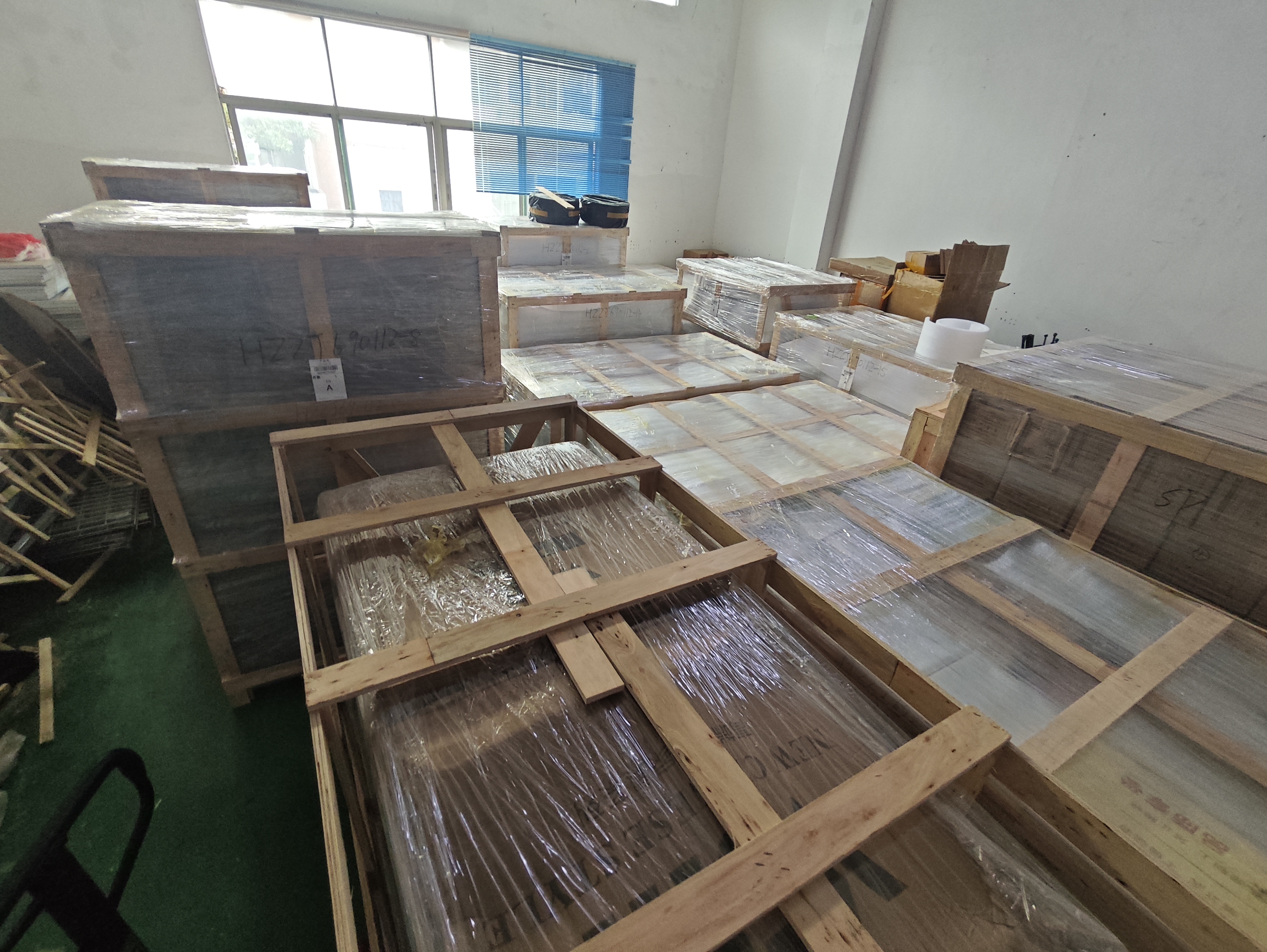
Q: How can I ensure my goods pass the ABF inspection smoothly in 2026? A: Make sure you provide accurate documentation, including the HS codes for your goods. For items like wooden products, ensure they meet the biosecurity requirements, such as having proper fumigation or heat treatment certificates. Working with a professional logistics provider like [盛达国际物流] can also help, as they are well - versed in the new ABF policies.
Q: Is it better to use air freight or sea freight for my home goods business? A: It depends on your specific needs. If you need your goods quickly or if you're shipping high - value, small - sized items, air freight is a better option. However, if you have a large volume of non - urgent goods, sea freight is more cost - effective.
Q: Can I track my shipment during transit? A: Yes, most shipping companies and logistics providers offer tracking services. For example, [盛达国际物流] has a self - developed intelligent shipping system that allows you to track your shipment in real - time from the warehouse in China to the final delivery in Australia.
Q: What if my goods are damaged during shipping? A: Look for a logistics provider with a proper claims mechanism. [盛达国际物流] has a formal claims process for damaged or lost goods. They will assess the situation and provide compensation according to the terms and conditions.
In the ever - changing world of cross - border logistics, staying informed and making smart choices can help you manage your shipping costs effectively when importing household goods from China to Australia in 2026. Always keep an eye on the latest policies and work with experienced partners to ensure a smooth shipping process.
