

I. Introduction
Shipping products from China to Australia is a common practice for many Australian small business owners, importers, and e - commerce sellers. However, there are numerous pitfalls in the process, especially with the upcoming 2026 Australian Border Force (ABF) policies updates. I've been in the cross - border logistics front - line for years, and I've seen clients get into all sorts of trouble. In this article, I'll share some common issues and how to avoid them.
II. Key Considerations and Avoidance Strategies
1. Customs Clearance Pitfalls
When shipping goods to Australia, customs clearance is a critical step. In 2026, the ABF will have stricter regulations on product declarations. I once had a client, a 3C electronics seller in Sydney. He shipped a batch of smartphones without accurate HS code declarations. The HS code determines the tariff rate and regulatory requirements for the product. Due to the incorrect declaration, the shipment was held at Port Botany for roughly 14 days. The final outcome was that he had to pay hefty fines and lost potential sales during the delay.
To avoid this, make sure you accurately classify your products using the correct HS codes. Double - check the product descriptions and values. It's also a good idea to work with a logistics provider that has in - depth knowledge of Australian customs regulations, like Shengda International Logistics. They have a team of experts who can assist with proper customs declaration, reducing the risk of delays and fines.
2. Bio - security Risks
Australia has some of the strictest bio - security regulations in the world. The Department of Agriculture, Fisheries and Forestry (DAFF) is constantly on the lookout for any potentially harmful organisms in imported goods. For example, a home goods seller in Melbourne once imported wooden furniture without proper fumigation. The shipment was quarantined at the Port of Melbourne because the wood may have carried pests or diseases. After a series of treatments and inspections, the shipment was finally released, but it cost the seller a lot of extra time and money.
If you're shipping products that may pose bio - security risks, such as wood, soil, or plants, ensure they meet the DAFF's requirements. This may involve pre - shipment treatment, like fumigation for wooden products. Always provide accurate information about the materials used in your products to the logistics provider and customs authorities.
3. Incorrect Incoterms Selection
Incoterms 2020 play a crucial role in determining the responsibilities and costs between the seller and the buyer in international trade. I've seen many e - commerce sellers get confused about which Incoterm to choose. For instance, an apparel importer in Brisbane chose FCA (Free Carrier) without fully understanding its implications. As a result, they were responsible for the goods from the moment they were delivered to the carrier at the origin in China. When the goods were damaged in transit, they had to bear the loss.
Before choosing an Incoterm, understand your responsibilities and risks. DDP (Delivered Duty Paid) might be a good option for those who want a hassle - free shipping experience. With DDP, the seller is responsible for all costs and risks until the goods are delivered to the buyer's specified location in Australia.
4. Shipping Method and Cost
Selecting the right shipping method is essential to balance cost and time. Air freight is fast but expensive, while sea freight is more cost - effective but slower. I had a client, a trade factory in Sydney, who needed to ship a large quantity of goods urgently but chose sea freight to save costs. The goods arrived too late, and they missed a major sales season.
Evaluate your shipping needs carefully. If you need urgent delivery, air freight might be the best choice. For large - volume and non - urgent shipments, sea freight is usually more suitable. Look for a logistics provider that can offer you a cost - effective solution, like Shengda International Logistics. They can provide a breakdown of costs, including shipping fees, customs duties, and other charges, so you can make an informed decision.
III. Benefits of Working with a Professional Logistics Provider
1. Expertise and Experience
Professional logistics providers, such as Shengda International Logistics, have years of experience in the China - Australia shipping route. They understand the complexities of customs clearance, bio - security regulations, and Incoterms. Their expertise can help you avoid many common mistakes and ensure a smooth shipping process.
2. Value - added Services
Many logistics providers offer a range of value - added services. Shengda International Logistics provides full - set free value - added services, such as package collection from all platforms, in - warehouse inspection and photo - taking, free unpacking and repackaging to streamline the package, 365 - day long - term free storage, and special shock - proof packaging for fragile items. These services can save you time and money.
3. Customized Solutions
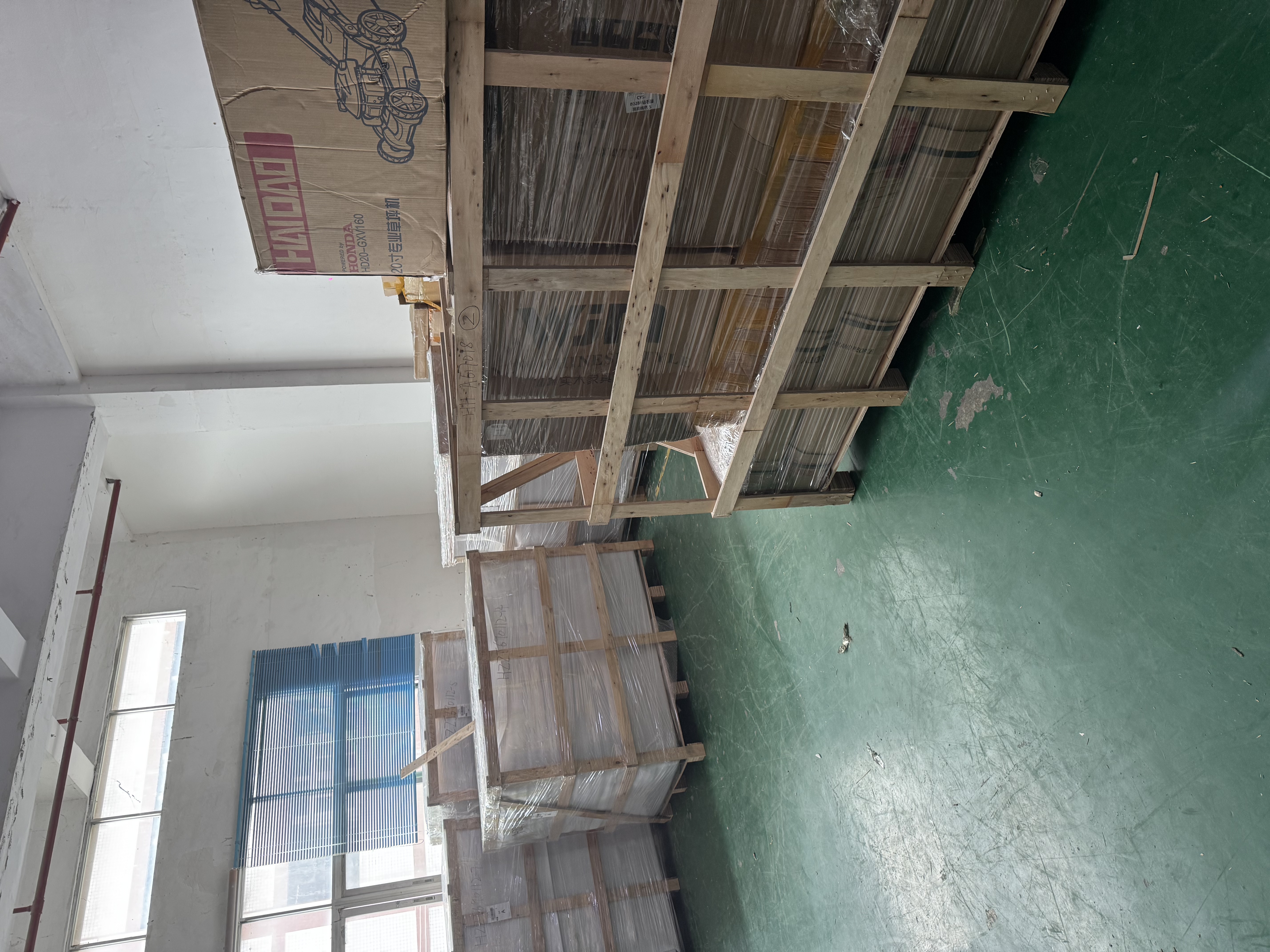
Different businesses have different shipping needs. Professional logistics providers can offer customized solutions based on your specific requirements. Whether you're shipping small items, large furniture, or sensitive goods, they can tailor a shipping plan to suit your needs.
IV. FAQ
Q: How can I ensure my shipment complies with the 2026 ABF policies? A: Work with a knowledgeable logistics provider. They can keep you updated on the latest policy changes, help you accurately classify your products, and fill out the necessary customs declarations. For example, Shengda International Logistics has a team that closely monitors ABF policy updates.Q: What should I do if my shipment is held at customs due to incorrect declarations? A: First, contact your logistics provider immediately. They can guide you through the process of correcting the declarations. You may need to provide additional documentation or pay any outstanding fees. It's important to act quickly to minimize the delay.
Q: Can I ship sensitive goods to Australia? A: Yes, but you need to use a special channel. Shengda International Logistics has a dedicated compliant declaration channel for transporting sensitive goods like food, cosmetics, and charged products. However, make sure the goods are compliant and follow all relevant regulations.
Q: How do I choose between air freight and sea freight? A: Consider the urgency of your shipment and the volume of goods. If you need the goods quickly and the volume is small, air freight is a good option. For large - volume and non - urgent shipments, sea freight is more cost - effective. You can also consult your logistics provider, who can analyze your situation and give you advice.
Q: What are the potential additional costs in the shipping process? A: Additional costs may include customs duties, taxes, storage fees if the goods are held at customs, and bio - security treatment fees for certain products. A professional logistics provider will provide you with a detailed cost breakdown before the shipment, so you can be prepared.
Shipping goods from China to Australia has its challenges, but with proper knowledge and the right logistics partner, you can avoid many common pitfalls and ensure a successful shipping experience. Keep these points in mind as you plan your future shipments, and stay informed about the changing regulations.
