

I. Introduction
Moving to Canada from overseas is an exciting adventure, but it's also fraught with potential pitfalls, especially when it comes to logistics. With the 2026 Canada border policies making things a bit more complex, it's crucial to be well - informed. I've seen many clients make costly mistakes during their overseas relocations to Canada over the years. Let me share some insights to help you avoid these common blunders.
II. Challenges in Overseas Relocation to Canada in 2026
New Customs Regulations In 2026, the Canadian Border Services Agency (CBSA) has tightened up a lot. For example, the rules for declaring personal items have changed. You now have to provide more detailed information about the value, origin, and condition of each item. If you don't do it right, your shipment might get held up at customs. A client of mine, an apparel importer from Vancouver, didn't declare the true value of some high - end clothing items. The CBSA seized the goods, and it took him weeks and a hefty fine to get them released.Increased Security Checks Security has become a top priority. All shipments are subject to more thorough inspections, including x - ray scans and manual checks. This can cause significant delays. A trade factory exporting home goods to Toronto once had their shipment delayed by roughly 14 days because of a security check. They didn't expect this and had already promised their Canadian customers a delivery date, which led to a lot of dissatisfaction.
Supply Chain Disruptions The global supply chain still hasn't fully recovered from previous disruptions, and in 2026, it's causing problems for overseas relocations to Canada. There might be shortages of shipping containers, and freight rates are volatile. A 3C electronics seller in Montreal once had to pay almost 30% more for shipping than they had budgeted because of a sudden spike in container costs.
III. How to Avoid Common Pitfalls
Understand Customs Requirements Research and Documentation: Spend time researching the new CBSA regulations. Make a detailed list of all your items, and accurately calculate their values. Use the correct HS codes for each item to avoid any confusion. For example, if you're moving furniture, you need to know the specific HS code for each type of furniture piece. I once helped a client who was moving a lot of antique furniture. By correctly classifying and declaring these items, we managed to avoid any customs issues.Seek Professional Help: Consider hiring a customs broker. They have in - depth knowledge of the regulations and can handle all the paperwork for you. A good customs broker can save you a lot of time and trouble.
Plan for Security Checks Packing and Labeling: Pack your items neatly and label them clearly. Organize your belongings in a way that makes it easy for security officials to inspect. For example, if you're shipping a box of books, don't also mix in other random items. Keep it organized. If your items are well - presented, the inspection process might go more smoothly.
Build in Extra Time: Since security checks can cause delays, add a few extra days to your estimated shipping time. This way, you won't be in a panic if there are hold - ups.
Navigate Supply Chain Disruptions Book in Advance: If you know the approximate time of your relocation, book your shipping services as early as possible. This can help you secure a container at a more reasonable price. A home goods seller I worked with booked their shipping container three months in advance, and they were able to avoid the high - cost rush.
Diversify Shipping Options: Don't rely on just one shipping method. Look into different carriers and shipping routes. For example, if one carrier is experiencing a lot of delays, you might have an alternative option.
IV. Choosing the Right Logistics Partner
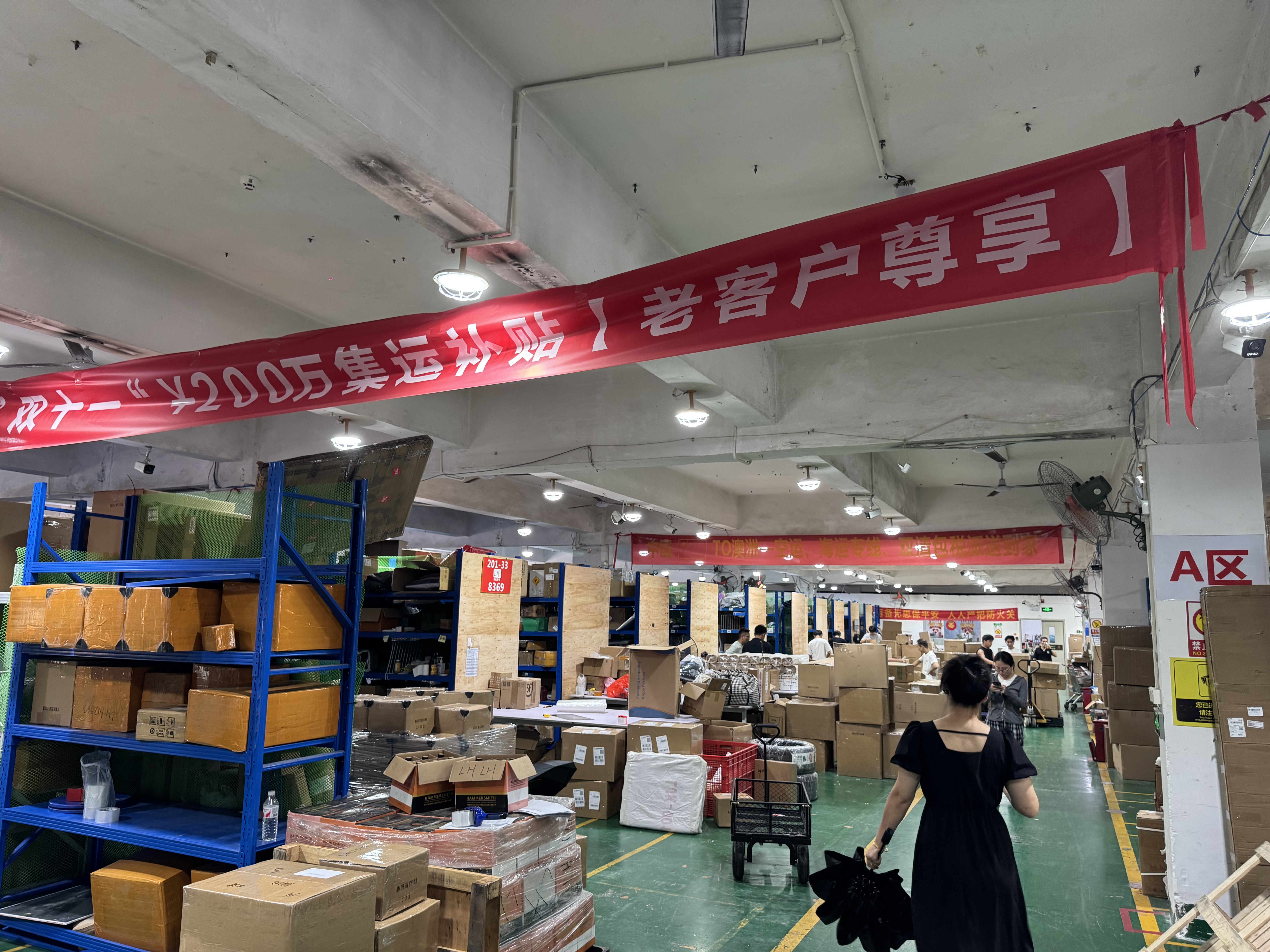
Experience and Reputation
Look for a logistics provider that has experience in overseas relocations to Canada. Check online reviews and ask for references. I once had a client who chose a new and untested logistics company. The company didn't have the proper connections in Canada, and the client's shipment got lost for several weeks. In contrast, companies like [Shengda International Logistics] have a proven track record of handling such shipments smoothly.
Service Offerings A good logistics partner should offer a comprehensive range of services. This includes customs clearance, shipping, and delivery. For example, [Shengda International Logistics] offers services like exporting large - scale furniture and household items for international migration, with a cubic - meter billing model, which can effectively reduce transportation costs.
Communication and Support Effective communication is key. You need a logistics provider that can keep you informed about the status of your shipment. Make sure they have a responsive customer service team that can address your concerns promptly.
V. FAQ
Q: How long does it usually take for a shipment to reach Canada from overseas in 2026? A: It depends on various factors like the shipping method and the origin of the shipment. Generally, air freight can take about 7 - 12 days, while sea freight for a full - container load might take around 30 - 40 days. However, with the new security checks and supply chain issues in 2026, you should add a few extra days to these estimates.Q: Do I need to pay taxes on all the items I'm moving to Canada? A: Not necessarily. There are some exemptions for personal items that you've owned and used for a certain period. But you still need to declare all your items correctly. If the CBSA determines that some items are for commercial use or are over the exemption limits, you'll have to pay applicable taxes and duties.
Q: Can I ship my pets to Canada along with my household goods? A: Shipping pets has its own set of regulations. You need to meet the requirements of the Canadian Food Inspection Agency (CFIA), including proper vaccination records and health certificates. It's best to work with a specialized pet shipping service or consult your logistics provider for guidance.
Q: What if my shipment gets damaged during transit? A: Reputable logistics providers have a claims process for damaged or lost shipments. [Shengda International Logistics], for example, has a standardized compensation mechanism for damaged and lost items. Make sure to document the condition of your items before shipping and report any damages immediately upon receipt.
Q: Can I change my shipping address after the shipment has left? A: It can be difficult and might incur additional fees. Once the shipment is in transit, changing the address involves a lot of coordination, especially with customs and delivery services. It's best to provide the correct address right from the start.
In your overseas relocation to Canada in 2026, being well - prepared is the key to a smooth and hassle - free process. By understanding the challenges, taking proactive measures, and choosing the right partners, you can avoid those common pitfalls and start your new life in Canada on the right foot.
