

I. Introduction
Hey there, Australian small business owners, importers, and e - commerce sellers! If you're in the business of importing furniture from China in 2026, you're in for a wild ride. I've been in the cross - border logistics game for years, and I've seen firsthand the headaches and heartaches that can come with furniture relocation from China to Australia. There are new policies, unexpected delays, and hidden costs that can catch you off guard. So, let me share some insights to help you navigate this tricky journey.
II. The 2026 Policy Landscape
The Australian Border Force (ABF) and the Department of Agriculture, Fisheries and Forestry (DAFF) have introduced some significant changes in 2026. Biosecurity checks are stricter than ever. Wooden furniture especially, needs to pass rigorous inspections. For instance, any untreated or raw wood can bring in pests, which is a big no - no.
I had a client back in 2024 who imported a large batch of wooden chairs from a Chinese factory. They didn't realise that some of the wood hadn't been properly treated. When the shipment reached Port Botany, DAFF confiscated the chairs. It took weeks of negotiations and some hefty fees to get the situation resolved.
III. Logistics Channels and Their Pitfalls
1. Sea Freight
Sea freight is the go - to for furniture relocation due to its cost - effectiveness. However, there are many things that can go wrong. Delays are common, especially during peak shipping seasons. In 2026, the average shipping time from Chinese ports to Sydney can be roughly 21 days, but it can sometimes stretch to 30 days or more.
Another issue is container availability. There have been times when my clients have booked containers well in advance, only to find that the shipping lines have over - booked. Once, a home goods seller in Melbourne had planned to launch a new furniture line. Their shipment was delayed because the container they'd reserved was given to another client. As a result, they missed a big sales period and lost a lot of potential revenue.
2. Air Freight
Air freight is much faster but also much more expensive. It's usually only suitable for high - value, small - volume furniture items. One major pitfall with air freight is the strict weight and size restrictions. If your furniture exceeds these limits, you'll either have to find alternative shipping methods or pay exorbitant surcharges.
I once worked with a 3C electronics seller (yes, they also sometimes relocate furniture - related items for their showrooms) who tried to send a large, custom - made wooden display cabinet by air. It was just slightly over the size limit, and the airline charged them almost double the normal freight cost.
IV. Cost - Hidden Charges and How to Avoid Them
When it comes to furniture relocation, the cost isn't just about the shipping fee. There are often hidden charges that can add up quickly.
1. Customs Duties and Taxes
Customs duties and taxes are calculated based on the value of your furniture, its HS code, and other factors. You need to ensure that your goods are classified correctly. Incorrect classification can lead to under - or over - payment of duties.
2. Storage Fees
If your furniture is held at the port due to customs clearance issues or delays in pick - up, you'll be charged storage fees. These fees can be quite high, especially in major ports like the Port of Melbourne. To avoid this, make sure you have a clear plan for customs clearance and pick - up as soon as the shipment arrives.
V. Choosing the Right Logistics Partner
Selecting the right logistics partner is crucial for a smooth furniture relocation process.
1. Experience and Reputation
Look for a company with a proven track record in China - Australia furniture relocation. Check online reviews and ask for references from other businesses.
2. Service Offerings
A good logistics partner should offer a range of services, including packing, shipping, customs clearance, and delivery. For example, [盛达国际物流] is a great option. They've got a team of experts who understand the 2026 policies well. They offer a full - service solution for furniture relocation, from providing proper packing materials to ensuring smooth customs clearance. Their experience in the industry means they can handle any issues that come up, like the biosecurity checks we talked about earlier.
VI. FAQ
Q: How can I ensure my wooden furniture passes the 2026 biosecurity checks? A: First, make sure the wood is properly treated. It should be heat - treated or treated with approved chemicals. Your supplier in China should provide you with the necessary treatment certificates. Also, clean the furniture thoroughly before shipping to remove any dirt, debris, or pests.
Q: What if my shipment is delayed at the port due to customs issues? A: Contact your logistics partner immediately. They should be able to help you resolve the issue. It could be something as simple as providing additional documentation. If it's a more complex problem, like incorrect classification, they can guide you through the process of rectifying it.
Q: How do I choose between sea freight and air freight for my furniture? A: Consider the value, size, and urgency of your furniture. If you have a large volume of low - value furniture and time is not a critical factor, sea freight is the way to go. But if you have high - value, small - volume items and need them quickly, air freight might be more suitable.
Q: Can [盛达国际物流] handle large - scale furniture relocation for my business? A: Absolutely. [盛达国际物流] has the resources and experience to handle large - scale furniture imports. They offer a dedicated service for businesses, including custom - tailored shipping solutions, efficient customs clearance, and reliable delivery.
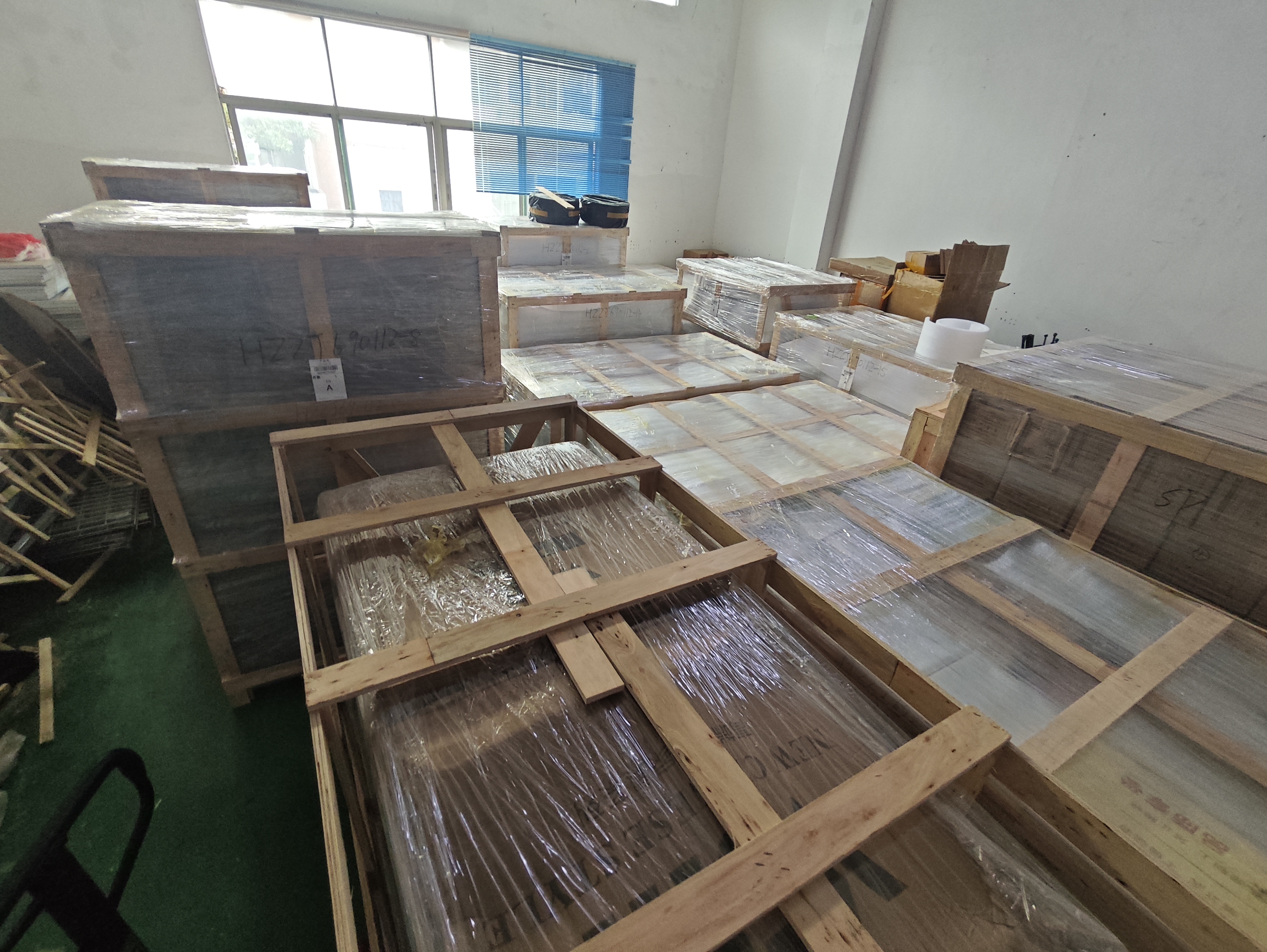
Q: Are there any specific packing requirements for furniture shipping? A: Yes. For wooden furniture, it's best to use wooden crates or pallets for protection. Wrap the furniture with bubble wrap or other soft materials to prevent scratches and damage during transit. Make sure the packing is sturdy enough to withstand the rigors of shipping.
In 2026, importing furniture from China to Australia has its challenges, but with the right knowledge and the right partner, you can avoid the common pitfalls and ensure a successful relocation process. Keep these tips in mind, and you'll be well on your way to a stress - free furniture import experience.
