

1. Introduction
Hey there, Australian small business owners, importers, and e - commerce sellers! If you're in the business of importing furniture from China to Toronto in 2026, you're in the right place. I've been in the cross - border logistics game for quite a while, and I've seen both the smooth sailings and the rough waters of furniture shipping.
I once had a client, a home goods seller in Toronto, who was importing a large batch of fine Chinese furniture. They thought it would be a straightforward process, but they quickly ran into a series of problems that cost them time and money. That's when I stepped in and helped them navigate through the complexities. In this article, I'll share some best practices based on my hands - on experience to make your furniture shipping as seamless as possible.
2. Understanding the 2026 Regulations
The Canadian Border Services Agency (CBSA) and other relevant authorities have introduced some new regulations in 2026. The CBSA now has stricter rules regarding the origin of materials in furniture. For instance, if your furniture has any wooden components, you need to make sure the wood comes from sustainable sources and is properly documented. Failing to comply with these regulations can lead to your shipment being held at customs.
There's also an update on the eManifest system. You must submit accurate and detailed information about the furniture shipment, including the quantity, value, and description, at least 24 hours before the goods arrive at the Canadian border. This helps the customs authorities to conduct pre - arrival risk assessments.
3. Choosing the Right Shipping Method
Ocean Freight: Ocean freight is often the most cost - effective option for large - scale furniture imports. For example, if you're shipping around 30 pieces of large dining sets, it makes more sense to go for a 20GP container. The transit time from a major Chinese port like Shanghai to the Port of Vancouver is roughly 14 days, and then it takes about another 3 - 5 days to transport the goods from Vancouver to Toronto by rail or truck.However, one of the limitations of ocean freight is its longer transit time. If you have a tight deadline, this might not be the best option. There's also a risk of delays due to adverse weather conditions, port congestion, or mechanical issues with the vessel.
Air Freight: Air freight is the fastest option. It can get your furniture to Toronto in as little as 3 - 5 days. This is ideal for high - value, low - volume furniture or when you need to restock your inventory urgently.
But the cost is significantly higher. Air freight can cost up to 5 - 10 times more than ocean freight for the same volume of goods. So, it's not very economical for large - scale shipments.
4. Packaging and Preparation
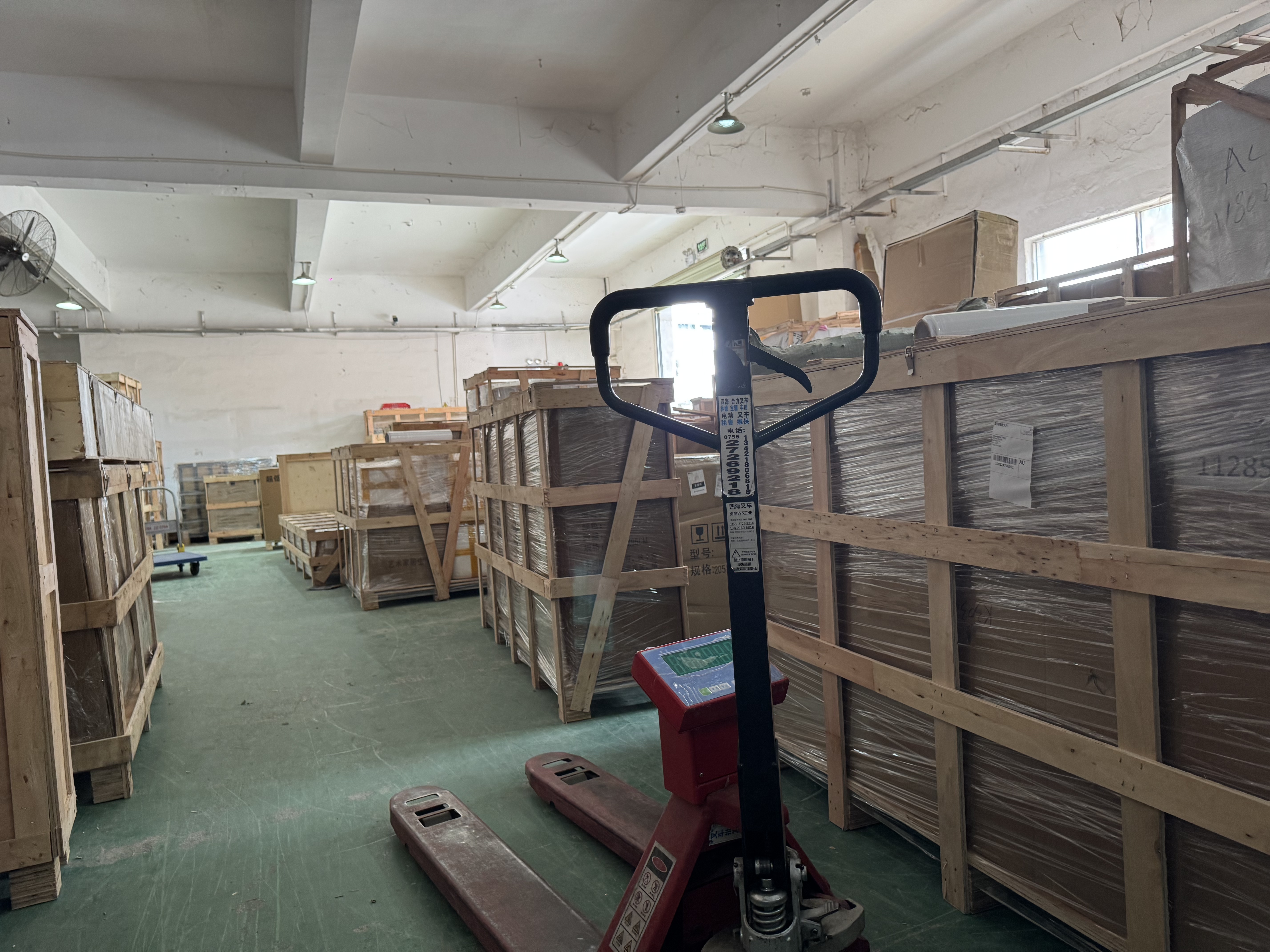
Proper packaging is crucial. For wooden furniture, it's recommended to use a combination of bubble wrap, foam sheets, and wooden crates. I remember a time when I was handling a shipment of antique Chinese chairs. The client didn't pay much attention to packaging, and when the chairs arrived in Toronto, some of the intricate carvings were damaged.If your furniture has glass components, use extra - thick bubble wrap and corner protectors. Make sure the glass is well - secured within the frame to prevent it from shifting during transit.
For larger pieces like wardrobes or sofas, consider disassembling them if possible. This not only makes the shipping more convenient but also reduces the risk of damage.
5. Selecting a Reliable Logistics Provider
Experience: Look for a logistics provider with a proven track record in shipping furniture from China to Canada. A company like Shengda International Logistics has been in the industry for a long time and has a specialized team for handling furniture shipments.Customs Clearance Capability: The logistics provider should be well - versed in the 2026 Canadian customs regulations. They should be able to handle all the paperwork, including the eManifest submission, and ensure a smooth customs clearance process.
6. Insurance
Don't overlook the importance of insurance. Furniture can be easily damaged during transit, especially when it involves long - distance shipping. You should purchase cargo insurance to protect your investment. The insurance company will cover the cost of repair or replacement in case of any damage or loss.
7. FAQ
Q: What if my furniture shipment is delayed at customs? A: Delays at customs can happen due to various reasons, such as incomplete documentation or random inspections. If this occurs, your logistics provider should be able to work with the customs authorities to resolve the issue as quickly as possible. For example, Shengda International Logistics has a local team in Canada that can communicate directly with the CBSA to expedite the process.Q: Can I ship used furniture from China to Toronto? A: Yes, you can, but there are some additional requirements. The used furniture must be clean and free of pests. You may also need to provide proof of the origin and age of the furniture. The CBSA may conduct a more thorough inspection of used furniture to ensure it meets the health and safety standards.
Q: How do I know if my furniture packaging is sufficient? A: A good rule of thumb is to make sure the furniture is well - protected from all sides. You can consult with your logistics provider. They have experience in shipping furniture and can give you advice on the appropriate packaging materials and methods. For example, if you're shipping a solid - wood table, they might recommend using a wooden crate with shock - absorbing materials inside.
Q: What are the costs involved in furniture shipping from China to Toronto? A: The costs include shipping fees (which depend on the shipping method and volume of goods), customs duties, taxes, and insurance. The shipping fees for ocean freight can range from $1,000 - $3,000 for a 20GP container, while air freight can cost $5 - $10 per kilogram. Customs duties and taxes vary depending on the type and value of the furniture.
Q: Can I track my furniture shipment? A: Most reliable logistics providers offer a tracking system. For example, Shengda International Logistics has a self - developed intelligent shipping system that allows you to check the status of your shipment at any time. You can see when the furniture leaves the warehouse in China, when it arrives at the port, and when it's out for delivery in Toronto.
In 2026, shipping furniture from China to Toronto requires careful planning and attention to detail. By following these best practices, you can minimize the risks and ensure a successful and cost - effective shipping process.
