

I. Introduction
Shipping personal bags to Australia in 2026 can be a tricky business. I've seen many small business owners, importers, and e - commerce sellers run into all sorts of problems. Just last year, I had a client who was an apparel importer in Sydney. He shipped a batch of personal sample bags from China, and they got stuck at the Port Botany for weeks due to some paperwork issues. This kind of situation can cost you time and money, so it's crucial to know how to avoid these pitfalls.
II. Understanding the New 2026 Policies
The Australian Border Force (ABF) and the Department of Agriculture, Fisheries and Forestry (DAFF) have introduced some new policies in 2026 to enhance biosecurity and proper revenue collection.
Biosecurity Regulations DAFF has tightened the rules regarding organic materials, food items, and plant products. For instance, if you have a bag with wooden accessories or some homemade snacks, you need to declare them accurately. I once handled a shipment from a home goods seller in Melbourne. They had some hand - carved wooden coasters in their personal bags, but they didn't declare them. As a result, the entire shipment was quarantined for almost 14 days, with a hefty inspection fee of around AUD 500.Customs Valuation The ABF has a more strict approach to customs valuation. You must provide accurate invoices for the items in your personal bags. False declarations can lead to fines and even seizure of the goods. If you're shipping high - value 3C electronics, make sure to have all the purchase receipts ready.
III. Choosing the Right Shipping Method
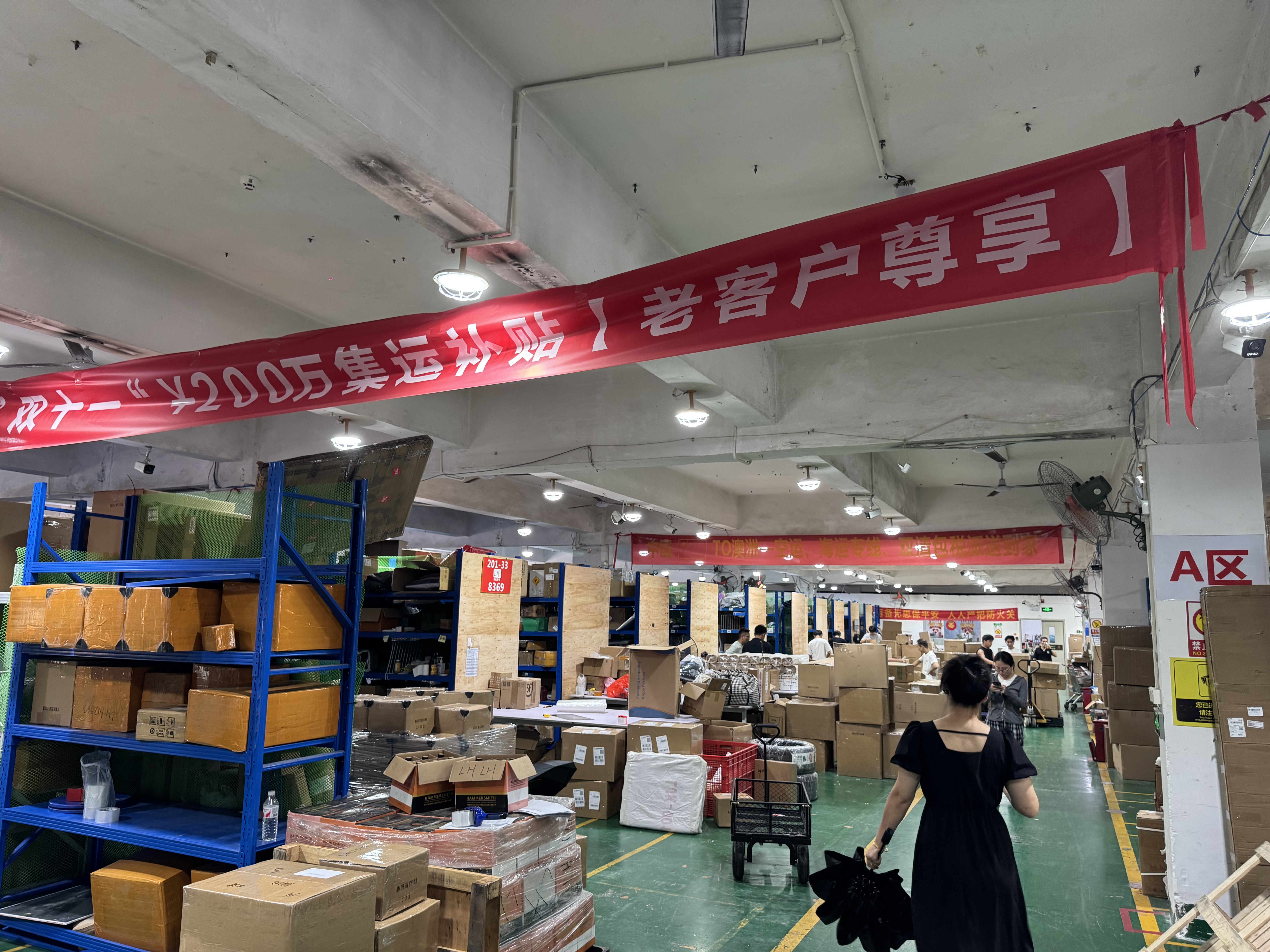
Limitations: It's more expensive, especially for larger or heavier personal bags. Also, there are weight and size restrictions. For example, most airlines limit the weight of a single piece of luggage to 32 kg.
Sea Freight Advantages: It's more cost - effective for larger shipments. If you're an importer shipping a lot of personal items for your business, sea freight can save you a significant amount of money.
Limitations: It's much slower, taking roughly 25 - 35 days. There's also a higher risk of delays due to weather conditions, port congestion, etc. I remember a time when a shipment from a trade factory in Brisbane was delayed by almost a week because of a storm near the Port of Melbourne.
IV. Documentation and Paperwork
Commercial Invoice This is a must - have document. It should include a detailed description of the items in your personal bags, their quantity, value, and the country of origin. Incorrect or incomplete invoices can lead to customs clearance issues.Packing List A packing list helps the customs officers to understand what's inside each bag. It should match the information on the commercial invoice. For example, if you have three bags of clothing, the packing list should specify the number of pieces in each bag, the type of clothing, and their sizes.
Biosecurity Declaration As mentioned earlier, with the new 2026 policies, a proper biosecurity declaration is essential. You need to list all the items that may pose a biosecurity risk, such as food, plants, or animal products.
V. Working with a Reliable Logistics Provider
Benefits of Using a Professional Service A good logistics provider, like Shengda International Logistics, can handle all the paperwork, customs clearance, and shipping arrangements for you. They have in - depth knowledge of the 2026 policies and can ensure that your personal bags reach Australia smoothly. For example, they can help you with accurate customs valuation and biosecurity declarations.What to Look for in a Logistics Provider Experience: Look for a company that has been in the business for a long time and has experience in shipping to Australia.
Reputation: Check online reviews and ask for references from other businesses.
Service Range: Make sure they offer the services you need, such as air or sea freight, customs clearance, and door - to - door delivery.
VI. FAQ
Q: Can I ship food items in my personal bags to Australia? A: Yes, but you need to declare them on the biosecurity declaration. Some food items may be prohibited or restricted. For example, fresh fruits and vegetables are generally not allowed, but some processed and packaged foods may be permitted. It's best to check with DAFF or your logistics provider before shipping.Q: How can I ensure my personal bags are not delayed at customs? A: Make sure all your documentation is accurate and complete. Provide detailed descriptions of the items, their values, and origins. Also, comply with the biosecurity regulations. Working with a professional logistics provider like Shengda International Logistics can also significantly reduce the risk of delays as they know how to handle customs procedures efficiently.
Q: What if I make a mistake on my customs declaration? A: If you realize you've made a mistake, contact the Australian Border Force (ABF) or your logistics provider as soon as possible. They can guide you on how to correct the declaration. However, if the mistake is found during a routine inspection and it's considered a false declaration, you may face fines or other penalties.
Q: Is it better to use air or sea freight for shipping personal bags to Australia? A: It depends on your needs. If you need the items quickly, like for a business event or to restock your inventory, air freight is a better option. But if you're shipping a large quantity of items and time isn't a critical factor, sea freight is more cost - effective.
Q: Can I track my personal bags during shipping? A: Most reliable logistics providers, including Shengda International Logistics, offer tracking services. You can use the tracking number provided to monitor the progress of your shipment online. This gives you peace of mind and allows you to plan for the arrival of your bags.
In summary, shipping personal bags to Australia in 2026 requires careful attention to the new policies, proper choice of shipping method, accurate documentation, and a reliable logistics partner. By keeping these points in mind, you can avoid the common pitfalls and ensure your shipment arrives smoothly.
