

I. Introduction
In 2026, shipping furniture from China to Canada as less - than - container load (LCL) has become a popular option for small business owners, importers, and e - commerce sellers due to its cost - effectiveness. However, this process is fraught with challenges and opportunities that you need to be well - aware of. I've been in the cross - border logistics industry for years, and I've seen many clients go through both the smooth and rough parts of furniture LCL shipping. Let me share some in - depth insights - something you won't read in general guides.
II. Cost Analysis - The Core of LCL Shipping
Freight Costs Freight is the most substantial part of LCL shipping expenses. It varies based on multiple factors. For instance, the shipping volume matters a great deal. A one - cubic - meter furniture shipment might cost around 300 - 350 CAD in 2026. Also, the origin port in China and the destination in Canada have a significant impact. Shipping from Shanghai Port to the Port of Vancouver is generally cheaper compared to some inland destinations in Canada due to fewer transportation links and higher handling fees for inland transit.Moreover, the shipping season has an effect. Peak seasons, like the pre - Christmas period, see higher freight rates. In contrast, the off - peak months from July to September usually offer more budget - friendly options.
Additional Charges Beyond the basic freight, there are several other charges. Customs clearance fees can range from 120 - 180 CAD, depending on the complexity of the customs declaration. Documentation fees are also inevitable. Each set of shipping documents can cost around 30 - 50 CAD.
Warehousing fees at the destination port can add up quickly if there are delays. If your furniture is stored at the Port of Montreal for more than three days, expect to pay an additional 10 - 15 CAD per day per cubic meter.
I once had a client who didn't anticipate these additional charges. They were shocked when their total cost was almost 20% higher than the initial freight quote. So, always factor in these extra costs when budgeting for your furniture LCL shipping.
III. Customs and Regulations - The Regulatory Hurdle
New Policies in 2026 In 2026, the Canadian Border Services Agency (CBSA) has tightened regulations on furniture imports. There's an increased focus on wood - sourced furniture due to concerns about invasive pests. For example, if your furniture is made of solid wood, it must be properly treated and come with a phytosanitary certificate.There are also stricter rules regarding furniture with fabric or leather components. Substances used in the treatment of these materials must comply with Canadian environmental and safety standards. For example, certain flame - retardant chemicals commonly used in some Chinese - made furniture are now restricted in Canada.
HS Codes and Classification Correctly determining the Harmonized System (HS) codes for your furniture is crucial. A wrong classification can lead to delays, penalties, or over - paying of duties. For example, a wooden dining table has a different HS code from a wooden bedside table, based on factors like size, design, and intended use.
CBSA uses these HS codes to assess duties and taxes. In general, the duty rate for furniture ranges from 0% - 10%, but it can be higher for luxury or specialty items. You need to ensure that your suppliers in China understand the importance of providing accurate HS code information.
IV. Logistics Process - From China to Canada
Loading and Consolidation in China Once your furniture is ready at the Chinese factory, it will be transported to a consolidation warehouse. Here, it will be grouped with other LCL shipments going to the same destination in Canada. The loading process requires careful handling to prevent damage. For example, fragile items like glass - topped tables need to be properly padded and secured.The consolidation warehouse staff will also check the quantity and quality of your furniture against the shipping documents. Any discrepancies need to be resolved before the shipment leaves China.
Ocean Transport The ocean journey from China to Canada usually takes around 14 - 21 days. During this time, the cargo is exposed to various risks such as rough seas, which can cause damage to your furniture. It's advisable to purchase comprehensive marine insurance to protect your investment.
The shipping line you choose also matters. Larger and more established shipping lines like COSCO and Maersk often offer more reliable services, but they might be slightly more expensive.
Unloading and Delivery in Canada Upon arrival at the Canadian port, your furniture will be unloaded and undergo customs clearance. If all the documentation is in order and the furniture meets the Canadian regulations, it will be released for delivery.
The final delivery to your store or warehouse can be arranged through a local carrier. It's important to ensure that the carrier has experience in handling furniture to minimize the risk of damage during the last - mile delivery.
V. Packaging and Quality Control - Protecting Your Investment
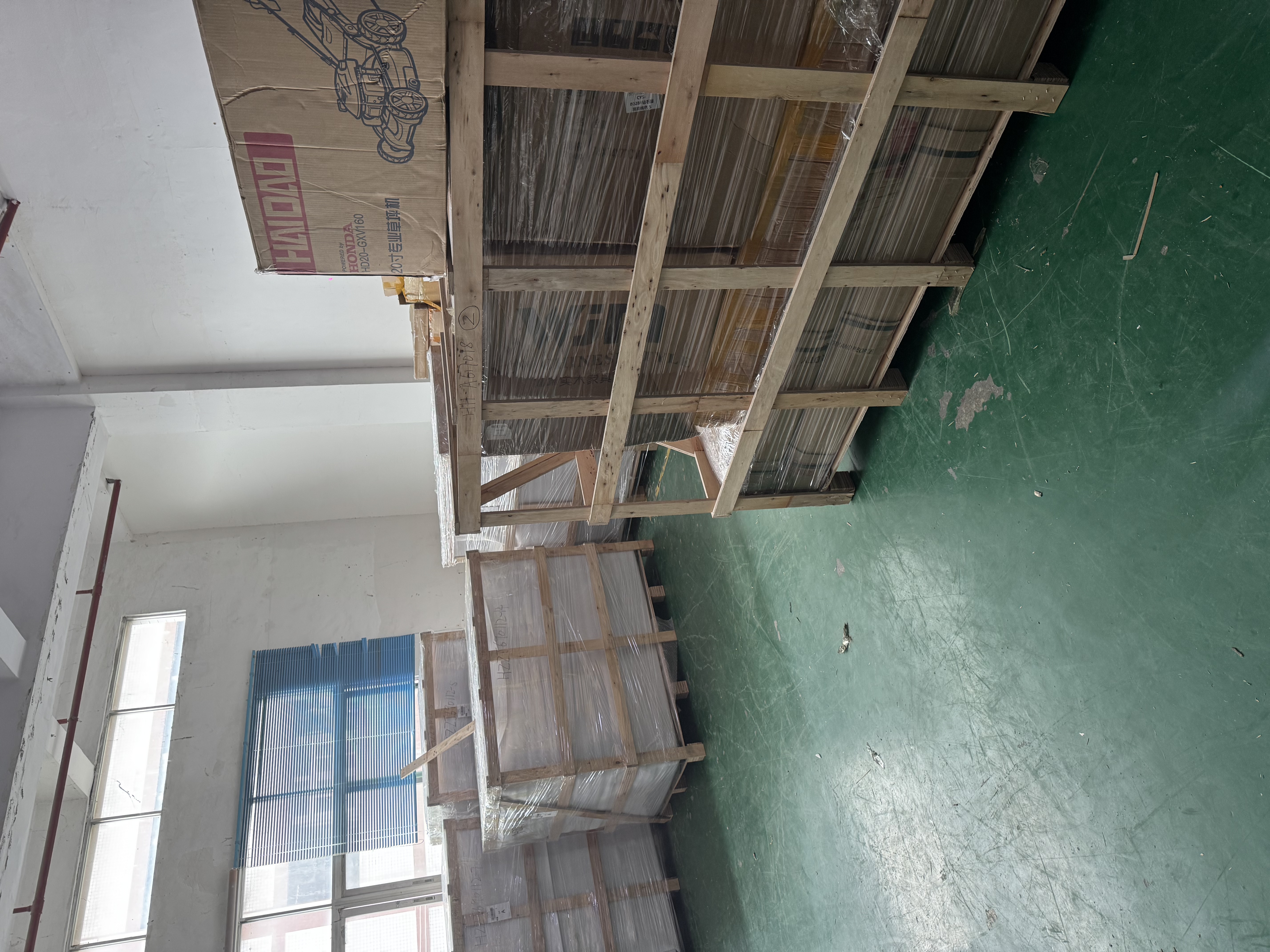
Appropriate Packaging Furniture is a bulky and often fragile cargo. Good packaging is essential. For wooden furniture, a combination of bubble wrap and wooden crates can provide excellent protection. For example, a large wooden wardrobe should be wrapped in multiple layers of bubble wrap before being placed in a sturdy wooden crate.Furniture with glass components requires special attention. Anti - vibration padding and custom - made cardboard inserts can help prevent breakage.
Quality Control It's advisable to conduct a pre - shipment inspection. You can either visit the factory in China yourself or hire a third - party inspection agency. I've seen cases where clients received damaged or low - quality furniture due to lack of proper inspection. The inspection agency can check for defects, ensure the correct size and finish, and make sure the furniture is properly packaged for shipping.
VI. FAQ
What if my furniture gets damaged during shipping? First, if you've purchased marine insurance, you should file a claim immediately. Document the damage with photos and keep all relevant shipping documents. Second, contact your shipping agent or carrier. They can assist you in the claim process. At [Company Name], we have a team that can help clients deal with such situations and ensure they get the compensation they deserve.How long does the customs clearance process usually take? In general, it can take 2 - 5 business days. However, this can be longer if there are issues with the documentation or if the furniture is selected for further inspection. In 2026, with the stricter regulations, you might need to be more prepared for potential delays.
Can I track my furniture shipment? Most shipping lines and carriers offer tracking services. You can get a tracking number and use the corresponding online platform to check the status of your shipment. Our in - house logistics system at [Company Name] also provides real - time tracking for our clients, so they always know where their furniture is.
Do I need to pay taxes and duties in Canada? Yes, you do. The amount of taxes and duties depends on the value of your furniture and its HS code classification. It's important to calculate these costs in advance to avoid any financial surprises.
What should I do if my furniture is held up at customs for non - compliance? Contact your customs broker immediately. They can help you understand the reason for the hold - up and guide you through the process of rectifying the issue. You may need to provide additional documentation or make modifications to the furniture to meet the Canadian regulations.
