

I. Introduction
Are you an Australian small business owner, importer, or e - commerce seller planning to import wooden furniture from China in 2026? You're in the right place. I've been in the cross - border logistics business for years, dealing with countless shipments between China and Australia. I remember a client in 2024 who imported a large batch of wooden chairs to Sydney. They didn't pay enough attention to the fumigation requirements, and the goods were held up at Port Botany for weeks, incurring huge storage fees and causing a delay in their product launch. This is just one of the many cases where improper handling of fumigation can lead to serious consequences. In 2026, new regulations and stricter controls are in place for wooden furniture imports, which makes understanding fumigation crucial.
II. Key Regulations and Requirements in 2026
Australian Border Force (ABF) and Department of Agriculture, Fisheries and Forestry (DAFF) Rules The ABF and DAFF have tightened the regulations on wooden furniture imports to prevent the entry of pests and diseases. In 2026, all wooden furniture must be fumigated according to international standards to meet the biosecurity requirements. For example, the wood must be treated to kill pests like termites and beetles, which can cause significant damage to Australia's native flora and fauna.The fumigation process must be carried out by a certified fumigation provider in China. The provider will issue a fumigation certificate, which is a mandatory document for customs clearance in Australia. Without this certificate, your shipment won't be allowed to enter the country.
HS Codes and Classification Different types of wooden furniture are classified under specific HS codes. These codes determine the exact requirements for fumigation and customs duties. For instance, furniture made of solid wood may have different requirements compared to those with a veneer. It's essential to accurately classify your wooden furniture using the correct HS code to ensure compliance with the regulations.
III. Fumigation Process in Depth (40% of the article)
Pre - fumigation Preparation First, the wooden furniture needs to be thoroughly cleaned. Any dirt, debris, or loose bark must be removed. This is because pests can hide in these areas, and a dirty surface can affect the effectiveness of the fumigation. My team once had a shipment of wooden cabinets that were covered in sawdust. We had to spend extra time cleaning them before the fumigation process could start.The furniture is then inspected for any signs of damage or infestation. If any pests are detected, the furniture may need to be treated with additional pesticides before fumigation. The inspection is usually carried out by a trained professional who will check the joints, corners, and other hidden areas of the furniture.
Actual Fumigation The wooden furniture is placed in a sealed chamber. A fumigant gas, usually methyl bromide or phosphine, is introduced into the chamber. The choice of fumigant depends on the type of wood and the pests that need to be eliminated. The chamber is kept sealed for a specific period, typically around 24 - 36 hours, to ensure that the gas penetrates the wood and kills all pests.
During the fumigation process, strict safety measures are in place. The area around the chamber must be well - ventilated, and all workers must wear appropriate protective equipment. The temperature and humidity inside the chamber are carefully monitored to ensure the effectiveness of the fumigation.
Post - fumigation Handling After the fumigation is complete, the chamber is ventilated to remove the fumigant gas. The wooden furniture is then inspected again to ensure that all pests have been killed. A fumigation certificate is issued, which includes details such as the date of fumigation, the type of fumigant used, and the name of the fumigation provider.
The fumigation certificate is a vital document for customs clearance in Australia. It must be presented along with other shipping documents, such as the bill of lading and the commercial invoice, to the ABF at the port of entry.
IV. Cost and Time Considerations
Cost The cost of fumigation depends on several factors, such as the volume of the wooden furniture, the type of fumigant used, and the location of the fumigation provider. On average, the cost can range from $50 to $200 per cubic meter. However, this is just an estimate, and the actual cost may vary.In addition to the fumigation cost, there are other associated costs, such as the cost of cleaning the furniture before fumigation and the cost of obtaining the fumigation certificate.
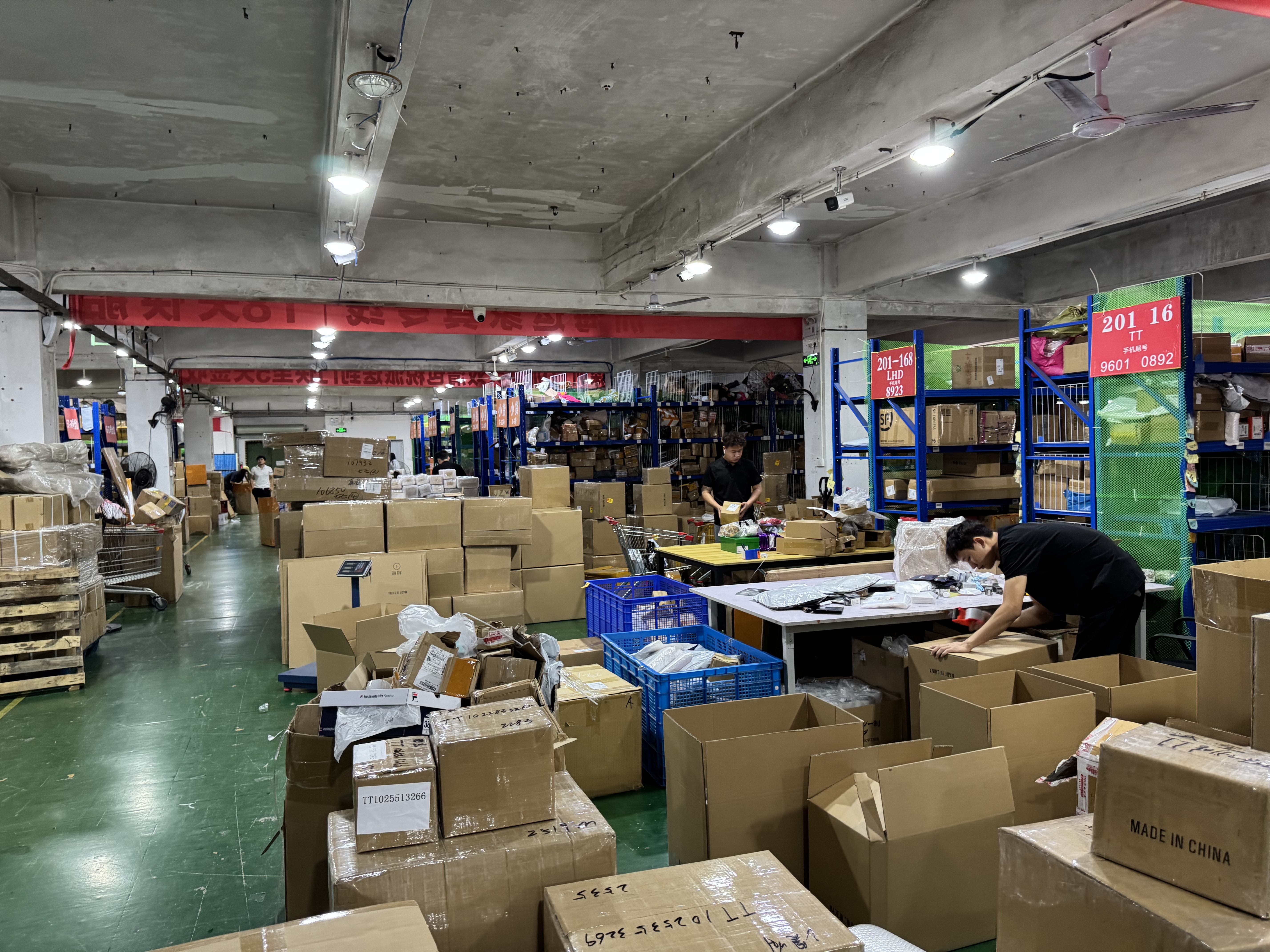
Time The fumigation process itself takes around 24 - 36 hours, as mentioned earlier. However, you also need to consider the time for pre - fumigation preparation and post - fumigation handling. In total, it can add approximately 2 - 3 days to your shipping schedule. Delays can occur if the furniture fails the initial inspection or if there are issues with the fumigation process, so it's important to plan ahead.
V. Choosing a Fumigation Provider
Certification and Reputation When choosing a fumigation provider in China, make sure they are certified by the relevant authorities. A certified provider has the necessary equipment and expertise to carry out the fumigation process effectively and safely.Check the provider's reputation in the industry. You can ask for references from other importers or read online reviews. A provider with a good reputation is more likely to offer reliable services.
Service and Cost Compare the services offered by different providers. Some may offer additional services, such as pre - fumigation cleaning and post - fumigation inspection, as part of their package.
While cost is an important factor, don't just choose the cheapest provider. A low - cost provider may cut corners, which can lead to problems with the fumigation and ultimately cause delays at customs.
VI. FAQ
What happens if my wooden furniture doesn't meet the fumigation requirements in 2026? Well, if your furniture doesn't meet the requirements, it'll likely be held at the Australian port. You may have to pay for additional fumigation on - site, which is usually more expensive. In some cases, if the problem is severe, the furniture may even be sent back to China.Can I do the fumigation myself? No, you can't. The fumigation must be carried out by a certified fumigation provider in China. They have the proper equipment, chemicals, and expertise to ensure that the fumigation is done correctly and safely.
How long is the fumigation certificate valid for? The validity of the fumigation certificate usually depends on the regulations. Generally, it's valid for around 30 days. But it's always a good idea to check with the Australian customs or your logistics provider closer to the shipment date.
Are there any alternatives to fumigation? As of 2026, fumigation is the standard requirement for wooden furniture imports to Australia. There aren't really any widely - accepted alternatives. However, if you have a special case, you can consult with the Australian Department of Agriculture, Fisheries and Forestry to see if there are any options.
Can I use a fumigation certificate from a previous shipment? No, each shipment requires a new fumigation certificate. The certificate is specific to the batch of wooden furniture that was fumigated, and it includes details such as the date of fumigation and the quantity of furniture. So, you can't reuse an old certificate.
In summary, the 2026 regulations on wooden furniture fumigation for Australian imports are strict, but by understanding the process, choosing the right fumigation provider, and planning ahead, you can ensure a smooth import process. Always stay updated on the latest regulations to avoid any unpleasant surprises at the port.
