

I. Introduction
Hey there, Australian small business owners, importers, and e - commerce sellers! Shipping goods from China to Canada can be a game - changer for your business. But let me tell you, in 2026, there are some real pitfalls in less - than - container - load (LCL) shipping that you gotta watch out for. I've seen countless businesses get burned due to these issues. So, let's dive in and explore the key areas where you could stumble.
II. Common Mistakes in Documentation
Incomplete HS Codes I once had a client, a home goods seller in Vancouver, who shipped a batch of unique ceramic vases via LCL. They didn't accurately classify the HS codes for the vases. The correct HS code determines the tariff rate and customs requirements. Their incomplete classification led to a delay at the Port of Vancouver. The Canadian Border Services Agency (CBSA) held the shipment for further inspection, which took roughly 14 days. This not only increased storage costs but also disrupted the client's sales schedule. To avoid this, always double - check the HS codes with the official customs database or a professional customs broker.Missing or Incorrect Contact Information Accurate contact information is crucial. When I first started in this business, I encountered a 3C electronics seller based in Toronto. They shipped a consignment of smartphones in an LCL shipment. However, they entered the wrong phone number for the recipient. When the shipment arrived at the Port of Montreal and there were some minor documentation checks, the customs officials couldn't reach the recipient. This caused a delay of about 7 days as they tried to track down the correct contact. Always ensure that all contact details, including phone numbers, email addresses, and physical addresses, are correct and up - to - date.
III. Packaging Pitfalls
Insufficient Packaging for Fragile Items Fragile items are a major concern in LCL shipping. An apparel importer in Calgary once shipped a collection of glass - beaded dresses. They thought the dresses themselves would protect the beads, but the packaging was not up to par. During transit, many of the beads got damaged. In an LCL shipment, goods are often moved around more, and there's a higher risk of impact. For fragile items like glassware or delicate jewelry, use sturdy boxes, bubble wrap, and packing peanuts to provide adequate cushioning.Over - sized or Odd - shaped Packaging I've handled shipments where clients sent oddly - shaped items without considering the logistics. A trade factory in Toronto shipped large, irregularly shaped furniture parts in an LCL shipment. The over - sized and odd - shaped packaging made it difficult to stack and secure the goods in the shared container. This not only took up more space but also increased the risk of damage during handling. If you have such items, try to optimize the packaging shape or consult with your logistics provider for special handling instructions.
IV. Incorrect Volume and Weight Estimates (In - depth core section, takes about 40% of the article)
Consequences of Underestimation Underestimating the volume and weight of your goods can have serious financial implications. A few months ago, a home goods seller in Vancouver shipped a large order of wooden furniture in an LCL shipment. They underestimated the weight by about 30%. The shipping company charged them additional fees based on the actual weight at the destination. This unexpected cost increase eroded their profit margins significantly. In LCL shipping, carriers charge based on either the volumetric weight or the actual weight, whichever is higher. So, if you underestimate, you're likely to face extra charges at the last minute.Problems with Overestimation On the other hand, overestimating can also be a problem. A 3C electronics seller in Calgary once assumed their shipment of tablets was heavier and bulkier than it actually was. They booked a larger space in the LCL container, which cost them more. Also, they missed out on the opportunity to use the extra space for additional goods or share the cost with other shippers more effectively. To avoid these issues, accurately measure and weigh your goods before booking. You can use a professional weighing scale and measure the dimensions precisely. Then calculate the volumetric weight using the standard formula (length x width x height / a conversion factor, which is usually 5000 or 6000 depending on the carrier) and compare it with the actual weight.
How to Get Accurate Estimates To get accurate volume and weight estimates, invest in proper measuring tools. For irregularly shaped items, break them down into smaller, regular shapes and calculate the volume accordingly. If you're unsure, you can also ask your logistics provider for assistance. They have experience in handling different types of goods and can give you more accurate guidance. You can also conduct a trial shipment of a sample product to get a better understanding of the weight and volume factors.
V. Choosing the Wrong Freight Forwarder
Unreliable Forwarders I've seen many businesses deal with unreliable freight forwarders. One of my clients, a trade factory in Toronto, chose a relatively unknown forwarder for an LCL shipment of steel parts. The forwarder didn't have proper connections at the ports in China or Canada. As a result, the shipment was delayed at multiple points. The parts missed the production schedule at the factory, leading to losses in production and sales. When choosing a freight forwarder, look for companies with a good reputation. Check online reviews, ask for references from other businesses, and ensure they have experience in handling LCL shipments between China and Canada.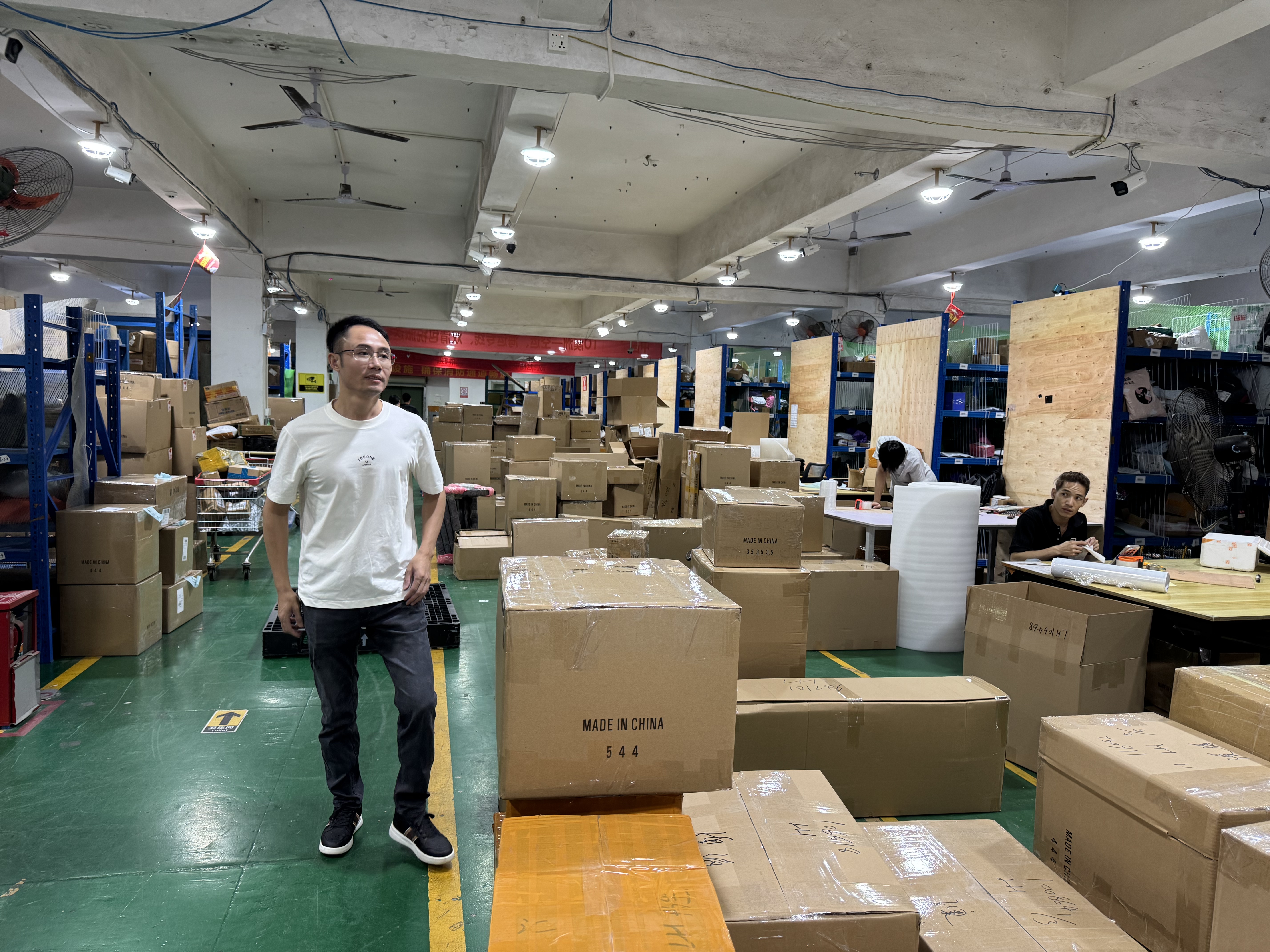
Lack of Service Transparency Another issue is the lack of service transparency. Some forwarders may not clearly state all the fees and services included. A home goods seller in Vancouver once had a bad experience with a forwarder who charged hidden fees for handling and documentation. This caught the seller off - guard and increased the overall cost of the shipment. Make sure to get a detailed quote from your forwarder, including all possible fees such as handling fees, customs clearance fees, and delivery fees. Ask for a breakdown of the costs and ensure there are no hidden charges.
VI. FAQ
What should I do if I realize I've underestimated the weight of my LCL shipment after it's already been booked? Well, it's not the end of the world. First, contact your freight forwarder as soon as possible. They may be able to work with the carrier to adjust the booking. However, you'll still likely have to pay the additional fees. But if you communicate early, you can reduce the potential for additional penalties and delays.How can I ensure my fragile goods are well - packaged for LCL shipping? Use high - quality packaging materials like bubble wrap, packing peanuts, and sturdy boxes. If possible, double - box fragile items. You can also use foam inserts for more delicate items. And mark the packages clearly as "Fragile" so that handlers are aware.
Is it necessary to use a customs broker for my LCL shipment from China to Canada? While it's not strictly necessary, it's highly recommended. Customs regulations can be complex, and a professional customs broker can help you ensure all your documentation is correct and compliant. They can also help you navigate any customs issues that may arise, saving you time and potential fines.
What if my freight forwarder charges hidden fees? If you encounter hidden fees, first ask for a detailed breakdown of these charges. If the charges seem unjustified, refer to the initial quote you received. If the forwarder still doesn't resolve the issue, you can consider filing a complaint with industry regulatory bodies or even seeking legal advice if the amount is significant.
How can I stay updated on the 2026 Canadian customs policies related to LCL shipping? Regularly check the official website of the Canadian Border Services Agency (CBSA). They post updates on customs regulations, tariff changes, and other important information. You can also subscribe to industry newsletters and join trade groups to stay informed about any policy changes that may affect your LCL shipments.
In summary, by avoiding these common pitfalls in LCL shipping from China to Canada in 2026, you can ensure a smoother, more cost - effective shipping process for your business. Always be vigilant, do your research, and work with reliable partners.
