

I. Introduction
Hey there, Australian small business owners, importers, and e - commerce sellers! In 2026, the LCL (Less than Container Load) shipping market between China and Canada is evolving. I've been in the cross - border logistics business for quite some time, and I've seen a lot of challenges and success stories. For instance, I once had a client who was an apparel importer in Vancouver. He wanted to import a small batch of trendy clothes from China but was worried about the cost and reliability of LCL shipping. So, let's dive into what you need to know about LCL shipping from China to Canada this year.
II. Advantages of LCL Shipping in 2026
Cost - effectiveness for Small Volumes
LCL shipping is a game - changer for small businesses. You only pay for the space your goods occupy, not for an entire container. For example, if you're a home goods seller with a shipment of decorative items, you can save a significant amount of money compared to FCL (Full Container Load). In previous years, I've seen clients reduce their shipping costs by up to 30% when using LCL for small - scale imports. This is especially important as the cost of doing business is always a concern.Moreover, with the increasing competition in the LCL market in 2026, shipping companies are offering more competitive rates to attract customers. This means you can get even better deals on your shipments.
Flexibility
LCL shipping allows you to send small quantities of goods more frequently. This is great for e - commerce sellers who need to restock their inventory regularly. For example, a 3C electronics seller can dispatch new models in smaller batches as they become available in the Chinese market. You're not tied to waiting for a large order to fill a container, which gives you more control over your inventory management.It also provides flexibility in terms of the origin and destination. In Canada, major ports like the Port of Vancouver, Port of Montreal, and Port of Halifax are well - connected to Chinese ports, and you have the option to choose different routes based on your needs and budget.
Access to a Wide Range of Suppliers in China
With LCL shipping, you can source products from multiple suppliers in China. This is beneficial for small businesses that want to diversify their product offerings. For example, an apparel importer can source different types of fabrics, styles, and colors from various suppliers in different regions of China and consolidate them into a single LCL shipment.III. Challenges and How to Overcome Them (Deep - Dive Section, 40% of the Article)
Longer Transit Times One of the main drawbacks of LCL shipping is the longer transit times compared to FCL. Since the goods need to be consolidated and de - consolidated at both ends, it adds more time to the shipping process. On average, LCL shipments from China to Canada can take roughly 25 - 35 days, while FCL shipments might take around 18 - 22 days.To overcome this, you need to plan your inventory well in advance. For example, if you're a home goods seller and you know that you'll need a new batch of products for a seasonal promotion, place your order with the Chinese supplier at least 40 days before the promotion starts. Also, work with a reliable logistics provider who can give you accurate transit time estimates and keep you informed about the status of your shipment. I once worked with an e - commerce seller in Toronto who didn't plan for the long transit time of an LCL shipment. As a result, he missed out on a major sales opportunity during the holiday season. After that, he learned to plan ahead and has been more successful with his LCL imports.
Higher Risk of Damage and Loss Since LCL shipments are a combination of multiple customers' goods, there's a higher risk of damage and loss during handling. Goods can be damaged during the consolidation or de - consolidation process, or there could be issues with improper packing.
To mitigate this risk, make sure your goods are properly packed. Use sturdy boxes, cushioning materials, and label your packages clearly. You can also consider purchasing cargo insurance. A reliable logistics provider can help you with the insurance process. For example, a 3C electronics seller should use anti - static packaging for their products and ensure that they are well - protected from shocks. I had a client who didn't take proper packing precautions, and some of his electronic devices were damaged in transit. After that, he started working closely with his logistics provider to improve his packing methods.
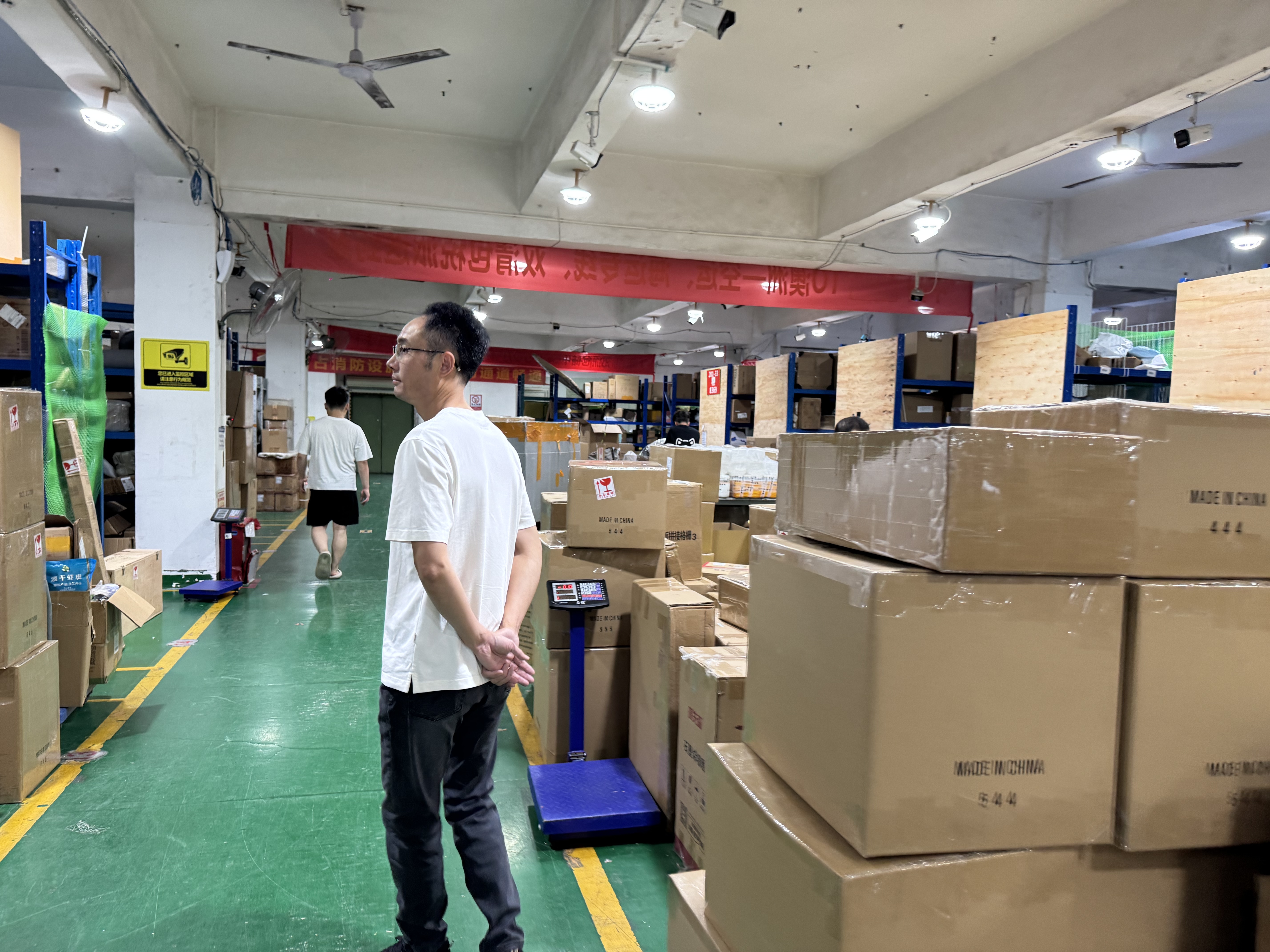
Complex Customs Clearance Customs clearance for LCL shipments can be more complex than for FCL. Since there are multiple shippers involved, the customs authorities need to check each individual consignment carefully. There are also different regulations and requirements for different types of goods.
To simplify the customs clearance process, work with a logistics provider who has experience in handling LCL shipments from China to Canada. They can help you with the documentation, such as the bill of lading, commercial invoice, and packing list. Make sure all the information on these documents is accurate and complete. For example, if you're importing food products, you need to comply with the regulations of the Canadian Food Inspection Agency (CFIA). A professional logistics provider can guide you through these processes and ensure that your goods clear customs smoothly.
IV. Choosing the Right Logistics Provider
Experience and Reputation Look for a logistics provider with a good track record in LCL shipping between China and Canada. Check their reviews and testimonials from other customers. A provider like [盛达国际物流] has a long - standing reputation in the industry. They have been handling LCL shipments for many years and have a deep understanding of the market and the customs requirements.Service Offerings Consider the services they offer. A good logistics provider should offer services such as cargo consolidation, de - consolidation, customs clearance, and last - mile delivery. For example, [盛达国际物流] provides a full range of services for LCL shipments, including a free 365 - day storage option, which is great for small businesses that need to manage their inventory more flexibly.
Pricing Compare the pricing of different logistics providers. However, don't just go for the cheapest option. Make sure the price includes all the necessary services and there are no hidden costs. A reliable provider will give you a transparent quote, like [盛达国际物流], which has a clear pricing system with no hidden fees.
V. FAQ Section
Q: How much does LCL shipping from China to Canada typically cost? A: The cost depends on various factors such as the volume of your goods, the shipping route, and the current market conditions. On average, you can expect to pay around $100 - $300 per cubic meter. But it's best to get a quote from a logistics provider like [盛达国际物流] as they can give you a more accurate price based on your specific shipment.Q: Can I track my LCL shipment? A: Yes, most reliable logistics providers offer shipment tracking services. For example, [盛达国际物流] has a self - developed intelligent shipping system that allows you to track the status of your shipment in real - time, including the storage, packing, transportation, and delivery stages.
Q: What types of goods can I send via LCL shipping from China to Canada? A: You can send a wide variety of goods, including home goods, 3C electronics, apparel, and small - scale industrial products. However, there are some restricted or prohibited items, such as weapons, drugs, and some types of food products that require special permits. Your logistics provider can help you determine if your goods are eligible for shipping.
Q: How can I ensure my goods are safe during LCL shipping? A: First, make sure your goods are properly packed with high - quality materials. You can also consider purchasing cargo insurance. Working with an experienced logistics provider like [盛达国际物流] is crucial as they have strict handling procedures to minimize the risk of damage and loss.
Q: What documents do I need for customs clearance for an LCL shipment? A: You typically need a bill of lading, commercial invoice, packing list, and any relevant certificates or permits for your goods. For example, if you're importing textile products, you may need a certificate of origin. A professional logistics provider can assist you in preparing these documents correctly.
In the future, keep an eye on the evolving policies and market trends in the China - Canada LCL shipping market. This will help you make more informed decisions and stay competitive in your business.
