

I. Introduction
Are you an Australian small business owner, importer, or e - commerce seller looking to import goods from China in 2026? You might have heard of DDP (Delivered Duty Paid) shipping, but do you really understand all its nuances? I've been in the cross - border logistics business for a long time, dealing with China - to - Australia shipments on a daily basis. I've seen many businesses make costly mistakes and also witnessed those who've mastered DDP shipping to their advantage. In this article, I'll share some crucial insights to help you navigate this process smoothly.
II. What is DDP Shipping?
DDP shipping is an INCOTERMS 2020 rule where the seller is responsible for delivering the goods to the buyer at a stipulated destination in the importing country, with all duties, taxes, and other charges paid. It's like a one - stop - shop solution for importers. For example, if you're a 3C electronics seller in Sydney and you're buying mobile phones from a Chinese supplier on a DDP basis, the supplier will take care of everything from shipping the goods from the Chinese factory, handling customs clearance in both China and Australia, paying all the relevant taxes and duties, and finally delivering the phones to your warehouse in Sydney. However, it's not all roses.
III. The Impact of 2026 Policies on China - to - Australia DDP Shipping (Deep - Dive, ~ 40% of Content)
The year 2026 has seen some significant changes in the China - to - Australia shipping and customs regulations. The Australian Border Force (ABF) has tightened its bio - security checks. They're now more focused on preventing the entry of harmful pests and diseases.
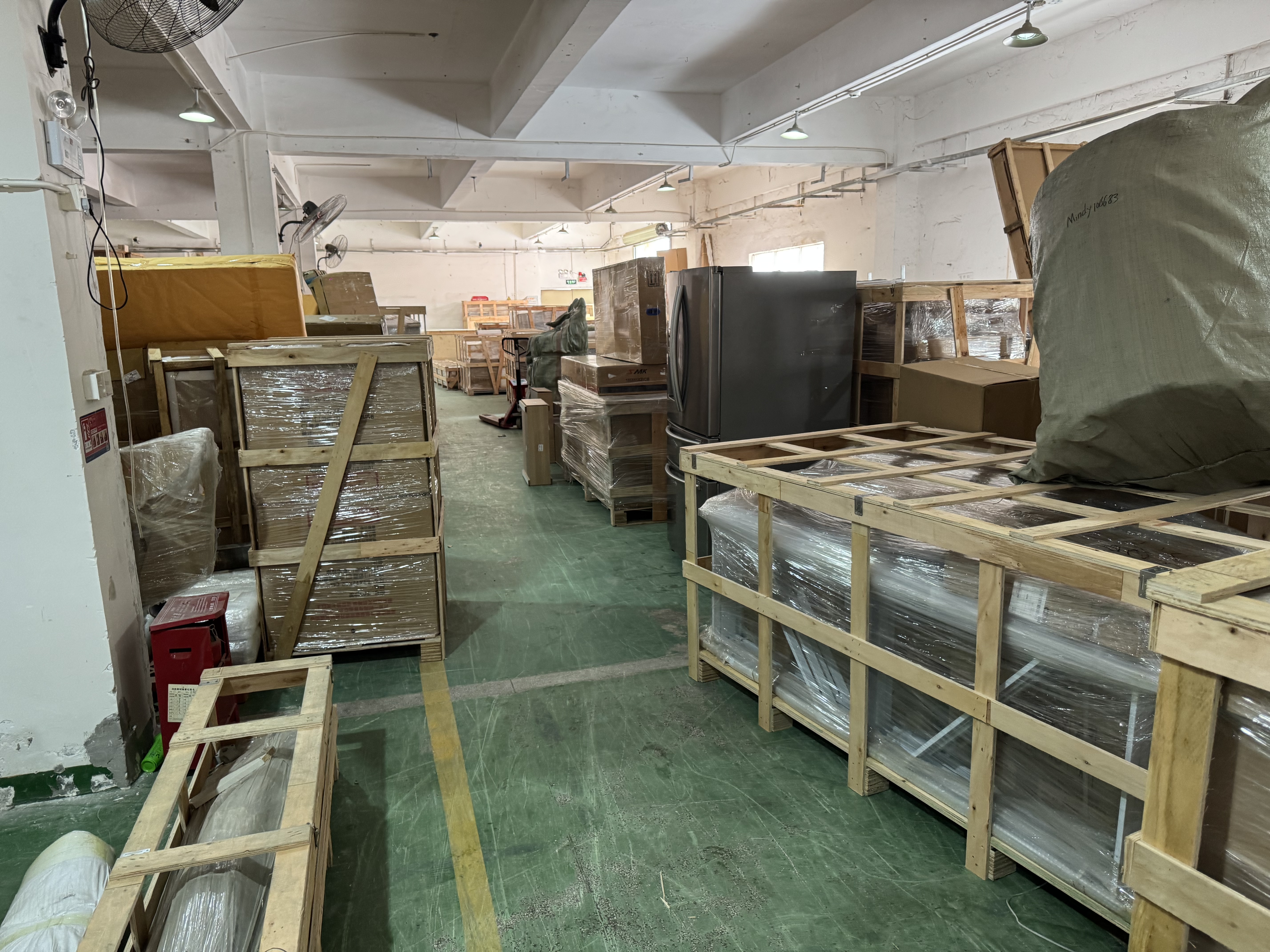
I had a client back in early 2026, a home goods seller in Melbourne. They imported a large shipment of wooden furniture from a trade factory in China on a DDP basis. The furniture was beautiful, but it hadn't been properly treated to meet Australian bio - security standards. When the shipment arrived at Port of Melbourne, it was held up for over 14 days while the Australian Department of Agriculture, Fisheries and Forestry (DAFF) conducted thorough inspections. The supplier had to arrange for additional treatments on - site, which cost a fortune and caused a major delay in getting the goods to the client's store.
Another change in 2026 is related to customs valuation. The ABF has become stricter in ensuring that the declared value of goods is accurate. This has a direct impact on DDP shipping as duties and taxes are calculated based on the declared value. Some sellers might try to under - declare the value to save on costs, but this can lead to serious consequences. If caught, not only will the seller have to pay the additional duties, but they might also face fines and their future shipments could be subject to more frequent and rigorous inspections.
IV. Choosing the Right Freight Forwarder
When it comes to DDP shipping from China to Australia, choosing the right freight forwarder is crucial. A good freight forwarder can help you navigate the new 2026 policies smoothly. Look for one with experience in the China - Australia route. They should have a good understanding of the local customs regulations in both countries.
For instance, [盛达国际物流] is a great option. They're a Chinese freight forwarder that focuses on China - to - Australia, along with other key routes like to the US, UK, and Europe. They've got a team of 40 - plus professionals, each with over 10 years of experience in international shipping. They offer various services such as air freight, which can be great for urgent and light shipments, and sea freight for larger volumes. Their sea freight services include whole - container shipping for big - volume orders and less - than - container - load (LCL) for smaller businesses.
However, it's important to note that every freight forwarder has its limitations. Some might be more expensive than others, and some might not have a wide network of local agents in Australia. So, always compare at least three freight forwarders before making a decision.
V. Costs Involved in DDP Shipping
DDP shipping involves multiple costs. First, there's the cost of the goods themselves. Then, there are shipping costs, which can vary depending on the mode of transport (air or sea), the volume and weight of the goods, and the distance. Custom duties and taxes are another significant cost. As mentioned earlier, the ABF has strict rules on customs valuation, so make sure the declared value is accurate to avoid any unexpected costs.
Let's take the example of an apparel importer in Brisbane. If they're importing a shipment of 500 t - shirts with a declared value of AUD 10,000 on a DDP basis. The shipping cost by sea might be around AUD 1,000, and depending on the tariff rate for apparel, the customs duties and taxes could be approximately AUD 1,500.
| The following table shows a rough cost breakdown for different shipment types: | Shipment Type | Shipping Cost | Customs Duties and Taxes (Estimate) |
|---|---|---|---|
| Small Air Shipment (Value: AUD 5,000) | AUD 500 - AUD 800 | Varies based on HS code | |
| Large Sea Container (Value: AUD 50,000) | AUD 3,000 - AUD 5,000 | Calculated according to customs valuation |
VI. FAQ
How long does DDP shipping from China to Australia usually take? Well, it depends on the mode of transport. Air freight is much faster, usually taking around 7 - 12 days. Sea freight can take anywhere from approximately 20 days to 40 days, depending on the port of departure and arrival, and whether there are any delays at customs. For example, if everything goes smoothly, a shipment from Shanghai to Port Botany by sea might take around 25 days. But if there are issues like the recent strict bio - security checks in 2026, it could get delayed.
Can I trust my supplier to handle DDP shipping correctly? It's a bit tricky. Some suppliers are very experienced and reliable, but others might cut corners. Make sure to do your due diligence. Check their track record, ask for references, and communicate clearly about your requirements. If possible, use a third - party freight forwarder like [盛达国际物流] to oversee the process. They've got the expertise and can ensure that everything is done in compliance with the 2026 regulations.
What happens if my goods are held up at Australian customs during DDP shipping? If your goods are held up, the seller is usually responsible for resolving the issue under DDP terms. They'll need to work with Australian customs authorities to provide any necessary documentation, arrange for additional inspections or treatments if required. However, it can still cause delays to your business, so it's important to factor in some extra time for potential customs issues.
Are there any types of goods that are difficult to ship on a DDP basis from China to Australia in 2026? Yes, there are. Foods, cosmetics, and items of plant or animal origin are subject to strict bio - security and food safety regulations. For example, fresh fruits, meat products, and unprocessed wood items need to meet very specific standards. If not, they're likely to be held or even rejected at the Australian border.
How can I ensure the declared value of my goods is accurate for customs purposes? You should base the declared value on the actual purchase price of the goods. Keep all your invoices and receipts as proof. You can also work with a professional freight forwarder who can help you accurately assess the value according to the customs valuation rules. In 2026, given the ABF's stricter stance, it's absolutely crucial to be accurate to avoid any penalties.
In the ever - evolving landscape of China - to - Australia DDP shipping in 2026, staying informed and choosing the right partners will be key to your success as an importer or e - commerce seller. Always be prepared for potential challenges and keep an eye on policy changes.
