

I. Introduction
Hey there, e - commerce sellers! If you're eyeing the China - Canada market in 2026, door - to - port sea freight could be a game - changer. But it's not all smooth sailing. I've seen many e - commerce sellers make costly mistakes due to lack of knowledge. For example, a 3C electronics seller I knew once shipped a large batch of products without fully understanding the new customs regulations, leading to significant delays and unexpected fees.
II. 2026 Policy Changes Affecting Door - to - Port Sea Freight
1. Customs and Regulatory Updates
In 2026, the Canadian Border Services Agency (CBSA) has tightened up some regulations. They're paying more attention to the eManifest system. You must submit accurate and detailed information about your goods in advance. Otherwise, your shipment could be held up at the port. For instance, HS codes need to be precisely declared. A wrong code can result in misclassification, either over - or under - paying duties.
2. Environmental and Safety Standards
There are also new environmental and safety standards for shipping containers and cargo. This means your products need to meet certain packaging and labeling requirements. For example, if you're shipping home goods, they must be properly packed to prevent damage during transit and meet Canadian environmental protection standards for packaging materials.
III. Advantages of Door - to - Port Sea Freight for E - commerce Sellers
1. Cost - Efficiency
Sea freight is generally much cheaper than air freight, especially for large - volume shipments. If you're an apparel importer, shipping a large quantity of clothes by sea can save you a significant amount of money. You can transport a 20 - foot container of apparel for roughly 30% less than the cost of air freight for the same volume.
2. Capacity
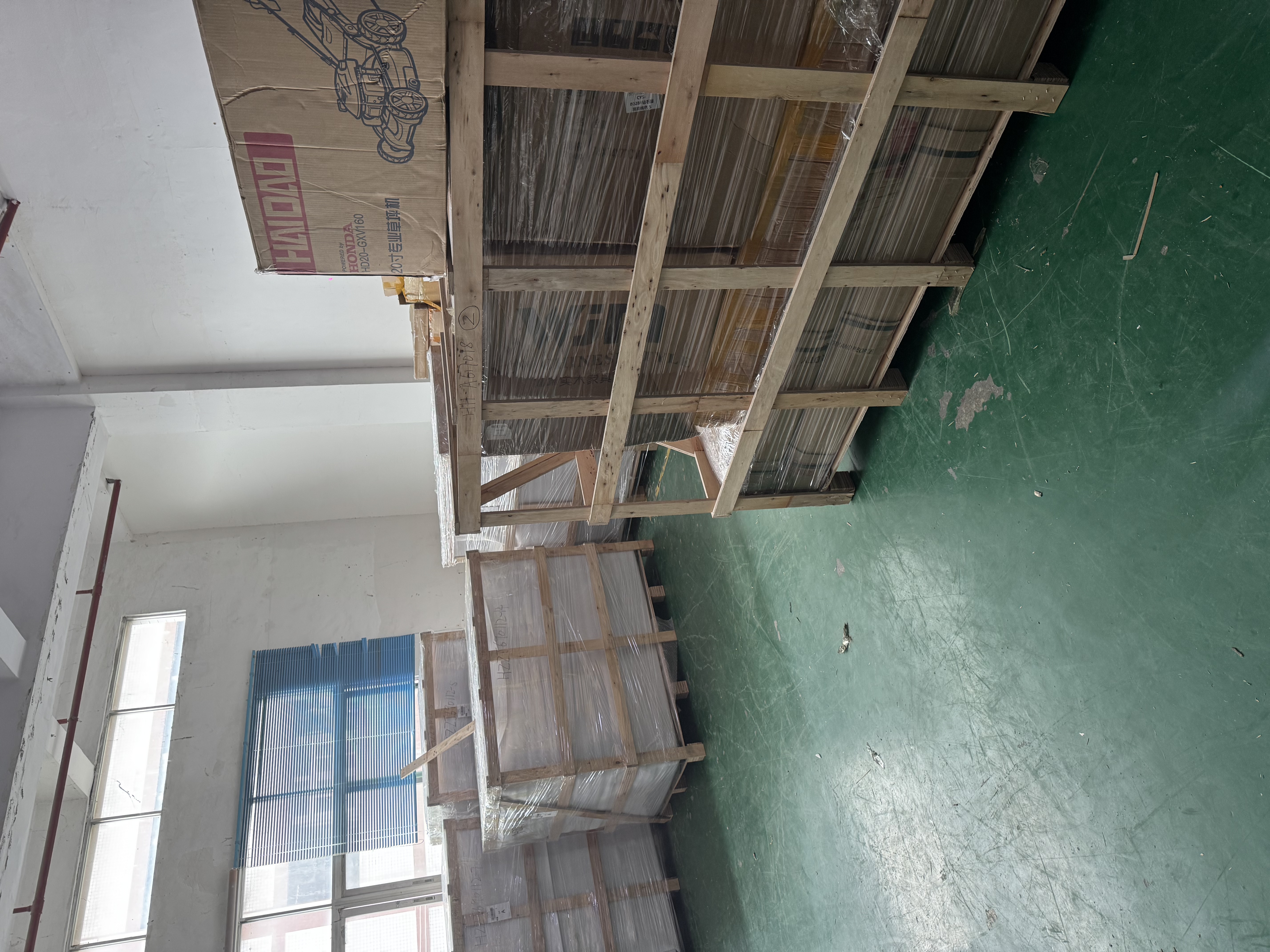
Sea freight offers a much larger capacity. You can ship bulky items like furniture or large quantities of products in one go. A 40 - foot container can hold a large number of home goods, which is ideal for e - commerce sellers looking to restock their inventory.
IV. Challenges and How to Overcome Them (Deep - Dive Section)
1. Long Transit Times
One of the biggest challenges of sea freight is the long transit time. It can take anywhere from 20 to 35 days for a shipment to reach the Port of Vancouver from China. This can be a problem if you have a high - demand product or need to restock quickly.
Solution: Plan your inventory management carefully. Use historical sales data to forecast demand and place orders well in advance. You can also consider using a combination of sea and air freight. For example, use sea freight for your bulk orders and air freight for urgent restocks.
2. Customs Clearance Issues
Customs clearance can be a headache. Incorrect documentation, misdeclaration of goods, or non - compliance with regulations can lead to delays and additional fees.
Solution: Work with a reliable freight forwarder. They have the expertise and experience to handle customs clearance. Make sure you provide them with all the necessary information, such as accurate product descriptions, values, and HS codes. Also, stay updated on the latest customs regulations.
3. Port Congestion
Ports can get congested, especially during peak seasons. This can cause delays in unloading and delivering your goods.
Solution: Monitor the port situation regularly. You can use online tools or consult with your freight forwarder. Consider choosing less congested ports if possible. For example, instead of always using the Port of Vancouver, you might look into the Port of Montreal, which can sometimes have less traffic.
V. Choosing the Right Freight Forwarder
1. Experience and Expertise
Look for a freight forwarder with experience in China - Canada sea freight. They should be familiar with the 2026 regulations and have a good track record of handling e - commerce shipments. A forwarder with at least 5 years of experience in this route is a good choice.
2. Services Offered
A good freight forwarder should offer a range of services, including door - to - port shipping, customs clearance, and cargo insurance. They should also be able to provide you with real - time tracking information so you can keep an eye on your shipment.
3. Reputation
Check the forwarder's reputation. You can read online reviews or ask for references from other e - commerce sellers. A forwarder with a good reputation is more likely to provide reliable and high - quality service.
VI. FAQ
Q1: How much does door - to - port sea freight from China to Canada cost in 2026? A: The cost can vary widely depending on factors like the volume of your shipment, the type of goods, and the port of destination. Generally, for a 20 - foot container, it can cost around $2,000 - $3,500. But this is just an estimate, and you should get quotes from different freight forwarders.
Q2: Can I ship sensitive goods like electronics and cosmetics via door - to - port sea freight? A: Yes, you can, but you need to make sure they comply with Canadian regulations. Some sensitive goods may require special permits or certifications. It's best to work with a freight forwarder who has experience in handling sensitive goods.
Q3: What if my shipment is delayed at the port due to customs issues? A: If your shipment is delayed, first, contact your freight forwarder. They will work on resolving the issue. In some cases, you may need to provide additional documentation or pay additional fees. It's important to stay in communication with the forwarder and the customs authorities.
Q4: How can I ensure my goods are safe during transit? A: Use proper packaging materials. For example, if you're shipping fragile items, use bubble wrap and sturdy boxes. Also, consider purchasing cargo insurance. A good freight forwarder can help you with both packaging advice and insurance options.
Q5: Are there any restrictions on the types of products I can ship from China to Canada via sea freight in 2026? A: Yes, there are some restrictions. For example, certain types of food products may need to meet strict food safety standards set by the Canadian Food Inspection Agency (CFIA). Also, products with certain ingredients or features may be prohibited or restricted. It's crucial to check the latest regulations before shipping.
As you plan your e - commerce business in the China - Canada market in 2026, keep these points in mind. With the right knowledge and preparation, door - to - port sea freight can be a great option for your shipments. Always stay informed and be ready to adapt to any changes in the shipping process.
