

I. Introduction
Are you an Australian small business owner, importer, or e - commerce seller looking to import goods from China to Perth? In 2026, there are several important aspects of China - to - Perth sea freight that you need to be aware of. I've been in the cross - border logistics business for years, dealing with countless shipments from China to various Australian ports, including Perth. Let me share some valuable insights based on my hands - on experience.
II. 2026 Policy and Regulatory Updates
In 2026, there have been some significant updates in the policies and regulations related to cross - border sea freight between China and Australia. The Australian Border Force (ABF) and the Department of Agriculture, Fisheries and Forestry (DAFF) have tightened their controls to ensure biosecurity and proper customs valuation.
For instance, DAFF has increased the scrutiny of wooden products. If you're importing furniture or any items with a wooden component, you'll need to ensure they have proper phytosanitary certificates. I had a client back in 2026 who was importing home goods from a Chinese trade factory. Some of the items had wooden frames, but they didn't have the correct certificates. As a result, the shipment was held at the Port of Perth for roughly 14 days, causing significant delays and additional storage costs.
The ABF has also adjusted its customs valuation methods. They're now more strict in determining the actual value of the goods for tariff calculation. This means that you can't under - report the value of your imports. If you do, you might face hefty fines and penalties.
III. Shipping Channels and Options
Full Container Load (FCL) FCL is a great option if you have a large quantity of goods. You'll have an entire container dedicated to your shipment, which offers more security and less handling. For example, if you're an apparel importer and you're bringing in a large batch of new season clothing, using an FCL can be very efficient.Advantages: Lower risk of damage, faster transit times in some cases, and you have more control over the loading and unloading process.
Limitations: Higher cost, especially if your goods don't fully fill the container. You'll still be paying for the entire container space.
Less than Container Load (LCL) LCL is suitable for small business owners or e - commerce sellers who have smaller quantities of goods. Your goods will be combined with other shippers' goods in a single container.
Advantages: Cost - effective as you only pay for the space your goods occupy. It's a great option for those just starting out or with limited inventory.
Limitations: Longer transit times as the container needs to be filled and there are more handling points. There's also a higher risk of damage due to more handling.
IV. Cost Breakdown
Freight Charges Freight charges depend on various factors such as the volume or weight of your goods, the shipping route, and the type of container (if applicable). On average, for a 20 - foot container from a major Chinese port to Perth, the freight charge can range from $2,800 to $3,500. For an LCL shipment, it could be around $200 - $300 per cubic meter.Customs Duties and Taxes Customs duties are calculated based on the value of your goods and the HS codes. Different goods have different duty rates. For example, electronics might have a different duty rate compared to textiles. The Goods and Services Tax (GST) is also applicable, which is currently 10% of the value of the goods, plus freight and insurance.
Port Fees and Terminal Handling Charges At the Chinese port, there are fees for container loading, documentation, and terminal handling. Similar charges apply at the Port of Perth, including container unloading, storage (if applicable), and demurrage if your container stays at the port for too long.
V. Case Study: 3C Electronics Sellers
Let's take a look at a specific case of 3C electronics sellers importing goods from China to Perth.
Specific Scenario: A group of small e - commerce sellers in Perth decided to import a new batch of smartphones and tablets from a Chinese electronics factory. They chose an LCL shipment as they didn't have enough quantity to fill a container.Problem Encountered: When the shipment arrived at the Port of Perth, it was discovered that some of the documentation related to the electronic components' safety and compliance was incomplete. The ABF put the shipment on hold for inspection.
Final Outcome: The sellers had to work with their Chinese supplier to quickly provide the missing documents. After about 7 days, the shipment was cleared, but they incurred additional storage and inspection fees. They learned the importance of having all the correct paperwork in place before shipping.
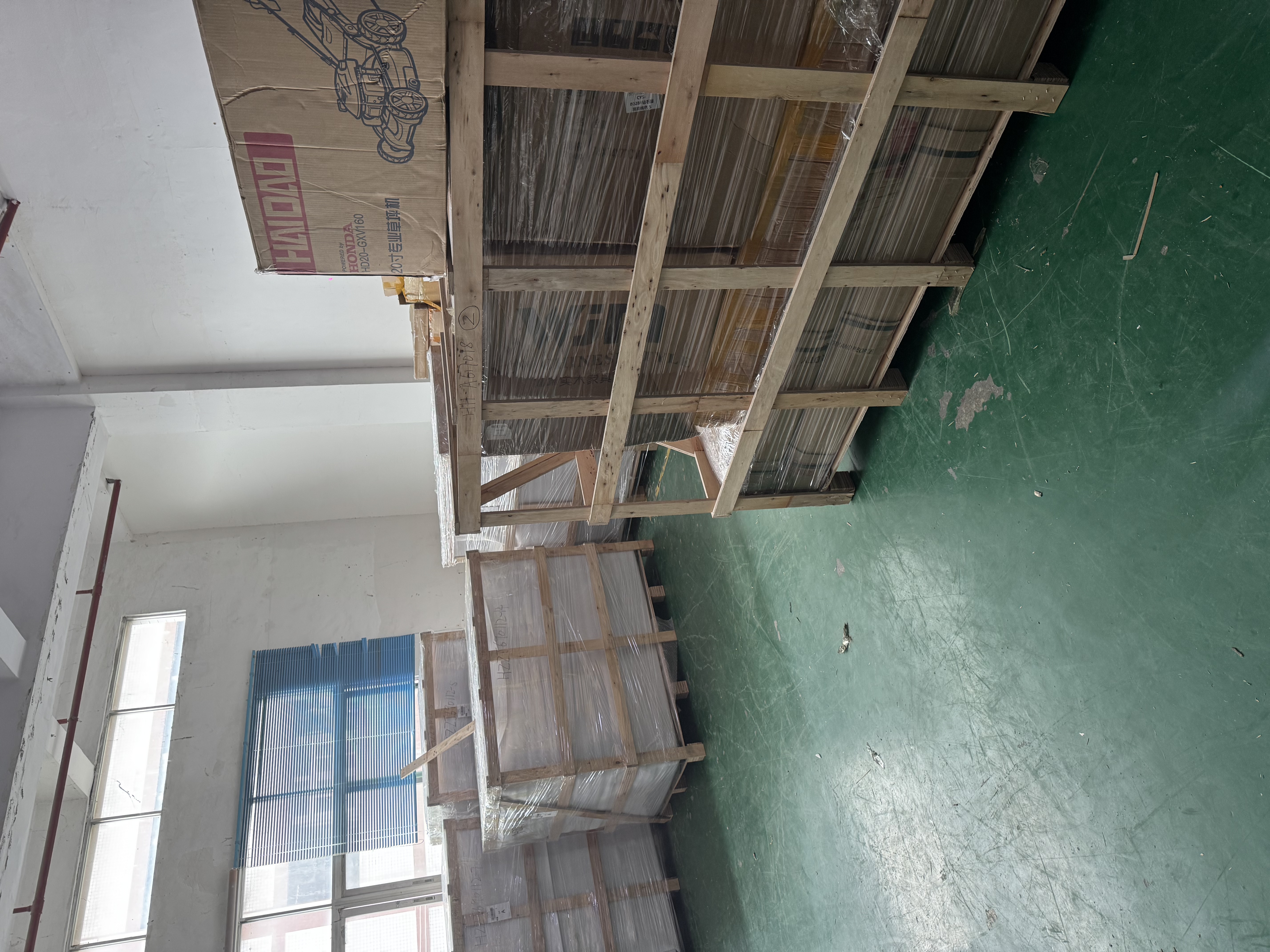
VI. Tips for a Smooth China - to - Perth Sea Freight
Proper Documentation: Ensure all your shipping and customs documents are accurate and complete. This includes commercial invoices, bills of lading, packing lists, and any required certificates.Insurance: Consider getting marine cargo insurance to protect your goods in case of loss or damage during transit.
Choosing the Right Logistics Provider: A reliable logistics provider like Shengda International Logistics can make a big difference. They have in - depth knowledge of the China - to - Australia route, can handle all the paperwork, and have established relationships with shipping lines and customs authorities.
VII. FAQ
Q: How long does it usually take for a sea freight shipment from China to Perth? A: On average, it takes roughly 20 - 25 days for a full container load (FCL) and 22 - 30 days for a less than container load (LCL). However, this can vary depending on factors like the shipping line, weather conditions, and port congestion.Q: What is the best way to avoid customs issues? A: Make sure you provide accurate information about the value, quantity, and nature of your goods. Have all the necessary certificates and documentation ready. Working with a professional logistics provider can also help you navigate complex customs regulations. For example, Shengda International Logistics has a team of experts who are well - versed in Australian customs requirements and can guide you through the process.
Q: Can I track my shipment? A: Yes, most shipping lines and logistics providers offer tracking services. You'll be given a tracking number, which you can use to check the status of your shipment on the provider's website or app.
Q: What if my goods are damaged during transit? A: That's why it's important to have marine cargo insurance. If your goods are insured, you can file a claim with the insurance company. Also, make sure to document the damage as soon as possible upon arrival. A good logistics provider can also assist you in the claims process.
Q: How can I choose the right shipping method (FCL or LCL)? A: If you have a large quantity of goods that can fill a container, FCL is usually a better option as it offers more security and potentially faster transit times. If you have a smaller quantity, LCL is more cost - effective. You can also consult with your logistics provider to determine the best option based on your specific needs.
In conclusion, understanding the ins and outs of China - to - Perth sea freight in 2026 is crucial for Australian small business owners, importers, and e - commerce sellers. By being aware of the policies, choosing the right shipping options, and working with a reliable logistics provider, you can ensure a smooth and successful import process.
