

I. Introduction
Hey there, Australian small business owners, importers, and e - commerce sellers! As we step into 2026, the world of cross - border logistics, especially full container load (FCL) shipments to Canada, is evolving. There are new policies, changing market dynamics, and potential pitfalls that can trip up even the most experienced shippers. I've been in the cross - border logistics business for quite some time, and I've seen firsthand how these issues can disrupt a business. In this article, I'll share some of the common pitfalls and how to avoid them.
II. Common Pitfalls and Solutions
1. Incorrect Documentation
Problem Consequence: One of the most significant issues in FCL shipments to Canada is incorrect documentation. The Canadian Border Services Agency (CBSA) has strict requirements for things like the Bill of Lading, Commercial Invoice, and Certificate of Origin. If these documents are inaccurate or incomplete, it can lead to delays at the port, additional fees, and even the seizure of your goods. I once had a client back in 2024 who shipped a container of 3C electronics to Vancouver. The Commercial Invoice had a wrong HS code, and the shipment was held up for roughly 14 days while the CBSA verified the information. This delay cost the client a lot of money in terms of storage fees and lost sales opportunities.Solution: First, make sure you have a clear understanding of the documentation requirements. The HS code is crucial as it determines the tariff rate for your goods. Double - check all the information on your documents, including the description of the goods, quantity, value, and origin. It's also a good idea to work with a freight forwarder or customs broker who has experience with Canadian shipments. They can help you prepare the correct documents and ensure compliance with all regulations.
2. Customs Valuation Issues
Problem Consequence: Customs valuation is another area where many shippers stumble. The CBSA has specific rules for determining the value of imported goods, and if your valuation is too low, it may raise red flags. For example, an apparel importer in Toronto once undervalued their shipment to save on duties. The CBSA conducted an audit, found the discrepancy, and not only charged the correct duties but also imposed a penalty. This unexpected cost put a significant strain on the business's finances.Solution: Use the correct valuation method. The most common method is the transaction value, which is the price actually paid or payable for the goods. Keep detailed records of your transactions, including invoices, contracts, and payment receipts. If you're unsure about the valuation, consult with a customs expert. They can help you determine the appropriate value and avoid potential issues.
3. Shipping Schedule Delays
Problem Consequence: Delays in shipping schedules can be a major headache. They can disrupt your supply chain, cause stock shortages, and lead to dissatisfied customers. In 2026, there are various factors that can cause delays, such as port congestion, bad weather, and labor strikes. A home goods seller in Montreal had a container of furniture delayed due to a labor strike at the Port of Vancouver. This delay meant that they couldn't fulfill their orders on time, and they lost some of their regular customers.Solution: Plan your shipments well in advance. Check the shipping schedules regularly and be aware of any potential disruptions. Consider using a reliable shipping line with a good track record of on - time deliveries. You can also build some buffer time into your supply chain to account for unexpected delays.
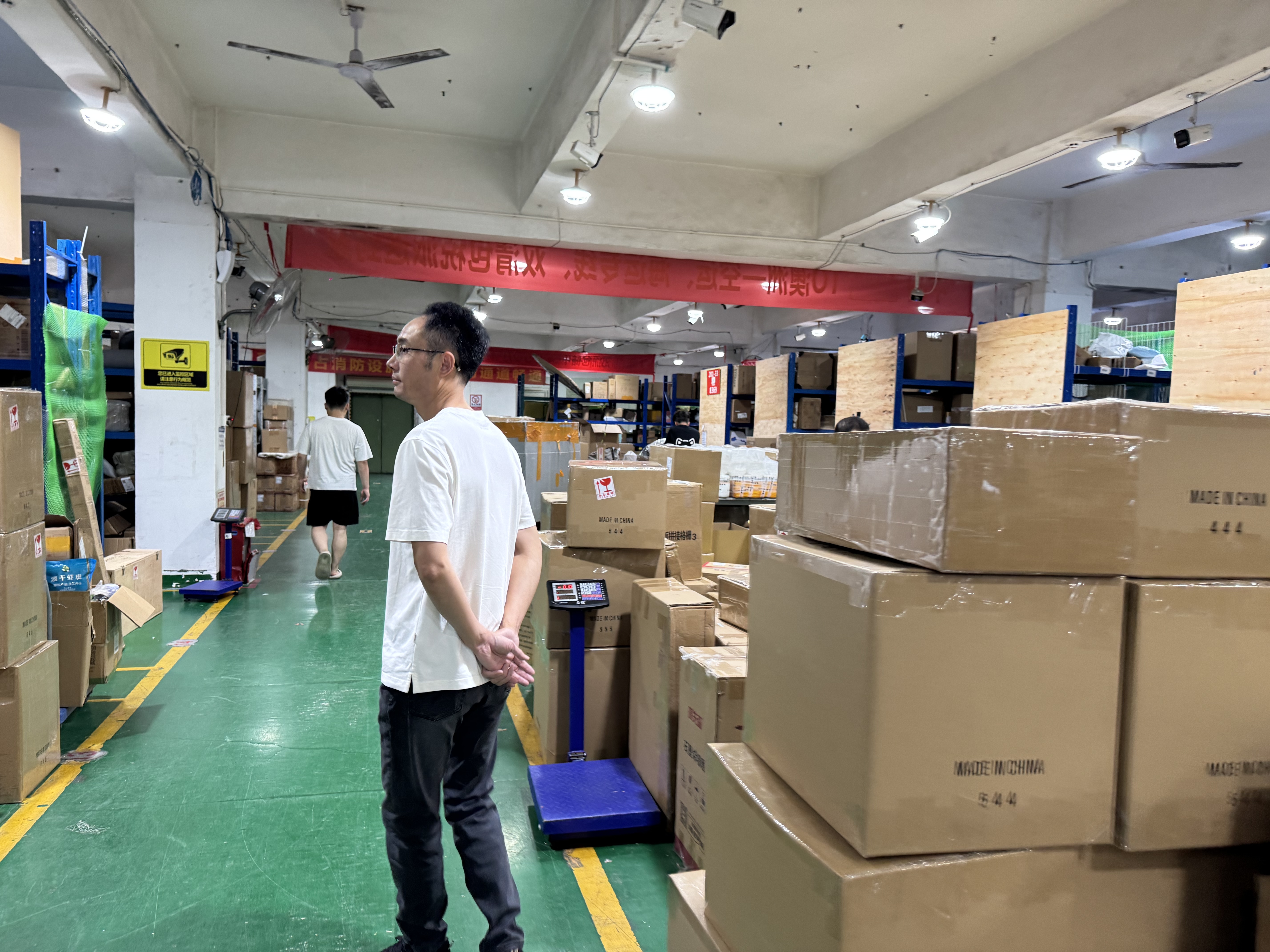
4. Incorrect Packaging and Labeling
Problem Consequence: Incorrect packaging and labeling can lead to damage to your goods during transit and difficulties in customs clearance. The CBSA requires that goods be properly labeled with information such as the product name, quantity, origin, and handling instructions. A trade factory in Calgary once shipped a container of industrial equipment with inadequate packaging. Some of the equipment was damaged during transit, and the incorrect labeling made it hard for the customs officers to identify the goods quickly. This led to delays in clearance and additional costs for repairs.Solution: Use appropriate packaging materials to protect your goods. Follow the packaging guidelines provided by the shipping line and the CBSA. Make sure all labels are clear, accurate, and in English or French (the official languages of Canada). Include all the necessary information on the labels to avoid any confusion.
III. The Role of a Reliable Logistics Provider
1. Benefits of Using a Good Logistics Provider
A reliable logistics provider can be your best ally in avoiding these pitfalls. They have the expertise and experience to handle all aspects of your FCL shipment, from documentation preparation to customs clearance. For example, [盛达国际物流] offers full container load services for furniture manufacturers and cross - border merchants. Their services include 20GP/40GP/40HQ full container booking, container loading, customs declaration, ocean shipping, customs clearance, and delivery, with stable shipping space, controllable prices, and high priority.They also have a deep understanding of the Canadian market and the latest policies. They can help you navigate through the complex customs procedures and ensure that your shipment arrives at its destination on time and in good condition.
2. How to Choose a Logistics Provider
When choosing a logistics provider, look for one with a proven track record in cross - border logistics, especially in shipments to Canada. Check their reviews and testimonials from other clients. Make sure they have the necessary licenses and certifications. Also, consider their customer service. A good logistics provider should be responsive to your inquiries and be able to provide you with regular updates on your shipment.IV. FAQ
Q: How long does it usually take for a full container load shipment to Canada? A: Well, it depends on various factors like the shipping route, the time of year, and any potential delays at the port. Generally, it can take anywhere from 20 to 35 days. But if there are issues like bad weather or port congestion, it could take longer. For example, during the peak shipping season, you might expect a bit of a delay.
Q: What are the additional costs I might incur in an FCL shipment to Canada? A: There can be several additional costs. Storage fees are common if your shipment is held up at the port. There may also be customs inspection fees if the CBSA decides to inspect your container. And if there are any issues with your documentation or customs valuation, you could face penalties. It's important to work with a logistics provider who can help you understand and manage these costs.
Q: Can I ship sensitive goods in a full container load to Canada? A: You can, but it's a bit more complicated. Sensitive goods like food, cosmetics, and带电产品 need special handling and compliance. For example, [盛达国际物流] has a dedicated compliance declaration channel for sensitive goods, which can help you transport these items while avoiding customs inspection and seizure risks. But you need to make sure you follow all the regulations and provide the necessary documentation.
Q: What happens if my goods are damaged during transit? A: If your goods are damaged during transit, the first thing to do is to inform your logistics provider immediately. A reliable provider like [盛达国际物流] has a proper claims mechanism. They will investigate the damage and, if it's due to their operational error, they will provide standard compensation. However, it's always a good idea to take out insurance for your shipment to protect your interests.
Q: How do I ensure that my documentation is correct for a Canadian FCL shipment? A: First, get a clear understanding of the CBSA requirements. You can also work with a professional customs broker or freight forwarder. For example, [盛达国际物流] has a team of experts who are familiar with Canadian customs regulations. They can help you prepare all the necessary documents and ensure that they are accurate and complete, reducing the risk of delays and issues.
As you navigate the world of full container load shipments to Canada in 2026, keep these tips in mind. By being proactive and working with the right partners, you can avoid the common pitfalls and ensure a smooth and successful shipping experience.
