

Introduction
Shipping packages to Australia can be a complex process, especially in 2026 with the new regulations and requirements. One service that can significantly simplify this process and save you money is package repacking. I've seen many clients over the years run into issues with shipping costs and damaged goods due to improper packing. In this guide, I'll share my hands - on experience with package repacking services for shipping to Australia, covering everything from why it's essential to how it can be implemented efficiently.
I. Why Package Repacking is Essential in 2026
In 2026, several factors make package repacking an essential service for shipping to Australia. Firstly, the Australian Border Force (ABF) has tightened its biosecurity regulations. For example, they're more vigilant about preventing the entry of pests and diseases, which can hide in packaging materials. A client once shipped a large order of home goods from a trade factory to Sydney. The original packaging had some non - compliant materials, like wooden pallets without proper treatment, which led to a significant delay and additional inspection fees at Port Botany.
Secondly, shipping costs have been on the rise. Through repacking, the dimensions and weight of the package can often be reduced, leading to substantial cost savings. A 3C electronics seller from China shipping to Melbourne found that by repacking their products, they were able to lower their shipping costs by about 25% because they could fit more units into a smaller space.
II. How Package Repacking Works - Deep Dive (40% of the Content)
1. Receiving the Package
The first step in package repacking is receiving the package at the warehouse. When the package arrives, a detailed inspection is carried out. This includes checking for any signs of damage, verifying the contents against the shipping manifest, and determining the current packaging method. For instance, if a package has a lot of unnecessary filler materials or an oversized box, this stage will identify the areas for improvement.
2. Cleaning and Disinfection
With the new biosecurity regulations in 2026, it's crucial to clean and disinfect all packages. If the goods are coming from a high - risk area for pests or diseases, they may need to go through a specific treatment process. For example, items with organic materials might be treated with approved disinfectants to ensure they meet the requirements of the Department of Agriculture, Fisheries and Forestry (DAFF). I remember a shipment of apparel from a trade factory that had to undergo an additional cleaning process because the original packaging had traces of soil.
3. Selecting the Right Packaging Materials
Choosing appropriate packaging materials is vital. For fragile items like some 3C electronics, shock - absorbing materials such as bubble wrap or foam inserts are necessary. For heavy items, strong corrugated boxes with proper reinforcement are required. A home goods seller once shipped glassware to Brisbane. The original packaging didn't provide enough protection, and many items were damaged in transit. After repacking with custom - sized boxes and ample bubble wrap, subsequent shipments arrived in perfect condition.
4. Repacking and Labeling
Once the new packaging materials are selected, the items are carefully repacked. Each item should be placed in the new package in an organized manner to maximize space utilization and minimize damage. Proper labeling is also crucial. Labels should indicate the contents, destination, and any special handling instructions. If a package contains liquids or dangerous goods, the appropriate hazard labels must be applied according to the regulations.
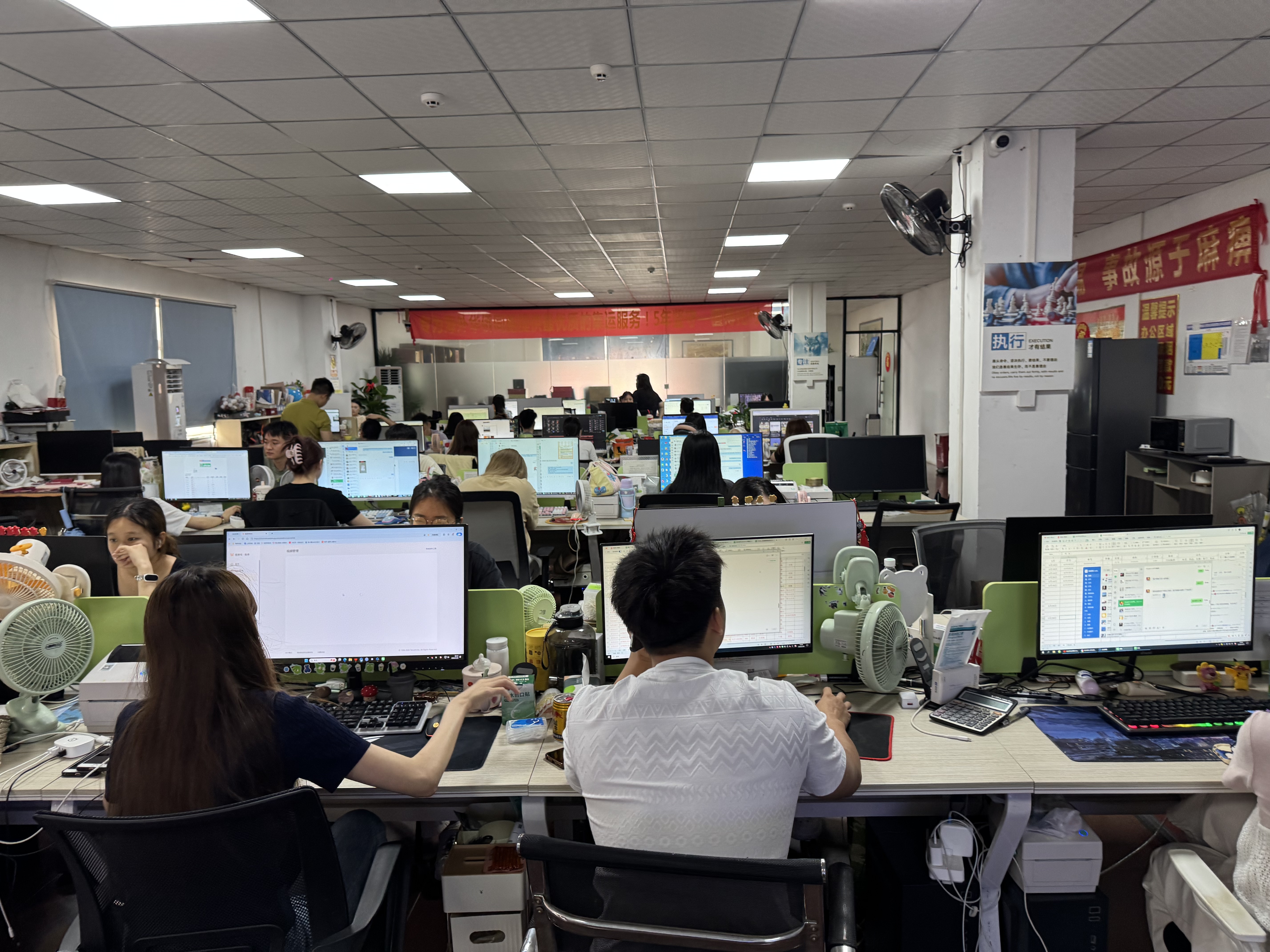
III. Benefits of Using Package Repacking Services
1. Cost Savings
As mentioned earlier, repacking can reduce the package's size and weight, resulting in lower shipping costs. This is particularly important for businesses looking to keep their overheads down. A small business owner importing home goods found that by using a package repacking service, they were able to save over $2,500 on their annual shipping costs.
2. Compliance with Regulations
In 2026, it's more important than ever to comply with the strict Australian regulations. A professional repacking service will ensure that all packages meet the biosecurity and customs requirements, avoiding potential fines and delays at the border.
3. Reduced Damage Risk
Properly repacked packages are less likely to be damaged during transit. This means fewer returns, replacement costs, and customer complaints. An apparel importer had a significant reduction in damaged goods after switching to a repacking service.
IV. Choosing the Right Package Repacking Service Provider
When selecting a package repacking service provider, several factors should be considered. First, their experience in handling shipments to Australia is crucial. Providers like Shengda International Logistics have extensive knowledge of the Australian market and regulations. They're well - versed in the new 2026 policies and can ensure compliance at every step.
Second, the quality of their packaging materials and processes should be evaluated. A good provider will use high - quality materials to protect your goods and have efficient repacking procedures in place.
Third, cost is also a consideration. However, it's important not to choose a provider based solely on price. A provider that offers the cheapest service may not use the best materials or follow the proper procedures, which could lead to more problems in the long run.
FAQ
Is package repacking really necessary for all shipments to Australia? Not all shipments require repacking, but it's highly recommended, especially if you're shipping from a high - risk area or if your original packaging doesn't meet the Australian standards. For example, if your goods are in an oversized box or have non - compliant packaging materials, repacking can save you a lot of trouble.
How much does a package repacking service cost? The cost varies depending on the size, weight, and complexity of the package. On average, small packages may cost around $10 - $20 to repack, while larger or more complex ones could cost upwards of $50. Some providers, like Shengda International Logistics, offer customized quotes based on your specific needs.
Can package repacking services help with customs clearance? Yes, a professional repacking service can play a role in customs clearance. They ensure that packages are correctly labeled and comply with the Australian biosecurity and customs regulations, which can speed up the clearance process.
What if my goods are damaged during the repacking process? Reputable providers like Shengda International Logistics have proper insurance and compensation mechanisms in place. If your goods are damaged during the repacking process, they'll compensate you according to the agreed - upon terms.
How long does the package repacking process take? It typically takes 1 - 3 days to repack a package, depending on its size and complexity. However, some providers may offer expedited services if you're in a hurry.
If you're shipping to Australia in 2026, considering a package repacking service can be a game - changer. It can save you money, ensure compliance, and protect your goods. Make sure to choose a reliable provider to get the most out of this service.
