

I. Introduction
As an experienced practitioner in cross - border logistics between China and Australia, I often see Australian small business owners, importers, and e - commerce sellers facing numerous challenges when shipping furniture from China. With the implementation of the 2026 Australian ABF (Australian Border Force) new policies, the process has become even more complex. In this article, I'll share some real - life experiences and practical solutions to help you avoid these common pitfalls.
I recall back in 2024, a client who was an apparel importer in Sydney decided to diversify his business by importing some home furniture from China. He didn't fully understand the rules and regulations of cross - border furniture shipping. As a result, his shipment was delayed at the Port Botany, and he incurred a lot of additional costs. This is just one of the many cases where lack of knowledge led to problems.
II. Common Pitfalls and Solutions
1. Incorrect Documentation (35% of cases)
Documentation is the cornerstone of cross - border shipping. In 2026, ABF has tightened its requirements for furniture imports. For instance, a detailed Bill of Lading (B/L) is essential. It should accurately describe the furniture, including the quantity, material (like whether it's solid wood, plywood), and value.
A home goods seller in Melbourne once provided incomplete information on the B/L. The description of the wooden furniture was too vague, and the value was underestimated. When the shipment reached the Port of Melbourne, it was held for further inspection by the ABF. The inspection process took about 10 days, and the seller had to pay for additional storage fees. The final outcome was that the business not only faced delays in restocking but also lost potential customers due to the unavailability of products.
Solution: Always double - check your documents. Work closely with your logistics partner to ensure all information is accurate. Use the correct HS codes (Harmonized System codes) for furniture. For example, solid wood furniture usually has a different HS code from furniture with a metal frame.
2. Biosecurity Risks (25% of cases)
Australia has strict biosecurity regulations. Furniture made of wood or other natural materials can carry pests, diseases, or invasive species. In 2026, these regulations are being more strictly enforced.
A trade factory in Brisbane was exporting a large batch of wooden chairs to Australia. They didn't properly treat the wood for pests. As a result, when the shipment arrived at the port, it was quarantined by the Department of Agriculture, Fisheries and Forestry (DAFF). The wood had to undergo fumigation and treatment, which cost the factory a significant amount of money and caused a delay of nearly 2 weeks.
Solution: Ensure that all wooden furniture is properly treated. This may involve fumigation, heat treatment, or other approved methods. Obtain the necessary phytosanitary certificates to prove that the furniture meets Australia's biosecurity standards.
3. Shipping Method Selection (20% of cases)
Choosing the wrong shipping method can lead to higher costs and longer delivery times. For large - scale furniture imports, the choice between Full Container Load (FCL) and Less than Container Load (LCL) is crucial.
An e - commerce seller in Sydney once chose LCL for a relatively large order of furniture. Due to the shared container, there were multiple stops and delays at different ports. The delivery time was much longer than expected, and there were also some minor damages to the furniture during the handling process.
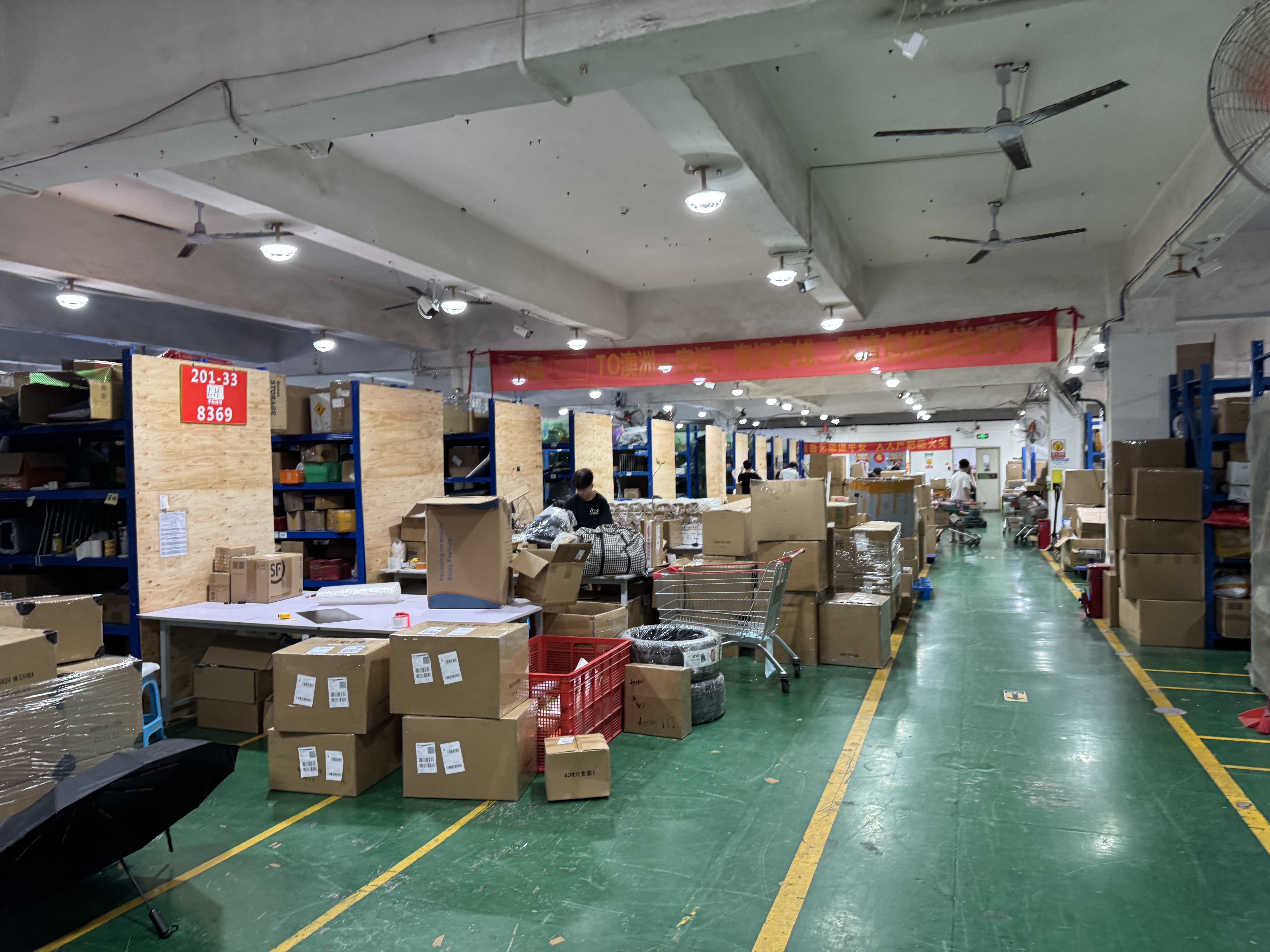
Solution: If you have a large quantity of furniture, FCL is usually a better option. It offers more direct shipping routes, less handling, and lower risk of damage. However, if your order is small, LCL may still be a cost - effective choice, but be aware of the potential delays.
4. Cost Estimation Errors (20% of cases)
Many importers miscalculate the total cost of shipping furniture. In addition to the shipping fee, there are also customs duties, taxes, and potentially additional fees such as storage fees and inspection fees.
A 3C electronics seller in Melbourne decided to expand his product line by importing some high - end furniture. He only considered the shipping cost quoted by the logistics provider and didn't account for the high customs duties on luxury furniture. When the furniture arrived, he was shocked by the additional costs, which affected his profit margin.
Solution: Before shipping, get a detailed cost breakdown from your logistics provider. Factor in all possible costs, including customs duties, which are calculated based on the value and type of furniture. Use online customs duty calculators or consult with a customs broker.
III. The Role of a Reliable Logistics Partner
A reliable logistics partner like Shengda International Logistics can make a huge difference in your furniture shipping process. With 40 - plus full - time professionals having over 10 years of international shipping experience, they have the expertise to handle all aspects of cross - border logistics.
They offer a one - stop service, including pick - up from the Chinese factory, shipping, customs clearance, and door - to - door delivery. They also have a 35,000 - square - meter standardized self - operated warehouse in Shenzhen, ensuring the safety of your furniture during storage.
IV. FAQ
Q: How long does it usually take to ship furniture from China to Australia? A: It depends on the shipping method. For FCL, it generally takes around 18 - 25 days. LCL may take a bit longer, usually 25 - 35 days. But these are just estimates, and delays can occur due to various factors like bad weather or port congestion.
Q: Are there any restrictions on the type of furniture I can import from China? A: Yes, there are. As mentioned, furniture made of natural materials needs to meet biosecurity standards. Also, some endangered wood species are strictly prohibited. Shengda International Logistics can help you check whether your furniture meets all the requirements.
Q: What if my furniture is damaged during shipping? A: If you choose a reliable partner like Shengda International Logistics, they have a standardized claims mechanism. They will assess the damage and provide compensation according to the agreed terms.
Q: Can I track the status of my furniture shipment? A: Sure. With Shengda International Logistics' self - developed intelligent shipping system, you can track the entire process, from warehousing to delivery. You'll know exactly where your furniture is at any time.
Q: How can I ensure my furniture passes customs smoothly? A: Provide accurate documentation, ensure your furniture meets all relevant regulations, and work with an experienced logistics partner. They can guide you through the customs clearance process and handle any issues that may arise.
Shipping furniture from China to Australia in 2026 may seem daunting, but with the right knowledge and a reliable logistics partner, you can avoid these common pitfalls and ensure a smooth and successful shipping process.
