

I. Introduction
Hey there, Canadian e - commerce sellers! In 2026, the landscape of China - Canada cross - border logistics is evolving rapidly. You might have faced issues like high costs, long delivery times, or customs hassles in the past. But don't worry, I've been in the cross - border logistics trenches for years, and I'm here to share some valuable insights.
II. Key Policy Changes in 2026
Customs Regulations The Canadian Border Services Agency (CBSA) has tightened its regulations in 2026. For instance, the requirements for eManifest have become more stringent. Sellers need to provide more detailed information about their shipments, including product descriptions, values, and origins. I remember a client last month who didn't fill out the eManifest correctly. His shipment was held up at the port for nearly a week, causing delays in his online store's deliveries.There are also new rules regarding the classification of goods using HS codes. Incorrect classification can lead to over - or under - payment of duties, so it's crucial to get it right.
Food Safety Regulations The Canadian Food Inspection Agency (CFIA) has updated its food safety regulations. If you're selling food products from China to Canada, you need to ensure that your suppliers meet the new Canadian standards. This includes proper labeling, ingredient declarations, and compliance with food safety protocols. A 3C electronics seller might think this doesn't apply to them, but if they also sell some snack items as part of their product range, they're still affected.
III. Advantages and Disadvantages of China - Canada Cross - border Logistics
Advantages Cost - effectiveness: Shipping from China is often more cost - effective than sourcing from other regions. For home goods sellers, the ability to get products at a lower cost from Chinese manufacturers can significantly increase profit margins. For example, a set of home decor items might cost 30% less to source from China compared to Canada.Diverse Product Selection: China offers a vast range of products. Whether you're an apparel importer looking for the latest fashion trends or a 3C electronics seller in need of new gadgets, you can find a wide variety of options in China.
Disadvantages Longer Shipping Times: On average, shipping from China to Canada can take roughly 14 - 25 days by sea. This can be a problem if you're trying to meet tight customer deadlines. I once had an apparel importer who ordered a new collection for a seasonal sale. Due to a delay in shipping, the products arrived a week after the sale started, resulting in lost sales.
Customs Risks: As mentioned earlier, customs regulations are complex. There's a risk of your goods being held, inspected, or even confiscated if they don't meet the requirements.
IV. Choosing the Right Logistics Service Provider (Deep - Dive Section, 40% of the Article)
Factors to Consider Service Range: Look for a provider that offers a comprehensive range of services. For example, if you're a small business owner who might ship both small parcels and large orders in the future, you need a company that can handle both. A good service provider should offer services like air freight for urgent orders, sea freight for large volumes, and customs clearance assistance.Cost: While cost shouldn't be the only factor, it's important. Compare the pricing structures of different providers. Some might offer a flat - rate fee, while others might charge based on weight, volume, or a combination of both. Make sure to ask about any hidden fees, such as fuel surcharges or handling fees.
Reputation and Experience: Check online reviews and ask for references from other e - commerce sellers. A company with a good reputation is more likely to provide reliable service. For example, [盛达国际物流] has been in the industry for a while and has a team of 40 - plus professionals with over 10 years of experience in international shipping. They've handled various types of shipments, from small electronics to large furniture, and have a high success rate in getting goods through customs smoothly.
Technology and Tracking: In today's digital age, it's important to have real - time tracking of your shipments. A logistics provider with a good technology platform can help you monitor the status of your goods from the moment they leave the supplier in China until they reach your warehouse in Canada. This transparency can help you manage your inventory better and keep your customers informed.
Case Study: [盛达国际物流] Specific Scenario: An apparel importer in Toronto was facing issues with their previous logistics provider. The shipments were often delayed, and there were problems with customs clearance. The importer was losing customers due to late deliveries.
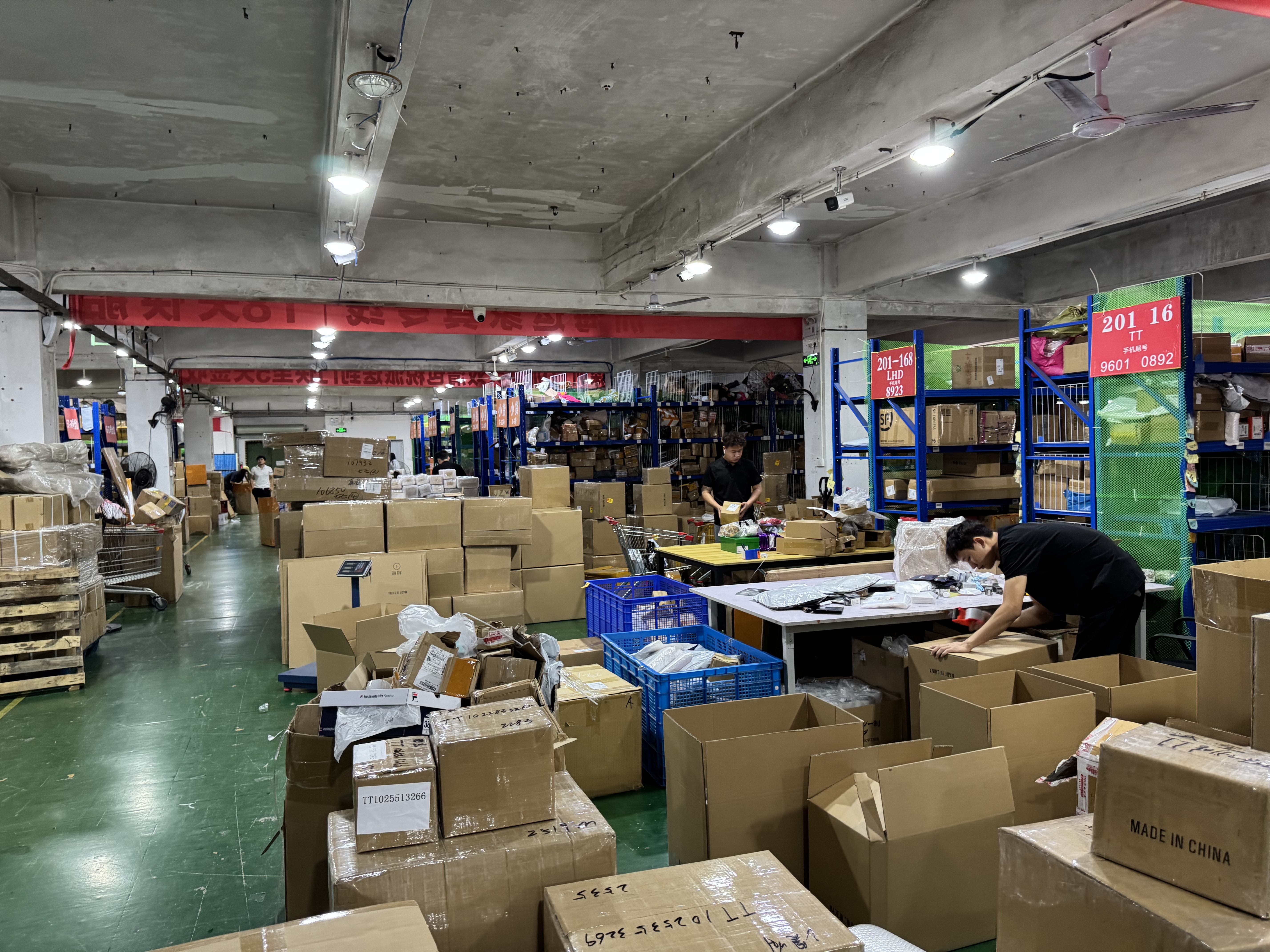
Problem Encountered: The previous provider had a complex pricing system with hidden fees, and they didn't have a good understanding of the new Canadian customs regulations in 2026. As a result, many of the importer's shipments were held up at the border.
Final Outcome: The importer switched to [盛达国际物流]. [盛达国际物流] offered a transparent pricing model with no hidden fees. They used their in - depth knowledge of the customs regulations to ensure smooth clearance. The importer's shipments started arriving on time, and they were able to regain their customers' trust.
V. Shipping Methods and Their Suitability
Air Freight Advantages: It's the fastest option, with an average delivery time of 7 - 12 days. This is ideal for small, high - value items or urgent orders. For 3C electronics sellers, air freight can ensure that the latest gadgets reach the Canadian market quickly.Disadvantages: It's more expensive than sea freight. The cost per kilogram can be 3 - 5 times higher than sea freight, which can eat into your profit margins if you're shipping large volumes.
Sea Freight Advantages: It's cost - effective for large shipments. Shipping a 20 - foot container from a Chinese port to the Port of Vancouver can cost around $2,000 - $3,000, depending on the season and market conditions. This makes it a great option for home goods sellers or trade factories shipping large quantities of products.
Disadvantages: As mentioned earlier, it has longer shipping times. There's also a higher risk of damage during transit, especially if the goods aren't properly packed.
VI. FAQ
What are the main challenges of shipping from China to Canada in 2026? Well, the main challenges are the new customs regulations, which can be quite complex. There's also the issue of longer shipping times, especially for sea freight, and the risk of customs inspections and delays. But with the right logistics partner, you can navigate these challenges more easily.How can I reduce the shipping costs? One way is to choose the right shipping method based on your product type and volume. If you're shipping large volumes, sea freight is usually more cost - effective. You can also try to consolidate your shipments to reduce the per - unit cost. And make sure to work with a logistics provider that offers transparent pricing and no hidden fees, like [盛达国际物流].
What should I do if my goods are held at customs? First, don't panic. Contact your logistics provider immediately. They should have experience dealing with customs issues and can help you resolve them. Provide them with all the necessary documentation, such as the invoice, packing list, and eManifest. In most cases, the issue can be resolved within a few days.
Is it better to use a large logistics company or a smaller, specialized one? It depends on your needs. Large logistics companies might have more resources and a wider network, but they can also be less flexible. Smaller, specialized companies like [盛达国际物流] focus on specific routes, in this case, the China - Canada route. They have in - depth knowledge of the local regulations and can provide more personalized service, which can be a big advantage for small e - commerce sellers.
Can I ship sensitive goods, such as electronics with batteries, from China to Canada? Yes, but you need to use a logistics provider that has a dedicated channel for sensitive goods. For example, [盛达国际物流] has a sensitive goods compliance专线 that can handle items like electronics with batteries. They'll ensure that all the necessary safety and regulatory requirements are met to avoid any issues at customs.
In the end, as a Canadian e - commerce seller, staying informed about the latest developments in China - Canada cross - border logistics and choosing the right partners will be key to your success in 2026. Keep an eye on the policy changes, evaluate your shipping options carefully, and don't hesitate to ask for help when you need it.
