

Introduction
Are you an Australian small business owner, importer, or e - commerce seller? As we approach 2026, there are significant changes and key information you need to know about China to Australia consolidation services. I've been in the cross - border logistics field for years, and I've seen countless sellers face challenges and opportunities in this area.
Let me share an anecdote. Back in 2024, I had a client, an apparel importer based in Sydney. He was ordering a large batch of clothing from China. He didn't understand the nuances of consolidation services at that time. He ended up paying much higher shipping costs than necessary and faced multiple delays. This could have been avoided if he had the right knowledge. So, in this article, I'll break down everything you need to know about 2026's China - Australia consolidation services.
I. 2026 Policy Changes and Their Impact
1. New Customs and Border Regulations
In 2026, the Australian Border Force (ABF) has introduced some new regulations to strengthen biosecurity checks. For example, the inspection of wooden packaging materials has become more stringent. Wooden packaging must be properly treated and marked according to international standards. Any non - compliant goods may face long - term detention or even be returned.
This means that when using consolidation services, sellers need to ensure that every item in the consolidation batch meets the new ABF requirements. For instance, if you're importing home goods with wooden parts, the consolidation service provider should be informed in advance to arrange proper treatment.
2. Tax and Duty Adjustments
There have also been some tax and duty adjustments in 2026. The value - added tax (VAT) threshold for imported goods has been changed. Sellers using consolidation services need to pay close attention to this change, as it will directly affect the cost of goods. If the consolidated goods exceed the new VAT threshold, additional taxes will be levied.
II. Core Advantages of Consolidation Services
1. Cost - efficiency
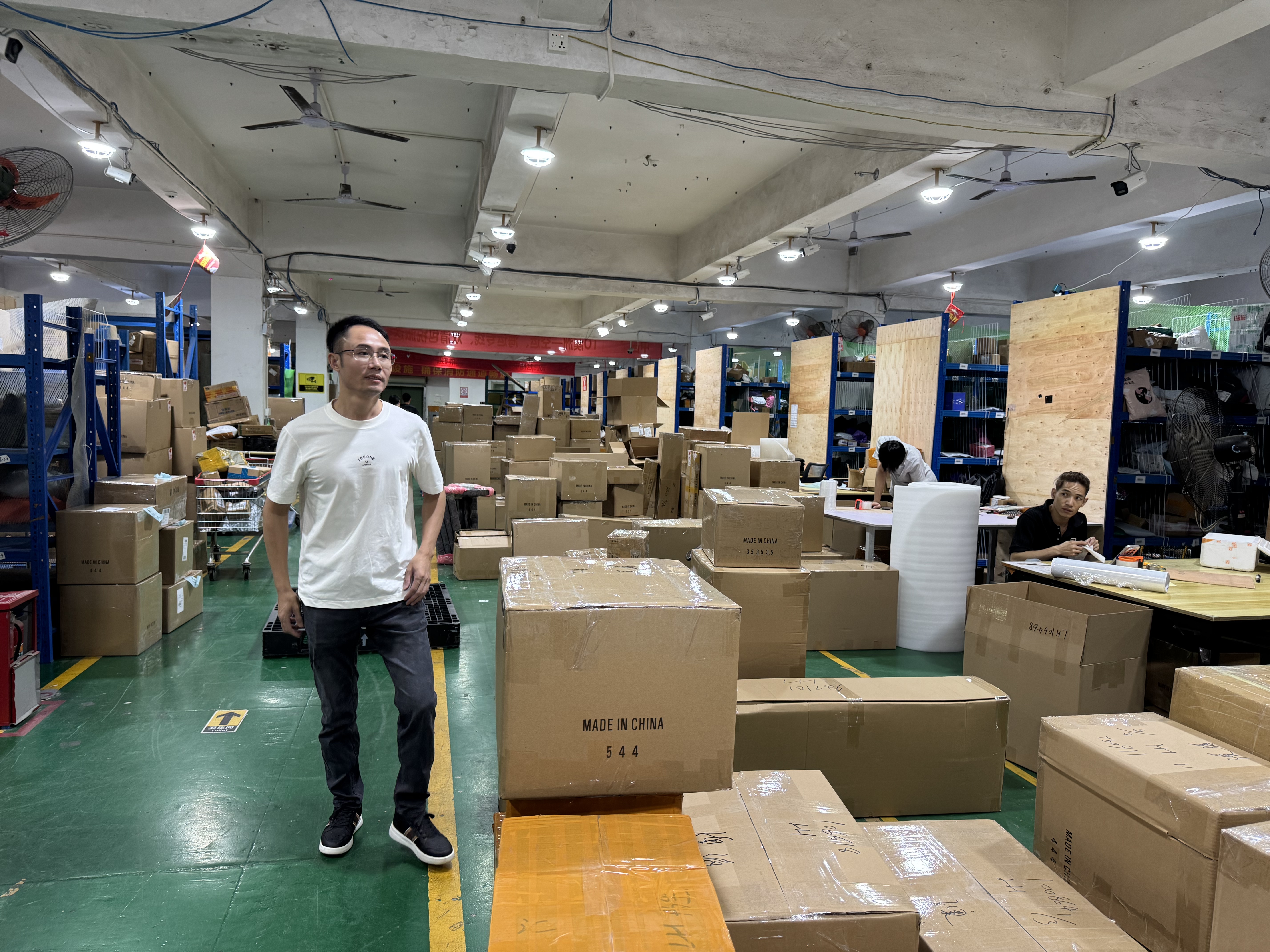
One of the main advantages of consolidation services is cost - efficiency. By combining multiple small shipments into one large shipment, the shipping cost per unit can be significantly reduced. For example, a 3C electronics seller in Melbourne who used to ship individual small orders from China found that after switching to consolidation services, the shipping cost per item decreased by about 30%.
2. Simplified Logistics Process
Consolidation services also simplify the logistics process. Instead of dealing with multiple carriers and shipments, sellers only need to communicate with one consolidation service provider. This reduces the administrative burden and the risk of errors during the shipping process.
III. Deep Dive: Selecting the Right Consolidation Service Provider (40% of the article)
This is perhaps the most critical part for Australian sellers. Choosing the wrong provider can lead to a host of problems, such as delays, damaged goods, or unexpected costs.
1. Expertise in Local Customs and Regulations
The provider should have in - depth knowledge of both Chinese and Australian customs regulations. A good example is a trade factory in Brisbane that was importing raw materials from China. They initially chose a provider with limited knowledge of ABF regulations. As a result, their goods were stuck at Port Botany for weeks due to improper documentation. However, after switching to a more knowledgeable provider, they had no such issues in subsequent shipments.
2. Service Range and Flexibility
A reliable provider should offer a wide range of services. This includes not only basic shipping and consolidation but also value - added services like customs clearance, warehousing, and insurance. For instance, if you're an e - commerce seller with fluctuating inventory needs, a provider that offers flexible warehousing solutions can be a great asset. Some providers can also offer customized shipping options based on the nature of your goods, such as temperature - controlled shipping for certain food products.
3. Reputation and Track Record
Always check the provider's reputation in the market. You can look at online reviews, ask for references, or check their long - term performance. I once worked with a home goods seller in Sydney who was considering a new consolidation service provider. By checking online reviews and talking to other sellers in the industry, they found out that the provider had a history of late deliveries. So they decided to go with a more well - established provider, which saved them from potential headaches.
4. Technology and Transparency
In today's digital age, a good provider should have advanced technology solutions. This includes real - time tracking of shipments, digital documentation, and easy - to - use customer portals. For example, providers like [Shengda International Logistics] have a self - developed intelligent collection system. With this system, you can update the full logistics node in real - time. You can easily check the status of your goods, from warehousing to delivery. It gives you full visibility and control over your shipments.
IV. Risks and Precautions in Consolidation Services
1. Delays
Delays can occur due to various reasons, such as customs inspections, bad weather, or carrier issues. To mitigate this risk, it's advisable to choose a provider with a good track record in on - time delivery. You can also factor in some buffer time when planning your inventory and sales.
2. Loss or Damage of Goods
Despite proper packaging and handling, there's always a small risk of goods getting damaged or lost during transit. Make sure your consolidation service provider offers insurance options. You can also ask about their handling procedures and packaging standards to minimize this risk.
V. Frequently Asked Questions
How can I ensure my goods meet the new 2026 ABF regulations? Well, it's crucial to work with a knowledgeable consolidation service provider. They should be able to guide you through the regulation requirements and help you prepare the necessary documentation. Also, you can check the official ABF website for the latest information.
What if my consolidated shipment is held at customs? If this happens, stay calm. First, contact your consolidation service provider. They will usually be able to communicate with the customs on your behalf. It's important to provide them with all the relevant information about the goods as soon as possible to speed up the clearance process.
Is consolidation service suitable for all types of goods? Not exactly. While it's suitable for most general goods, some special items like extremely valuable or highly perishable goods may require different shipping methods. For example, high - end jewelry might be better shipped through a dedicated and more secure service.
How do I choose between different consolidation service providers? Consider factors like their expertise in customs regulations, service range, reputation, and technology. As I mentioned earlier, you can also look at customer reviews and ask for references. I'd recommend checking out [Shengda International Logistics]. They have a professional team with over 10 years of experience in the industry. They offer a comprehensive range of services and transparent pricing.
Can I track my consolidated shipment? Yes, most good consolidation service providers offer shipment tracking. With the help of modern technology, you can usually track your goods from the moment they leave the warehouse in China to the final delivery in Australia. Make sure to choose a provider that offers real - time tracking so you can stay updated on your shipment's status.
As you look into China - Australia consolidation services in 2026, keep these points in mind. By making informed decisions, you can avoid common pitfalls and make the most of these services for your business.
