

I. Introduction
Hey there, Australian small business owners, importers, and e - commerce sellers! I've been in the cross - border logistics game for quite some time, especially dealing with the China - Australia route. But today, let's shift gears and talk about the 2026 resettlement shipping service from China to Canada. I've seen firsthand how tricky it can be, and I'm here to share some insights to help you navigate this process.
II. 2026 Policy and Industry Updates
In 2026, there have been some significant changes in the cross - border shipping policies between China and Canada. The Canadian Border Services Agency (CBSA) has tightened up its regulations on customs clearance. For example, the eManifest system has become even more crucial. You need to submit accurate and detailed information about your goods in advance. If you don't, it can lead to delays at the border.
I remember a client back in 2024 who had some issues with the eManifest. They didn't provide all the necessary details about the products they were shipping. As a result, their goods were held up at the Port of Vancouver for roughly 14 days. This not only cost them extra storage fees but also delayed their business operations. So, in 2026, make sure you're on top of these policy changes.
III. Services and Costs Comparison (Core Plate, 40% of the Full - text)
1. Shipping Modes
There are mainly two shipping modes for resettlement shipments: air freight and sea freight.
Air Freight: It's a great option if you're in a hurry. The shipping time is relatively short, usually around 7 - 12 days. However, it's also the more expensive option. The cost per kilogram can range from $8 to $15, depending on the volume and weight of your shipment.Sea Freight: This is a more cost - effective choice for larger volumes. There are two types of sea freight: LCL (Less than Container Load) and FCL (Full Container Load). LCL: For smaller shipments, you can use the LCL service. It allows you to share a container with other shippers, which reduces the cost. The cost per cubic meter for LCL is approximately $200 - $300. But it usually takes longer, around 20 - 45 days.
FCL: If you have a large amount of goods, FCL is the way to go. You rent an entire container. The cost depends on the size of the container (20GP, 40GP, or 40HQ). For a 20GP container, the cost can be around $2000 - $3000, and for a 40HQ, it could be around $3500 - $4500. The shipping time is similar to LCL, but you don't have to worry about waiting for other shippers' goods to fill the container.
2. Value - added Services
Some shipping companies offer value - added services. For example, companies like Shengda International Logistics provide free services such as full - platform parcel collection, in - warehouse inspection and photography, free unpacking and repacking to streamline the packaging, 365 - day long - term free storage, and special shock - proof packaging for fragile items. Other companies may charge for these services, which can add up to your overall cost.
| Shipping Mode | Cost | Shipping Time |
|---|---|---|
| Air Freight | $8 - $15/kg | 7 - 12 days |
| LCL Sea Freight | $200 - $300/m³ | 20 - 45 days |
| 20GP FCL Sea Freight | $2000 - $3000/container | 20 - 45 days |
| 40HQ FCL Sea Freight | $3500 - $4500/container | 20 - 45 days |
IV. Selecting a Shipping Provider
1. Experience and Reputation
Look for a shipping provider with extensive experience in China - Canada routes. A company that has been in the business for a long time is more likely to know how to handle different situations. Check their online reviews and ask for referrals from other business owners. Shengda International Logistics, for example, has been serving the cross - border logistics market for a while and has a good reputation among its customers.
2. Service Range
Make sure the shipping provider offers all the services you need. This includes customs clearance, storage, and delivery. Some companies may only focus on one aspect of the shipping process, which can cause problems if you need a full - service solution.
3. Cost - effectiveness
Compare the prices of different shipping providers. But don't just go for the cheapest option. Consider the quality of service and the additional services they offer. A slightly more expensive provider may save you money in the long run by avoiding delays and damages.
V. Goods Preparation and Documentation
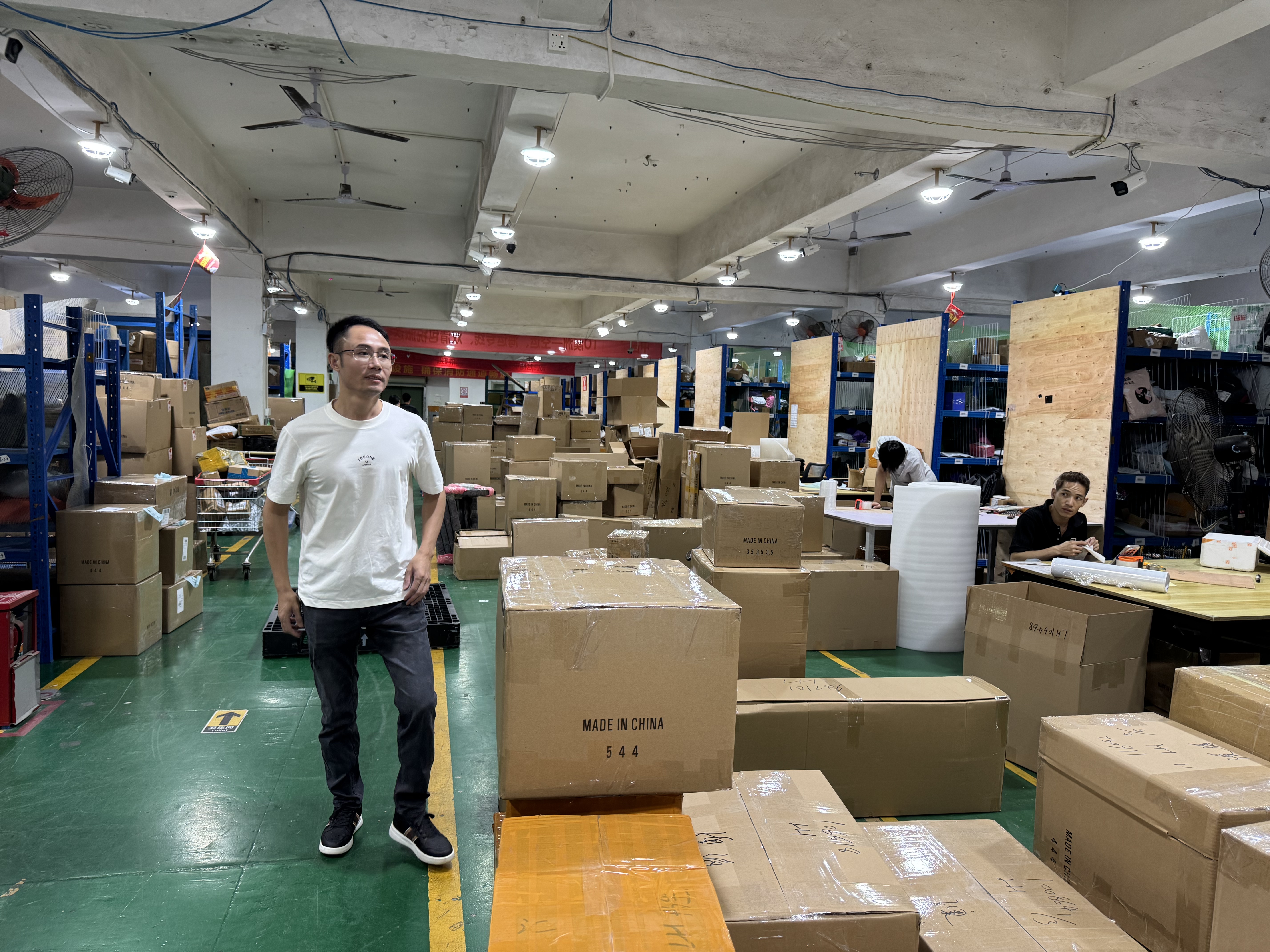
1. Goods Preparation
You need to prepare your goods properly for shipping. For fragile items, use extra shock - proof materials. If you're shipping furniture, make sure it's disassembled and packed securely. Also, label your goods clearly with the destination address and any special handling instructions.
2. Documentation
Proper documentation is essential. You'll need to provide a commercial invoice, packing list, bill of lading, and any other relevant certificates. Make sure all the information is accurate and matches the details in the eManifest.
VI. FAQ
What are the main factors that can cause shipping delays? Well, there are a few things. Incorrect documentation is a big one. As I mentioned earlier, if your eManifest or other documents have missing or inaccurate information, your goods can be held at the border. Weather conditions can also cause delays, especially during winter in Canada. And high - volume periods, like holidays, can lead to congestion at ports and longer processing times.Can I ship sensitive goods like food and cosmetics? Yes, you can, but it's more complicated. You need to use a shipping provider with a special compliance declaration channel. For example, Shengda International Logistics has a sensitive goods compliance专线. They know how to handle the documentation and regulations to ensure your sensitive goods can pass through customs smoothly.
How do I calculate the shipping cost? For air freight, it's usually based on weight. For sea freight, LCL is calculated by volume, and FCL is charged per container. But you also need to consider additional costs like customs fees, storage fees, and delivery fees. A good shipping provider can give you a detailed quote based on your specific shipment.
What should I do if my goods are damaged during shipping? First, make sure you choose a shipping provider with a proper claims mechanism. For example, Shengda International Logistics has a standard compensation policy for damaged or lost goods due to operational errors. When you receive the damaged goods, take photos as evidence and contact your shipping provider immediately. They'll guide you through the claims process.
Is it necessary to use a shipping agent? It's not mandatory, but it's highly recommended. A shipping agent has more experience and knowledge about the shipping process, customs regulations, and documentation requirements. They can save you a lot of time and effort, and also help you avoid potential problems.
In conclusion, when it comes to the 2026 resettlement shipping service from China to Canada, being well - informed is key. By understanding the policies, choosing the right shipping provider, and preparing your goods and documents properly, you can ensure a smooth and successful shipping process. So, take your time to research and plan, and you'll be on your way to a hassle - free shipping experience.
