

I. Introduction
As an Amazon seller engaged in China - Australia FBA shipping, I've witnessed numerous pitfalls over the years. In 2026, with new policies and market dynamics, it's crucial to be aware of what to avoid. I remember a client back in 2024 who was an apparel importer shipping from China to Sydney. He didn't pay attention to some key details, and it cost him a lot of time and money. So, let's dive into these common mistakes.
II. Incorrect Product Classification and HS Codes
The Problem One of the most common mistakes is misclassifying products and using incorrect HS codes. HS codes are used by customs to determine duties, taxes, and regulatory requirements. In 2026, the Australian Border Force (ABF) has tightened its scrutiny on HS code accuracy. For example, a 3C electronics seller might misclassify a new type of smartwatch as a regular watch, which has a different HS code. This can lead to incorrect duty calculations, delays at customs, and even fines.I once had a client who was shipping home goods from China to Melbourne. They used an outdated HS code for a particular type of decorative item. As a result, their shipment was held at Port of Melbourne for over a week while customs re - evaluated the classification and duty.
The Solution Sellers should invest time in researching the correct HS codes. They can consult official customs resources, such as the Australian customs website or hire a professional customs broker. Additionally, staying updated on any changes in HS code regulations is essential. Many e - commerce platforms also provide some guidance on common product classifications, but it's always best to double - check.
III. Ignoring Australian Biosecurity Requirements
The Problem Australia has strict biosecurity regulations to protect its unique ecosystem. In 2026, these regulations have become even more stringent. Products such as wooden items, food, and textiles made from natural fibers are subject to strict inspections. For instance, if a home goods seller ships wooden furniture without proper treatment, it may be rejected at the border.I recall a case where an apparel importer shipped a batch of cotton - based clothing from China to Brisbane. The clothing had traces of soil on it, which violated biosecurity rules. The entire shipment was quarantined, and the seller had to pay for additional cleaning and inspection costs.
The Solution Sellers need to understand what products are subject to biosecurity checks and what the requirements are. This may involve getting products treated, such as fumigating wooden items or providing certificates for food products. Working with a logistics provider that has experience in handling biosecurity - sensitive goods can also be very helpful.
IV. Inadequate Packaging and Labeling
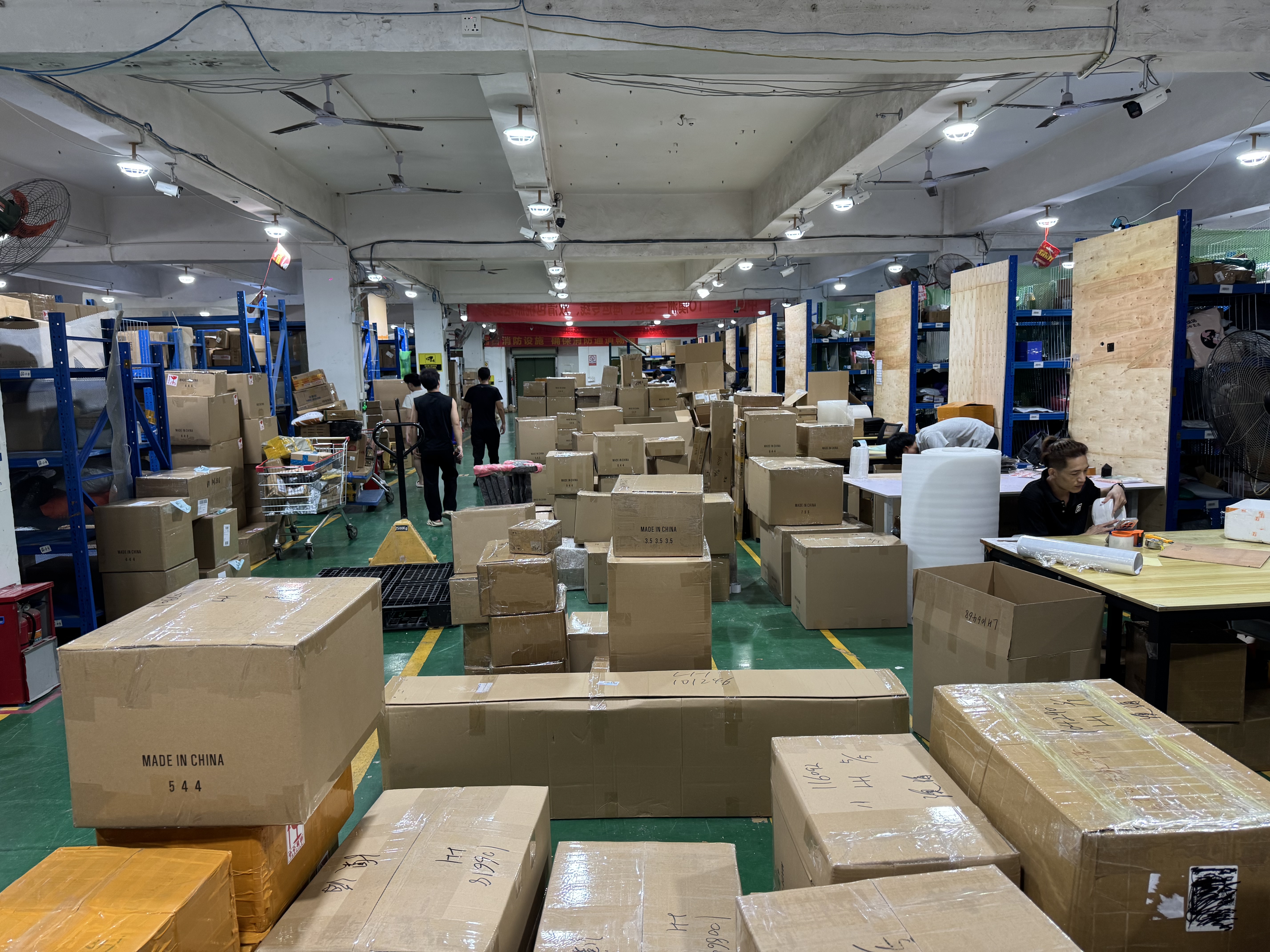
The Problem Poor packaging can lead to product damage during transit. In 2026, with the increase in shipping volumes, the risk of rough handling has also gone up. Moreover, incorrect or missing labels can cause confusion at customs and during the delivery process. For example, a 3C electronics seller might not label the fragile items properly, resulting in damaged products upon arrival.I had a client shipping home goods to Sydney. The packaging was not sturdy enough, and some of the glassware items were damaged in transit. Also, the labels on the boxes were smudged, making it difficult for the warehouse staff to identify the contents accurately.
The Solution Sellers should use appropriate packaging materials based on the nature of the products. For fragile items, use bubble wrap, foam, or other shock - absorbing materials. Labels should be clear, accurate, and include all necessary information, such as product description, quantity, and any special handling instructions.
V. Not Understanding Shipping Terms and Incoterms 2020
The Problem Many Amazon sellers are not fully aware of the implications of different shipping terms under Incoterms 2020. For example, if a seller chooses FOB (Free on Board) instead of DDP (Delivered Duty Paid), they may be responsible for more costs and risks during the shipping process. In 2026, with the complexity of the China - Australia shipping route, misunderstandings about these terms can lead to unexpected expenses and disputes.I worked with an apparel importer who thought they had chosen DDP but actually signed a contract with FOB terms. When the goods arrived at Port Botany, they were hit with unexpected customs duties and handling fees, causing financial strain.
The Solution Sellers should educate themselves about the different Incoterms 2020 and choose the one that best suits their business needs. It's also advisable to have clear and detailed contracts with their logistics providers, specifying all the responsibilities and costs associated with the shipping.
VI. Relying on a Single Shipping Provider
The Problem Depending on only one shipping provider can be risky. In case of any issues with that provider, such as strikes, capacity shortages, or financial problems, your shipments may be delayed or even canceled. In 2026, the shipping market is more volatile, so relying on a single source can put your business at a disadvantage.I know of a 3C electronics seller who used only one shipping company for all their China - Australia FBA shipments. When that company had a major operational issue, their shipments were at a standstill, and they lost a significant amount of sales during the peak season.
The Solution Sellers should consider having multiple shipping providers in their network. This gives them more flexibility and backup options in case of any problems with one provider. They can also compare prices and services among different providers to get the best deal.
VII. FAQ
Q: How can I ensure I'm using the correct HS code for my product? A: Well, it's a bit of work, but you can start by looking at the official Australian customs website. There are also industry databases that can be very helpful. If you're still unsure, it's worth hiring a professional customs broker. I've seen many sellers save a lot of trouble by doing this.Q: What should I do if my shipment is held at customs due to biosecurity issues? A: First, don't panic. Contact your logistics provider immediately. They usually have experience dealing with such situations. You may need to provide additional documentation or arrange for the necessary treatments. For example, if it's a wooden item, you might need to get it fumigated.
Q: Can I change the Incoterms after I've already signed a contract with a logistics provider? A: It's possible, but it can be tricky. You'll need to have a discussion with your provider. If both parties agree, you can amend the contract. However, there may be some additional costs or adjustments involved, so it's best to clarify all these details before making any changes.
Q: How do I choose the right packaging materials for my products? A: Consider the nature of your product. If it's fragile, like glassware or electronics, use materials like bubble wrap or foam. For heavier items, make sure the box is sturdy enough. You can also look at industry standards for packaging different types of products. And don't forget to test the packaging to ensure it can withstand the rigors of shipping.
Q: Is it really necessary to have multiple shipping providers? A: Absolutely! The shipping market is unpredictable. Having multiple providers gives you options. If one has a problem, you can quickly switch to another. It's like having a backup plan for your shipments, and it can save you a lot of headaches in the long run.
In the ever - changing landscape of China - Australia FBA shipping in 2026, being aware of these potential pitfalls and taking proactive steps to avoid them can make a huge difference in the success of your Amazon business. Keep these points in mind, and you'll be well on your way to smooth and efficient shipping operations.
