

I. Introduction
As a seasoned player in the cross - border logistics field with a wealth of hands - on experience in China - Canada shipping, I've witnessed numerous businesses face challenges in consolidation shipping. In 2026, new policies and market dynamics have added more complexity to the process. Let me share some common pitfalls and how to dodge them.
I remember back in 2024, a client who ran a home goods store in Vancouver decided to use consolidation shipping for the first time. He was attracted by the cost savings, but he didn't fully understand the process. As a result, his goods got stuck at the Port of Vancouver for weeks, causing significant losses to his business.
II. 2026 Policy and Market Impact
In 2026, the Canadian Border Services Agency (CBSA) has tightened regulations on import declarations. E - manifests are now required to be more detailed, and incorrect or incomplete information can lead to delays at the border. Also, the Canadian Food Inspection Agency (CFIA) has enhanced food safety inspections, which can greatly impact shippers of food products.
For instance, if you're shipping food items, you must ensure that they meet the Canadian food safety standards. A 3C electronics seller in Toronto once had a shipment held up because the packaging of some electronic accessories was made of a material that was not compliant with Canadian environmental regulations. The new policy updates mean businesses need to be extra vigilant.
III. Common Pitfalls in Consolidation Shipping
1. Inaccurate Packaging and Labeling
One of the most common mistakes is inaccurate packaging and labeling. I've seen many cases where the goods were damaged during transit due to improper packaging. And incorrect labeling can lead to misrouting or customs issues. For example, if the HS codes on the label are wrong, the CBSA may impose incorrect duties or hold the goods for further inspection.
A home goods seller in Montreal shipped a batch of ceramic products. The packaging was not sturdy enough, and many of the items arrived broken. Moreover, the labels didn't clearly state the fragile nature of the goods, which made the situation worse.
2. Ignoring Documentation Requirements
Documentation is the backbone of cross - border shipping. In 2026, the requirements for customs documentation have become more stringent. You need to provide accurate commercial invoices, packing lists, and certificates of origin. Failure to do so can result in long - term delays and even fines.
I once worked with an apparel importer in Calgary. They didn't prepare the proper certificates of origin, which led to a 14 - day delay at the Port of Vancouver. This delay disrupted their sales schedule and caused financial losses.
3. Selecting the Wrong Shipping Partner
Picking the wrong shipping partner can spell disaster. Some less - experienced freight forwarders may offer low prices but lack the expertise to handle consolidation shipping effectively. They may not be familiar with the new 2026 policies, leading to compliance issues.
A trade factory in Vancouver partnered with a small, unproven freight forwarder. The forwarder didn't have a good relationship with the carriers, and the goods were constantly rescheduled, resulting in a delivery delay of almost a month.
4. Underestimating Transit Times
Consolidation shipping usually takes longer than direct shipping. Many businesses underestimate the transit times, which can disrupt their inventory management and sales plans. In 2026, due to the new policies and potential congestion at ports, transit times can be even longer.
A 3C electronics seller in Toronto expected their shipment to arrive in 20 days but it actually took 32 days. This led to a shortage of products in their store and dissatisfied customers.
IV. How to Avoid These Pitfalls
1. Ensure Proper Packaging and Labeling
Invest in high - quality packaging materials, especially for fragile items. Clearly label the goods with the correct HS codes, product descriptions, and handling instructions. For example, if you're shipping glassware, use bubble wrap and sturdy boxes, and label them as "Fragile".
2. Double - Check Documentation
Before sending your goods, review all the documentation to ensure accuracy. You can also consult with a customs broker to make sure you're meeting all the requirements. Keep in mind that the CBSA may conduct random audits, so having proper documentation is crucial.
3. Choose a Reliable Shipping Partner
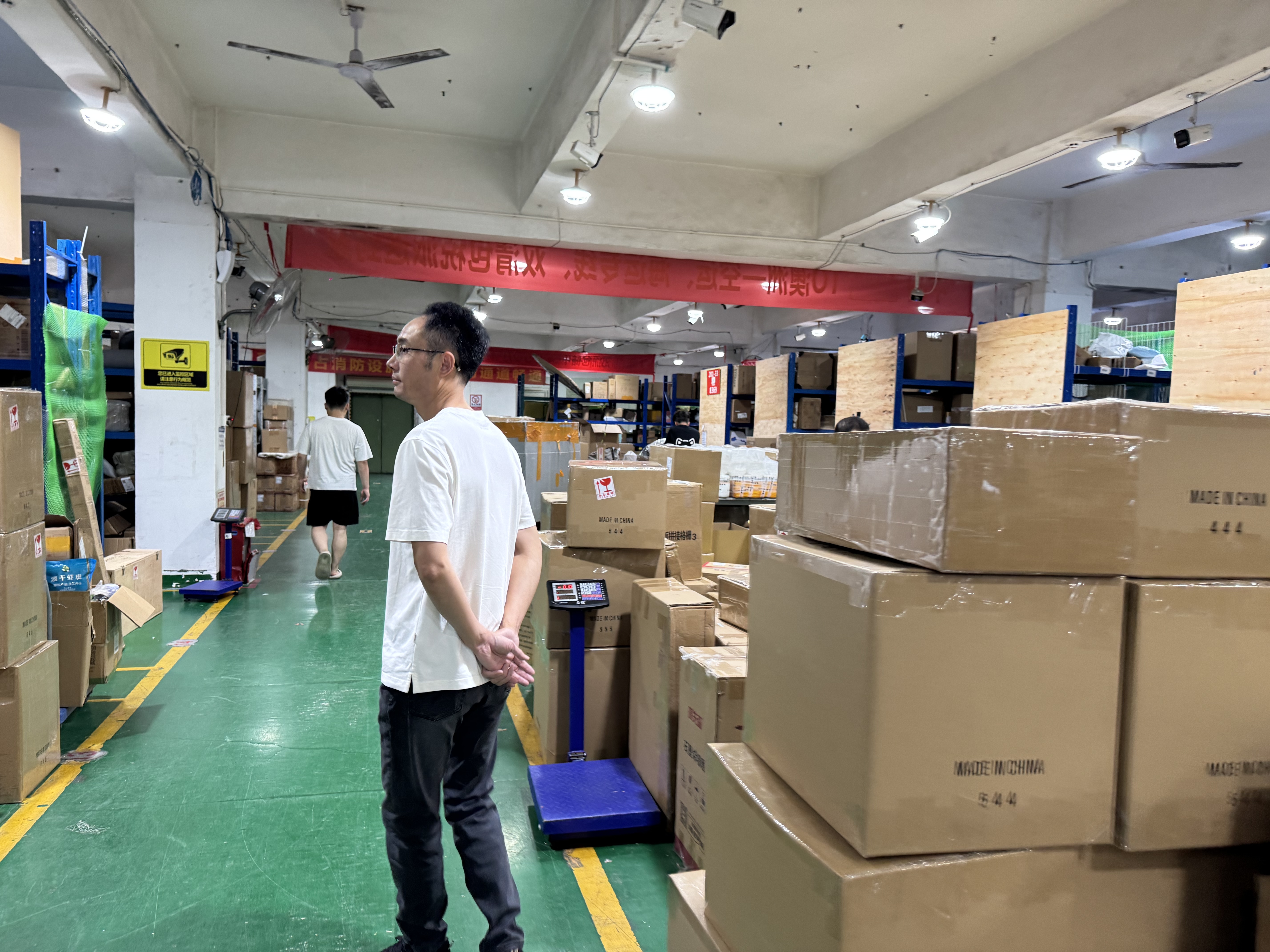
Look for a shipping partner with a good reputation and extensive experience in China - Canada consolidation shipping. They should be knowledgeable about the 2026 policies and have a solid network of carriers and customs brokers. For example, [Shengda International Logistics] has a team of professionals with over 10 years of experience in the industry. They can handle all aspects of the shipping process, from packaging to customs clearance.
4. Plan for Transit Times
Build a buffer into your inventory management system to account for potential delays in transit. Check the shipping schedule regularly and communicate with your shipping partner to stay informed about the progress of your shipment.
V. Frequently Asked Questions
Q1: How can I tell if a shipping partner is reliable?
A: Look at their track record. Check for customer reviews, their experience in the industry, and if they have proper legal and operational licenses. A reliable partner should also be transparent about their pricing and policies. For example, [Shengda International Logistics] has a long - standing reputation, with multiple trust - building factors like a professional team and a large - scale warehouse.
Q2: What should I do if my goods are held up at customs?
A: First, contact your shipping partner or customs broker immediately. Provide them with all the necessary information and documentation. They will work with the customs authorities to resolve the issue as quickly as possible. Make sure you've followed all the regulations to minimize the chances of this happening.
Q3: Can I ship sensitive goods through consolidation shipping?
A: It's possible, but you need to use a shipping partner with a dedicated compliance channel. For example, [Shengda International Logistics] offers a sensitive goods compliance专线 that can handle items like food, cosmetics, and带电产品. However, you still need to ensure that your goods meet all the Canadian regulations.
Q4: How do the new 2026 policies affect the cost of consolidation shipping?
A: The new policies may lead to additional costs, such as for more detailed documentation preparation or potential fines for non - compliance. However, if you choose a reliable shipping partner and comply with all the regulations, you can avoid these unnecessary expenses.
Q5: Is it necessary to use a customs broker?
A: While it's not mandatory, using a customs broker can simplify the process and reduce the risk of errors. They are familiar with the Canadian customs regulations and can help you prepare the correct documentation. This can save you time and money in the long run.
As you navigate the world of China - Canada consolidation shipping in 2026, keep these tips in mind. By avoiding these common pitfalls, you can ensure a smooth and cost - effective shipping process for your business.
