

I. Introduction
Hey there, Australian small business owners, importers, and e - commerce sellers! As someone with hands - on experience in cross - border logistics between China and Canada, I know firsthand how tricky bulk order shipping can be, especially with the upcoming 2026 changes. You might be planning to import home goods or 3C electronics in large quantities from China, but there are some significant pitfalls you need to avoid. I once had a client in 2024 who was an apparel importer. They placed a huge bulk order from a Chinese factory, but due to some common shipping mistakes, they ended up facing a lot of problems.
II. Customs and Regulatory Pitfalls (Deep - Dive, 40% of the text)
1. Incorrect HS Code Classification
The Harmonized System (HS) codes are used by customs to determine the tariffs and regulations for different goods. In 2026, the Canadian Border Services Agency (CBSA) might be stricter with the HS code classification. I remember in a case, a 3C electronics seller from Vancouver misclassified some smartwatches. They thought they should use a certain code that attracted lower tariffs. However, the CBSA re - classified them, and the seller had to pay a hefty sum in additional duties and faced a delay in clearing the goods. To avoid this, you need to have a detailed understanding of the product characteristics. If possible, consult a customs broker with experience in the China - Canada route. Make sure to provide accurate product descriptions when you're classifying the HS codes.
2. New Canadian Import Regulations in 2026
There are always changes in import regulations, and 2026 is no exception. For example, there might be new environmental or safety standards for certain products. Let's say you're a home goods seller importing furniture. There could be new regulations regarding the materials used, such as restrictions on certain types of glues or paints. Failing to comply with these new regulations can result in your goods being held at the Canadian border or even seized. To stay on top of these changes, subscribe to official CBSA newsletters and follow industry associations. They often provide updates on new regulations well in advance.
3. Incomplete Documentation
Documentation is a crucial part of cross - border shipping. In 2026, there could be more scrutiny on the paperwork. For instance, the eManifest requirement is strict. If your eManifest has incorrect information or is incomplete, it can lead to clearance delays. I had a client who was an importer in Toronto. Their shipping documents for a large bulk order of home decor items were missing some details about the origin of the materials. As a result, their shipment was stuck at the Port of Vancouver for nearly two weeks. Make a checklist of all the required documents, including commercial invoices, packing lists, and certificates of origin. Double - and triple - check them before sending them to your shipping provider.
III. Shipping and Logistics Pitfalls
1. Choosing the Wrong Shipping Provider
Not all shipping providers are created equal. Some might offer low prices but have a poor track record of on - time delivery or handling of large bulk orders. A case in point is a trade factory that was based in Montreal. They chose a relatively unknown shipping provider to save on costs for a large shipment of industrial parts. The provider faced capacity issues and ended up delaying the shipment by almost three weeks. When selecting a shipping provider, look at their reviews, experience in the China - Canada route, and their ability to handle bulk orders. You can also ask for referrals from other businesses in your industry.
2. Incorrect Packaging and Labeling
Proper packaging is essential for bulk orders. In 2026, as shipping volumes increase, there will be more rough handling of goods. I've seen cases where 3C electronics were damaged during transit because of insufficient packaging. Also, incorrect labeling can lead to misrouting of the shipment. For example, if you're shipping a container of home goods to Calgary and the label has the wrong address or is unclear, it can cause significant delays. Use high - quality packaging materials, especially for fragile items. Clearly label each package with the correct destination address, contact information, and handling instructions.
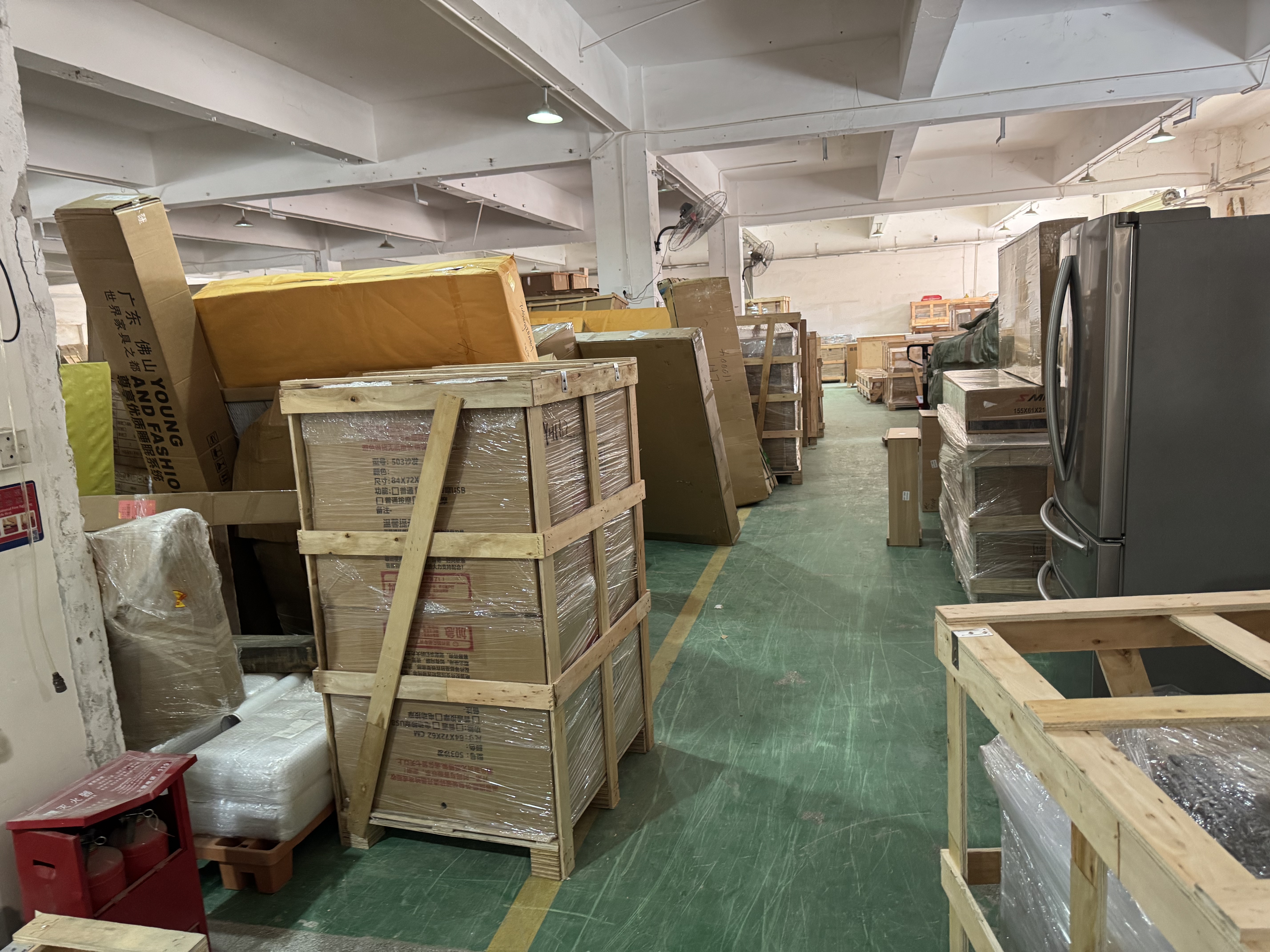
3. Capacity and Scheduling Issues
Bulk orders often require planning in terms of shipping capacity. If you don't book your slots in advance, you might face a situation where there's no available space on the ship or plane. For example, during peak seasons, such as the holiday season, the demand for shipping is high. An apparel importer from Halifax once had to cancel a large order because they didn't book the shipping capacity early enough, and the provider couldn't accommodate them. So, plan your shipments well in advance, especially for large bulk orders. Discuss your shipping schedule with your provider and book your slots as soon as possible.
IV. Pricing and Cost - related Pitfalls
1. Hidden Costs
Some shipping providers may have hidden costs that are not obvious in the initial quote. These could include fuel surcharges, terminal handling fees, or customs brokerage fees. A client in Edmonton was shocked when they received the final bill for a large shipment of 3C electronics. The hidden costs added up to almost 20% more than the initial quote. To avoid this, ask your shipping provider for a detailed breakdown of all the costs upfront. Make sure to understand all the terms and conditions in the contract.
2. Fluctuating Exchange Rates
The exchange rate between the Chinese Yuan and the Canadian Dollar can have a significant impact on your shipping costs. If the exchange rate changes unfavorably between the time you place your order and the time you pay for the shipping, you could end up paying more. For example, if you're an importer in Toronto and the Canadian Dollar weakens against the Chinese Yuan, the cost of your shipment will increase. Consider working with a financial advisor or using hedging strategies to mitigate the impact of exchange rate fluctuations.
V. FAQ
1. How can I ensure my shipping provider is reliable when shipping bulk orders from China to Canada in 2026? Well, you should look at their reputation in the industry. Check online reviews from other businesses. Also, ask for references and talk to their existing clients. A reliable provider will have experience handling bulk orders on the China - Canada route, and they should be able to provide you with a clear plan for shipping, including expected transit times and customs clearance processes. At [company name], we have a team of experts who are well - versed in the 2026 regulations and can ensure smooth bulk order shipping.
2. What if my bulk order is held at the Canadian border due to customs issues? First, don't panic. Contact your customs broker or shipping provider immediately. They can help you figure out what the problem is. It could be an issue with documentation, HS code classification, or compliance with new regulations. Usually, if you can provide the correct information and resolve the issue quickly, the goods will be released.
3. How can I protect myself from hidden costs in shipping? Ask for a detailed cost breakdown upfront. Make sure the quote includes all possible fees, such as fuel surcharges, customs brokerage fees, and terminal handling fees. Read the contract carefully and don't hesitate to ask questions if something is unclear. You can also compare quotes from different providers to get a better idea of the market rates.
4. Is it necessary to use a customs broker for bulk order shipping to Canada in 2026? While it's not always mandatory, it's highly recommended. A customs broker has in - depth knowledge of the Canadian customs regulations, especially the new ones in 2026. They can help you with HS code classification, documentation, and ensuring compliance. This can save you a lot of time and money in the long run.
5. How early should I book my shipping capacity for a bulk order? It depends on the time of year and the type of shipping service you choose. For peak seasons like the holiday season, it's best to book at least 2 - 3 months in advance. For regular shipments, 1 - 2 months of advance booking should be sufficient. This way, you can ensure that there's enough capacity for your bulk order.
