

I. Introduction
Hey there, Australian small business owners, importers, and e - commerce sellers! Shipping furniture from China to Australia can seem like a golden opportunity, but it's also filled with potential pitfalls. I've been in the cross - border logistics business for years, and I've seen firsthand what can go wrong. In 2026, new policies and regulations are in place, adding more complexity to the process. Let me share some real - life examples and tips to help you navigate this tricky journey.
Back in 2024, I had a client, an apparel importer in Sydney, who decided to diversify his business and import some wooden furniture from China. He thought it would be a straightforward process, but he soon ran into a series of problems that cost him time and money. This is the kind of situation I want to help you avoid.
II. Understanding the 2026 Policy Changes
The Australian Border Force (ABF) and the Department of Agriculture, Fisheries and Forestry (DAFF) have introduced some significant changes in 2026. These changes are mainly focused on biosecurity and customs valuation.
Biosecurity Regulations Wooden furniture is a high - risk item in terms of biosecurity. In 2026, the DAFF has tightened the rules on phytosanitary certificates. For example, all wooden furniture must now have a valid ISPM 15 certificate, which indicates that the wood has been properly treated to prevent the spread of pests and diseases.I once dealt with a shipment of furniture from a trade factory in China. The wooden chairs were infested with termites. The entire shipment was held at Port Botany for weeks, and the importer had to pay for the treatment and disposal of the infested items. This not only caused a delay in the business operations but also led to significant financial losses.
Customs Valuation The ABF has updated its rules on how furniture is valued for customs purposes. They now take into account not only the purchase price but also the cost of shipping, insurance, and any additional fees paid to the supplier. This means that your declared value might be different from what the customs authorities calculate, which can lead to unexpected duties and taxes.
III. Choosing the Right Shipping Method
Full Container Load (FCL) vs. Less than Container Load (LCL) If you're shipping a large quantity of furniture, FCL is usually the better option. It offers more security and flexibility, as you have the entire container for your goods. The transit time is also more predictable. For example, if you're a trade factory shipping a large order of dining sets to Melbourne, FCL can ensure that your goods are delivered in one piece and on time.However, FCL has its limitations. It requires a minimum quantity of goods to fill the container, and the cost can be high if you don't have enough volume.
LCL is suitable for smaller shipments. It's more cost - effective as you share the container with other shippers. But it also comes with risks, such as longer transit times and the possibility of damage during loading and unloading.
Shipping Line Selection When choosing a shipping line, look for ones with a good reputation and experience in transporting furniture. Some shipping lines have special handling procedures for fragile and bulky items. For example, Maersk is known for its high - quality service and reliable schedules in the Asia - Australia route. But it might be more expensive compared to some smaller shipping lines.
IV. Pre - shipment and Documentation
Packing and Labeling Proper packing is crucial for furniture shipping. Use high - quality packaging materials, such as wooden crates or foam padding, to protect your furniture from damage. Label each item clearly with the destination address, item description, and handling instructions.I remember a shipment of home goods sellers' items that were poorly packed. When they arrived at Port Brisbane, many of the items were damaged. The seller had to bear the cost of replacing the damaged goods and faced delays in getting the new items to the market.
Documentation Make sure you have all the necessary documents in order. This includes the commercial invoice, packing list, bill of lading, and any certificates required by the Australian authorities. Incorrect or incomplete documentation can lead to customs delays or even import restrictions.
V. Customs Clearance and Delivery
Customs Clearance Engage a professional customs broker who is familiar with the 2026 regulations. They can help you with the customs valuation, duties, and taxes calculation, and ensure that your shipment complies with all the requirements.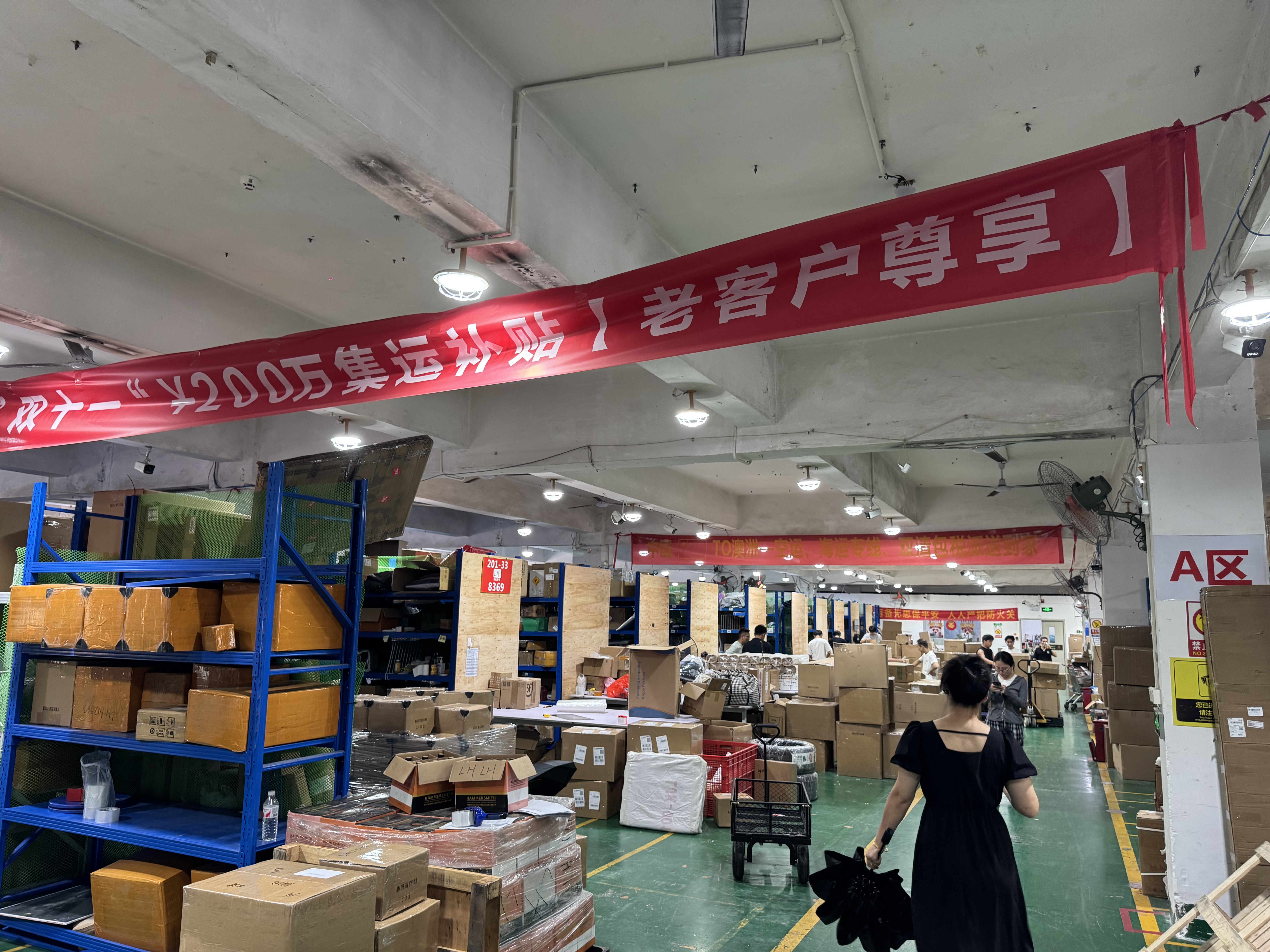
Some customs brokers might offer a fixed - fee service, while others charge based on the value of the shipment. It's important to compare different brokers and choose one that offers a good balance between price and service.
Delivery Once your shipment has cleared customs, you need to arrange for delivery. Some shipping companies offer door - to - door delivery services, which can be very convenient. However, they might charge a premium for this service. You can also choose to pick up the goods from the port or warehouse yourself, but this requires more effort on your part.
VI. FAQ
Q: How long does it usually take to ship furniture from China to Australia? A: It depends on the shipping method. Generally, FCL shipments take around 18 - 25 days, while LCL shipments can take 25 - 35 days. But these are just estimates, and actual transit times can be affected by various factors such as shipping line schedules, port congestion, and bad weather.Q: Do I need to pay any additional fees other than the shipping cost? A: Yes, you'll likely need to pay customs duties, taxes, and potentially storage fees if there are delays in customs clearance. Also, some shipping lines or customs brokers might charge handling fees. These costs can vary depending on the value and type of your furniture.
Q: What if my furniture is damaged during shipping? A: It's important to have insurance for your shipment. Most shipping companies offer basic insurance, but you might want to consider purchasing additional coverage for high - value items. If your furniture is damaged, you should file a claim with the insurance company as soon as possible. You'll need to provide evidence of the damage, such as photos and a detailed description.
Q: Can I trust my Chinese supplier to handle the packing and documentation correctly? A: It's risky to rely solely on your Chinese supplier. While many suppliers are reliable, mistakes can happen. I recommend being involved in the process. You can ask your supplier to provide samples of the packing and documentation and review them carefully. If possible, you can also hire a third - party inspection company to check the goods before they are shipped.
Q: How can I ensure that my furniture complies with the 2026 biosecurity regulations? A: Make sure your supplier is aware of the new regulations and can provide the necessary certificates, such as the ISPM 15 certificate. You can also work with a professional logistics company like Shengda International Logistics. They have experience in dealing with these regulations and can guide you through the process to ensure compliance and avoid costly fines and delays.
In conclusion (oops, I mean, to wrap up this advice), shipping furniture from China to Australia in 2026 requires careful planning and attention to detail. By understanding the new policies, choosing the right shipping method, and ensuring proper documentation, you can avoid many of the common pitfalls and make your import business a success.
