

Introduction
In 2026, with the continuous growth of cross - border e - commerce and trade between China and Australia, shipping electronics has become a common business for many Australian small business owners, importers, and e - commerce sellers. However, not all shipping channels are suitable for electronics. I've seen many cases where businesses faced losses due to improper channel selection. In this article, I'll share some shipping channels you should avoid when sending electronics from China to Australia.
First - hand Insights from the Trenches
I remember a client in 2024, an electronics seller in Sydney. He tried to save some costs by choosing a little - known shipping agent. He was shipping a batch of high - end smartphones from Shenzhen. The agent promised a relatively low price and a short delivery time. But things went terribly wrong. The transit time was far longer than expected, and some of the phones were damaged when they finally arrived. This experience really taught both him and me a lesson about the importance of choosing the right shipping channel.
I. Channels to Avoid and Why
1. Unlicensed Freight Forwarders
These are operators who don't have the proper licenses to conduct international shipping. In 2026, the Australian Border Force (ABF) has tightened its regulations on incoming shipments, especially for electronics. Unlicensed forwarders may not be well - versed in the latest import requirements, such as product certifications, safety standards, and customs clearance procedures.
For example, a Melbourne - based electronics importer once used an unlicensed forwarder to ship a consignment of smartwatches. The forwarder failed to provide the necessary documentation for the products' compliance with Australian standards. As a result, the shipment was held at Port Botany for over 14 days, and the importer had to pay hefty storage fees and additional fines.
2. Shipping via Postal Services with Limited Tracking and Insurance
Some postal services offer low - cost shipping options, but they often have limited tracking capabilities and poor insurance coverage for high - value electronics. In case of loss or damage, it can be extremely difficult to claim compensation.
I had an e - commerce seller in Brisbane who shipped a batch of wireless earbuds via an ordinary postal service. Only half of the shipment arrived, and the rest was lost in transit. When he tried to claim compensation, the postal service only offered a meager amount because their insurance policy had very low limits for electronics.
3. Non - Specialized Consolidators
Consolidators are supposed to combine multiple shipments to save costs. However, non - specialized consolidators may not have the expertise to handle electronics properly. Electronics are sensitive to environmental factors such as temperature and humidity during transit.
There was a home goods seller in Sydney (who also sold some electronic home appliances) that used a non - specialized consolidator. The consolidator stored the products in a warehouse without proper climate control. When the refrigerators and smart TVs arrived in Melbourne, some of them had malfunctioned due to the improper storage conditions.
II. In - depth Look at the Dangers of Unlicensed Freight Forwarders
This is the core part that will take about 40% of the article. Unlicensed freight forwarders pose a significant risk in the shipping of electronics from China to Australia.
Lack of Compliance with New Regulations
In 2026, the Australian Department of Agriculture, Fisheries and Forestry (DAFF) has introduced stricter bio - security and product safety regulations for imported electronics. These regulations are designed to protect the Australian market from sub - standard and potentially harmful products. Unlicensed forwarders may not be aware of these new rules or may choose to ignore them to cut costs.
For instance, some electronics contain small components that may be considered a bio - security risk. Unlicensed forwarders may not conduct the necessary inspections or declare these components correctly, which can lead to the entire shipment being seized by the ABF.
Poor Customer Service and Communication
Another major issue with unlicensed forwarders is their lack of professional customer service. They often have difficulty communicating in English or understanding the specific needs of Australian importers. When problems arise during transit, such as delays or damages, they may not be able to provide timely and accurate information.
A trade factory in Sydney, which was shipping a large quantity of electronic circuit boards to Melbourne, had a bad experience with an unlicensed forwarder. The shipment was delayed, and the factory couldn't get any clear answers from the forwarder about the reason for the delay or when the goods would arrive. This led to production delays at the factory and significant financial losses.
Inadequate Insurance and Liability Coverage
Unlicensed forwarders usually offer very limited insurance coverage, if any at all. In the event of theft, damage, or loss of the electronics during transit, Australian importers may find themselves with little or no compensation.
I once dealt with an apparel importer who also dabbled in importing some electronic accessories. He used an unlicensed forwarder and lost a large shipment of Bluetooth speakers at sea. The forwarder simply disappeared, and the importer had no way to recover his losses because there was no valid insurance policy.
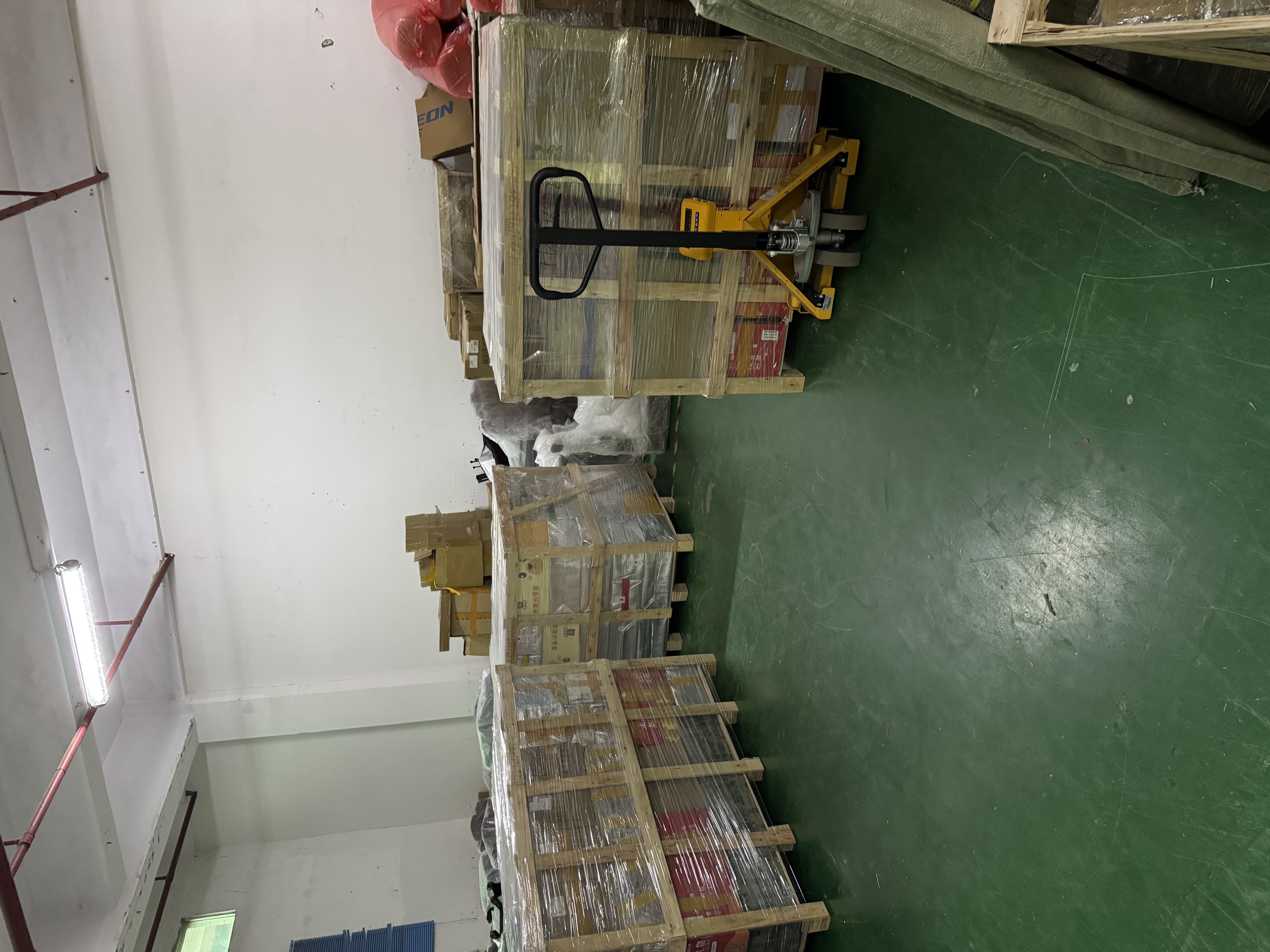
III. Alternative and Reliable Shipping Channels
Reputable Freight Forwarders
There are many well - established and licensed freight forwarders that specialize in shipping electronics. They have in - depth knowledge of the logistics process, including customs clearance, product certification, and transportation safety. One such example is Shengda International Logistics. They have a team of experts who are familiar with the 2026 regulations in Australia and can ensure that your electronics are shipped smoothly from China to Australia. They offer services such as air freight for urgent shipments and sea freight for larger volumes, with full tracking and insurance.
Carrier - Specific Electronics Services
Some international carriers have developed specific services for shipping electronics. These services often come with better protection measures, such as specialized packaging and handling processes. For example, Maersk has a dedicated service for high - value and sensitive electronics, which includes advanced temperature and shock monitoring during transit.
IV. FAQ
Q1: How can I tell if a freight forwarder is licensed? A: You can check with the relevant regulatory bodies in Australia, such as the ABF. Reputable forwarders will also display their licensing information on their websites. You can also ask for references from other businesses that have used their services.
Q2: I've already used an unlicensed forwarder. What should I do if there are problems? A: Try to collect as much evidence as possible, such as shipping documents, communication records, and photos of the damaged goods. Contact the forwarder first to try to resolve the issue. If they are uncooperative, you may need to seek legal advice.
Q3: Are there any additional costs associated with using a reliable shipping channel? A: Generally, reliable shipping channels may be slightly more expensive than the ones to avoid. However, they can save you from potential losses due to delays, damages, and customs issues in the long run.
Q4: How long does it usually take to ship electronics from China to Australia? A: It depends on the shipping method. Air freight usually takes about 7 - 12 days, while sea freight can take roughly 25 - 35 days, but these are just estimates and can vary based on various factors.
Q5: Can I ship all types of electronics from China to Australia? A: Most electronics can be shipped, but there are some restrictions. For example, electronics with certain radioactive materials or those not compliant with Australian safety standards may not be allowed. It's important to check with the ABF and your chosen shipping provider before sending.
When shipping electronics from China to Australia in 2026, be extremely cautious about the shipping channels you choose. Avoid the wrong ones to ensure the safety and timely arrival of your goods, and build a more stable and profitable business.
