

I. Introduction
As a professional in the cross - border logistics industry with hands - on experience in the China - Canada route, I often encounter small business owners, importers, and e - commerce sellers in Canada who are eager to source products from China but are confused about the best buying and shipping methods. In 2026, the China - Canada cross - border trade landscape has witnessed several policy changes and market trends. For example, the Canadian Border Services Agency (CBSA) has tightened food safety inspections, adding new requirements for shipping food products from China.
I remember back in 2025, a home goods seller from Vancouver wanted to import a large batch of furniture from a Chinese factory. He ended up choosing an unreliable shipping agent, which led to his goods being detained at the port for weeks due to improper customs declaration. This kind of incident is quite common, but with the right knowledge, such problems can be avoided.
II. Buying Goods from China
1. Sourcing Products
First off, there are several platforms where you can source products. Alibaba is well - known, offering a vast range of products from millions of Chinese suppliers. For instance, 3C electronics sellers can find manufacturers that offer competitive prices and high - quality products here. Another option is Global Sources, which focuses more on higher - end products and has a good reputation for reliability.
However, don't just rely on online platforms. Trade shows in China, like the Canton Fair, are excellent opportunities to meet suppliers face - to - face. At these shows, you can see product samples, negotiate prices, and build relationships directly with suppliers. I once accompanied a client to the Canton Fair, and he found a reliable supplier for his apparel business within two days, saving him a lot of time and effort in the long run.
2. Supplier Verification
Verifying your suppliers is crucial. You can check their business licenses, production capabilities, and customer reviews. Some suppliers may look good on paper but have poor quality control in practice. I've seen cases where e - commerce sellers received products that didn't match the samples due to lack of proper supplier verification. You can also ask for references from other businesses that have worked with the supplier to get a more accurate picture of their performance.
III. Shipping Options (In - depth Exploration - 40% of the Article)
1. Air Freight
Air freight is ideal for small and urgent shipments. It's fast, with a typical transit time of about 7 - 12 days, but it's also more expensive. If you're an e - commerce seller who needs to restock popular items quickly, air freight could be your best bet. Airlines in China, such as Air China and China Southern Airlines, offer regular flights to major Canadian cities like Vancouver and Toronto.
The advantage of air freight is its speed and reliability. You can track your shipment in real - time, and there are fewer handling points, reducing the risk of damage. However, the cost per kilogram is relatively high, and there are restrictions on the size and weight of the packages.
2. Sea Freight
Sea freight is the most cost - effective option for large and non - urgent shipments. There are two main types: Less than Container Load (LCL) and Full Container Load (FCL).
LCL: This is suitable for small business owners who don't have enough goods to fill a whole container. For example, a small home goods seller may only need to ship a few pallets of products at a time. With LCL, your goods are combined with other shippers' goods in one container, which reduces costs. But it may take longer, usually around 25 - 35 days, and there's a bit more complexity in the process, like coordinating with other shippers and dealing with more paperwork.
FCL: If you have a large order, such as a furniture factory importing raw materials or an apparel importer shipping a bulk order, FCL is a better option. It offers more security for your goods as the container is solely for your use. Transit times are also relatively stable, usually around 20 - 30 days. However, you need to have enough goods to fill the container, or you'll end up paying for unused space.
There are also some new trends in sea freight in 2026. For example, more shipping companies are using eco - friendly vessels, which is in line with global environmental requirements.
3. Express Courier Services
Courier services like DHL, FedEx, and UPS are known for their door - to - door delivery and high - speed service. They're suitable for very small and high - value items. For a 3C electronics seller sending a small number of high - end devices to Canada, these services can ensure quick and safe delivery. However, the cost is extremely high, and there may be limitations on the types of goods they can carry, especially for sensitive items.
IV. Customs Clearance
Customs clearance is a critical part of the cross - border shipping process. In 2026, the CBSA has updated its regulations, especially regarding food and sensitive goods. You need to provide accurate information about your goods, including the Harmonized System (HS) codes, which determine the duties and taxes applicable.
For example, if you're importing skincare products from China, you need to ensure that they meet the Canadian Food Inspection Agency (CFIA) requirements. Incorrect or incomplete information can lead to your goods being held at the border, resulting in delays and additional costs. It's advisable to work with a customs broker who is familiar with the China - Canada trade regulations. I've seen many cases where importers saved a lot of time and money by using a professional customs broker.
V. Choosing a Logistics Service Provider
When choosing a logistics service provider, there are several factors to consider.
Firstly, look for a company with experience in the China - Canada route. A company like Shengda International Logistics is a great option. They have been focusing on the China - Canada cross - border logistics for a long time, and they know the ins and outs of the market, including the latest policies and customs regulations.
Secondly, consider the range of services they offer. You want a provider that can handle everything from shipping to customs clearance. Shengda International Logistics offers a full suite of services, including air freight, sea freight (both LCL and FCL), and express courier services, as well as customs brokerage.
Thirdly, check their pricing. Look for a company with transparent pricing and no hidden fees. Shengda International Logistics adheres to an all - inclusive pricing model, clearly listing all the costs, such as freight, customs clearance fees, and taxes.
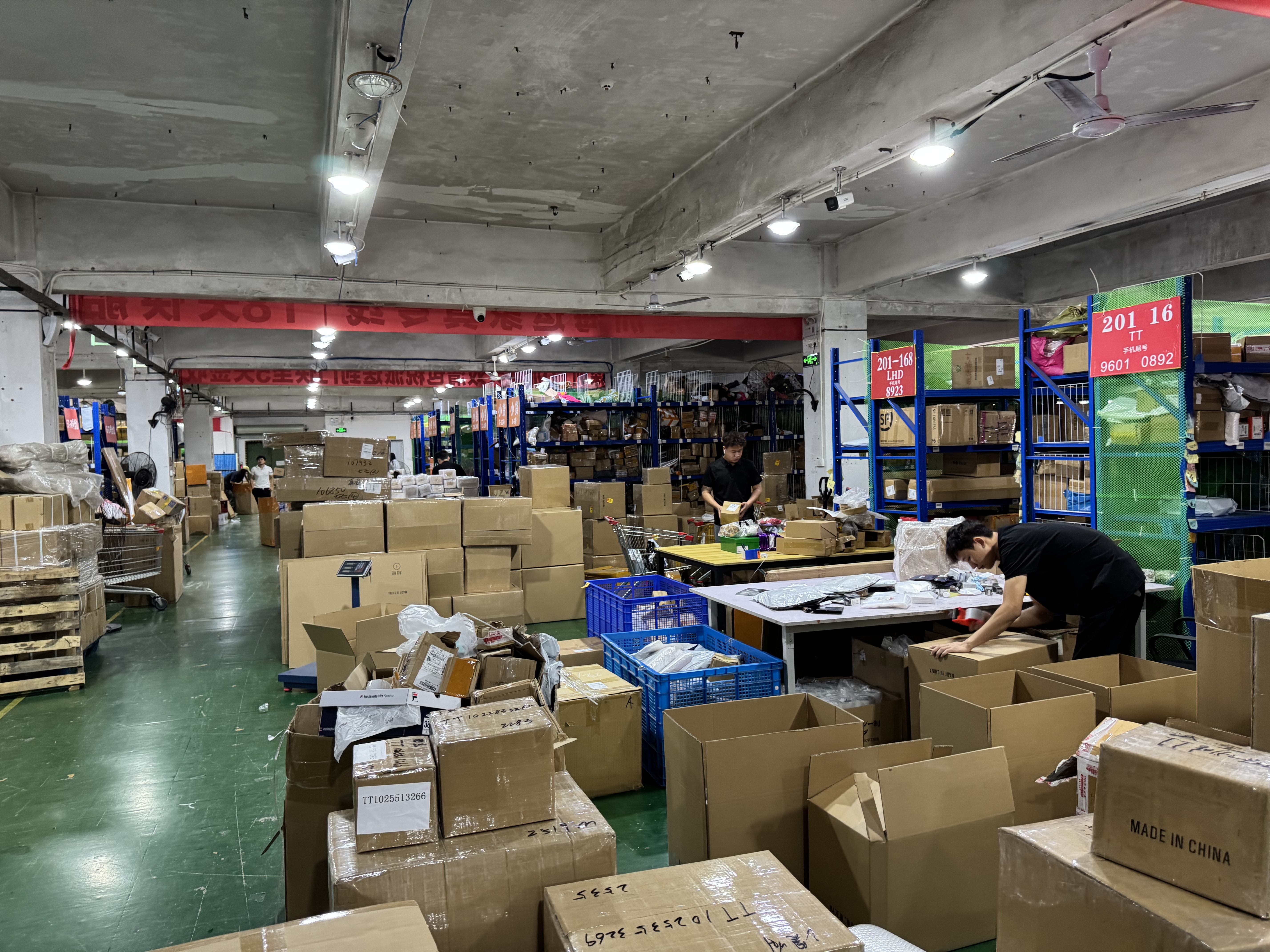
Finally, read reviews and ask for referrals. A good logistics provider should have a good reputation in the industry. Shengda International Logistics has served hundreds of thousands of customers over the years and has built a solid reputation for its reliable service.
VI. FAQ
Q1: How long does it usually take to ship goods from China to Canada via sea freight? A: It depends on the type of sea freight service. For LCL, it usually takes around 25 - 35 days, while for FCL, the transit time is typically around 20 - 30 days. But these are just estimates, and factors like weather conditions and port congestion can cause delays.
Q2: What are the main requirements for customs clearance when importing goods from China to Canada? A: You need to provide accurate information about your goods, including the HS codes, the value of the goods, the quantity, and the origin. For certain goods, like food and cosmetics, there are additional requirements from the CFIA. It's best to work with a professional customs broker to ensure compliance.
Q3: Can I ship sensitive goods, like electronics with batteries or food products, from China to Canada? A: Yes, you can, but you need to use a specialized service. For example, Shengda International Logistics has a dedicated compliance - sensitive goods line. They have established specialized compliance declaration channels to handle such goods, which helps reduce the risk of customs rejection and detention.
Q4: How can I track my shipment from China to Canada? A: Most logistics service providers offer tracking services. If you choose a company like Shengda International Logistics, they have a self - developed intelligent shipping system that provides real - time updates on the status of your shipment, including warehousing, packing, transportation, delivery, and signing.
Q5: What should I do if my goods are delayed or damaged during shipping? A: If you use a reputable logistics provider like Shengda International Logistics, they have a formal claims mechanism. In the event of damage or loss due to operational errors, they will provide standard compensation. In case of delays, they will communicate with you about the situation and do their best to resolve it as soon as possible.
In 2026, navigating the process of buying goods from China and shipping them to Canada requires careful planning and the right partners. By understanding the different options and choosing reliable service providers, you can ensure a smooth and cost - effective cross - border trade experience.
