

One、Introduction
Hey there, Aussie small business owners, importers, and e - commerce sellers! In 2026, thanks to the new policies from the Australian Border Force (ABF), sending household goods from China to Darwin has become more complex. I've been in the cross - border logistics game for years, and I've seen firsthand the headaches that can come with this process. Let me share some real - world stories and practical tips to help you avoid the common pitfalls.
Two、The Complex World of Customs and Regulations
The first time I ran into a big headache was with a home goods seller in Sydney. They were importing a batch of sofas from China and thought they had everything sorted. But when the goods arrived at Port Botany, they faced a series of issues with customs.
1. Understanding New Customs Policies
In 2026, the ABF has tightened its regulations on the import of household goods. You need to ensure that all your products comply with Australia's strict safety and quality standards. For example, furniture with certain types of wood may require a phytosanitary certificate.
2. Proper Documentation
Another crucial aspect is documentation. You should have a detailed commercial invoice, correct HS codes, and packaging lists. A client back in 2024 didn't provide accurate HS codes for their imported glassware, and their shipment was held up at customs for roughly 14 days, which caused significant delays and extra storage fees.
Three、Shipping Options and Their Implications
When it comes to shipping household goods to Darwin, you have different options, each with its own pros and cons.
1. Sea Freight
Sea freight is a popular choice due to its cost - effectiveness, especially for large - volume shipments. But it has longer transit times. A home goods seller in Melbourne once chose sea freight to send a large shipment of rugs to Darwin. However, there was a delay at the Chinese port due to congestion, and the shipment ended up taking 45 days instead of the estimated 35 days.
2. Air Freight
Air freight, on the other hand, is much faster. But it's also more expensive. If you're shipping high - value, small - volume items or need to meet a tight deadline, air freight might be your best bet.
| Here's a simple comparison table: | Shipping Method | Cost | Transit Time | Suitability |
|---|---|---|---|---|
| Sea Freight | Low | 30 - 45 days (estimate) | Large - volume, non - urgent shipments | |
| Air Freight | High | 7 - 10 days (estimate) | High - value, small - volume, urgent shipments |
Four、Packaging and Loading Considerations
Many exporters underestimate the importance of proper packaging and loading. I remember a case where an apparel importer in Brisbane shipped a batch of clothes in poorly sealed boxes. During transit, some of the boxes got wet due to a minor leak in the container, and a portion of the clothes was damaged.
1. Appropriate Packaging
For household goods, you should use sturdy packaging materials. For example, use bubble wrap for fragile items and reinforced cardboard boxes. And don't forget to label them properly.
2. Correct Loading
Loading the container correctly is also essential. Make sure the goods are evenly distributed to prevent shifting during transit, which can cause damage.
Five、Choosing the Right Logistics Partner
One of the biggest mistakes you can make is choosing the wrong logistics partner. I've seen businesses suffer because they went with a low - cost provider that didn't have the necessary experience or resources.
1. Experience and Reputation
Look for a logistics company with a good track record in the China - Australia route, especially when it comes to shipping household goods to Darwin. For example, [Your Company Name] has been in this business for years and knows all the ins and outs of the process.
2. Service Offerings
A good logistics partner should offer a comprehensive range of services, including customs clearance, warehousing, and last - mile delivery.
Six、FAQ
Q: How can I ensure my goods comply with the new ABF regulations? A: Well, it's not that tricky but does need some effort. First, do your research on the official ABF website to understand the detailed requirements for different types of household goods. You can also work with a professional customs broker or a reliable logistics company like [Your Company Name]. We have experts who keep track of all the latest regulations and can help you prepare the correct documentation and ensure your products meet the standards.
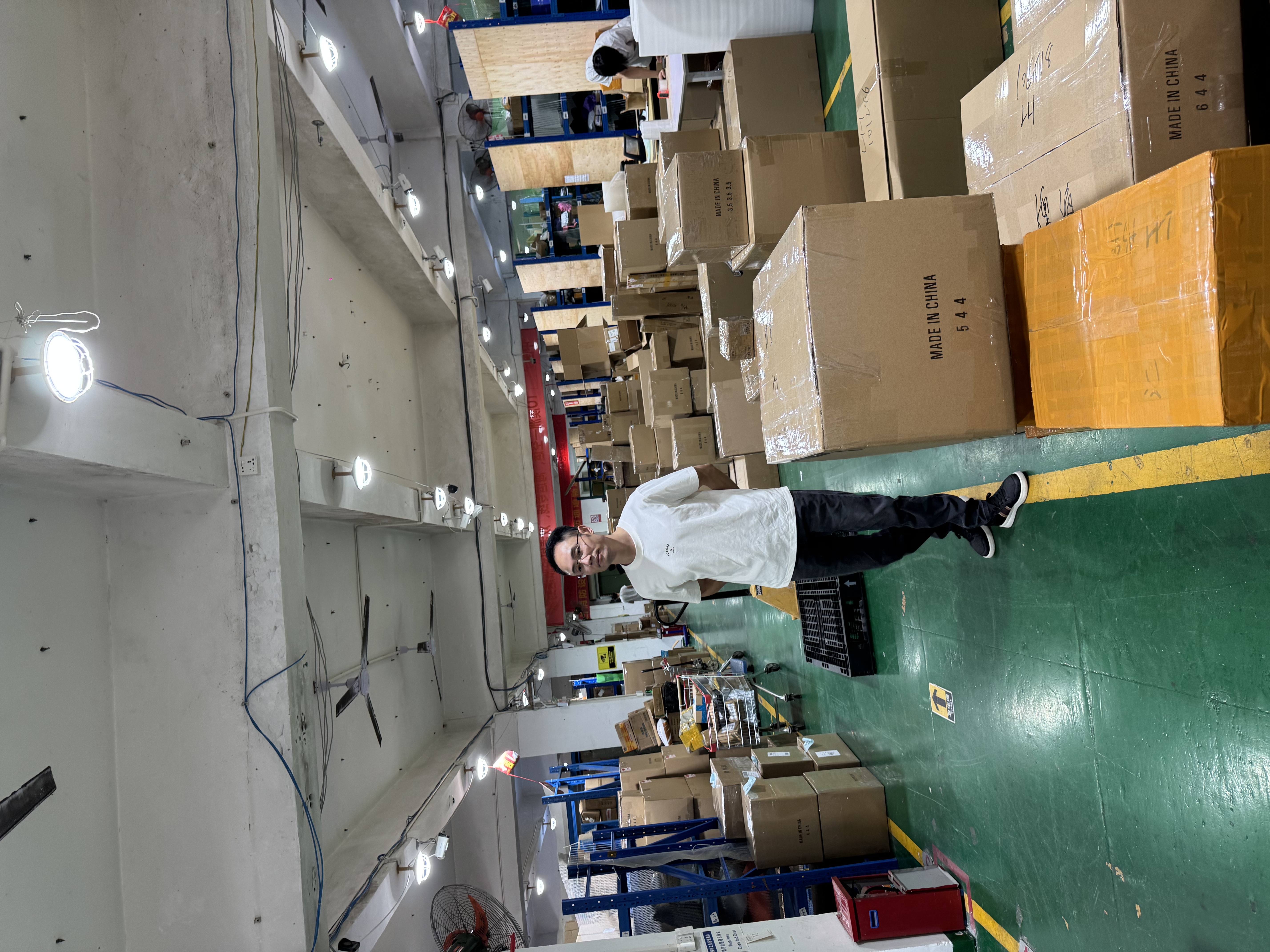
Q: What if my shipment is delayed at the Chinese port? A: Delays can happen due to various reasons, such as port congestion or bad weather. If that occurs, stay in close contact with your logistics provider. They should be able to give you regular updates and work on finding solutions. Some delays might be compensated depending on the terms of your shipping contract. At [Your Company Name], we have contingency plans in place to deal with such situations and try our best to minimize the impact on your business.
Q: How should I choose between sea freight and air freight? A: It mainly depends on your budget and timeline. If you're on a tight budget and time isn't a critical factor, sea freight is great. But if you need your goods to arrive quickly, like for an upcoming sale event, air freight is the way to go. You also need to consider the nature of your goods. High - value, small - volume items are often more suitable for air freight, while large - volume goods are better via sea freight.
Q: Can a logistics company help with packaging? A: Absolutely! Many logistics companies, including [Your Company Name], offer packaging services. We have experienced staff who know how to package different types of household goods properly to ensure their safety during transit. We can use high - quality materials and follow the best - practice loading methods to protect your products.
Q: What are the potential hidden costs in cross - border shipping? A: There can be several hidden costs. For example, storage fees if your goods are held up at the port, demurrage charges if the container isn't returned on time, and additional customs clearance fees if there are issues with your documentation. Working with a transparent logistics partner like [Your Company Name] can help you avoid these unexpected costs. We'll provide a clear and detailed cost breakdown upfront, so you know exactly what you're paying for.
In 2026, shipping household goods to Darwin has its challenges, but with the right knowledge and a reliable partner, you can navigate through the process smoothly and avoid those costly pitfalls. Keep these tips in mind and you'll be well on your way to a successful import operation.
