

I. Introduction
Shipping personal belongings to Canada can be a daunting task, especially in 2026 with the new regulations from the Canadian Border Services Agency (CBSA). I've seen many clients struggle with this process, making costly mistakes. Once, I had a client who was trying to ship a large collection of vintage wines to Vancouver. He didn't realize the strict alcohol import regulations, and the shipment was held at the port for weeks, incurring hefty storage fees. In this article, I'll share some common pitfalls and how to avoid them.
II. Understanding the New Regulations in 2026
The 2026 regulations have brought some significant changes. One of the major updates is the stricter control on food and agricultural products. The Canadian Food Inspection Agency (CFIA) has tightened its rules to prevent the introduction of pests and diseases. For example, certain types of fresh fruits and vegetables are now completely banned, while others require special permits.
Another key change is in the eManifest system. All shippers are now required to submit detailed information about their shipments electronically before they arrive in Canada. This includes the type of goods, their value, and the origin. Failure to comply can result in delays and fines.
III. Common Mistakes and How to Avoid Them
1. Incorrect Documentation
Problem Encountered: Many shippers make the mistake of providing incomplete or inaccurate documentation. For instance, they might misclassify their goods using the wrong HS codes. This can lead to customs clearance issues and additional fees.Final Outcome: A home goods seller in China once shipped a container of handmade pottery to Toronto. They used the wrong HS code, thinking it would save on duties. However, the CBSA caught the error, and the shipment was held for further inspection. The seller had to pay a fine and additional duties, and the delivery was delayed by over two weeks.
Solution: Always double - check your documentation. Use the correct HS codes, and make sure all the information is accurate. If you're unsure, consult a customs broker.
2. Ignoring Restricted and Prohibited Items
Problem Encountered: There are many items that are restricted or prohibited in Canada. This includes certain weapons, drugs, and some types of wildlife products. Shippers often overlook these restrictions, especially when shipping personal belongings that may contain items they're not fully aware of.Final Outcome: An apparel importer tried to ship a batch of fur coats to Montreal without realizing that some of the fur was from a protected species. The entire shipment was seized by the CBSA, and the importer faced legal consequences.
Solution: Before shipping, research the list of restricted and prohibited items on the CBSA website. Make sure to remove any such items from your shipment.
3. Improper Packaging
Problem Encountered: Inadequate packaging can lead to damage during transit. This is especially true for fragile items like glassware or electronics. Shippers may not use enough cushioning or may not secure the items properly in the box.Final Outcome: A 3C electronics seller shipped a consignment of smartphones to Calgary. The packaging was not sturdy enough, and many of the phones were damaged in transit. The seller had to bear the cost of replacement and lost the trust of the Canadian customers.
Solution: Use high - quality packaging materials. For fragile items, use plenty of bubble wrap, foam, or packing peanuts. Secure the items inside the box to prevent movement.
4. Not Planning for Customs Duties and Taxes
Problem Encountered: Shippers often underestimate the amount of customs duties and taxes they'll have to pay. This can lead to financial surprises when the shipment arrives in Canada.Final Outcome: A trade factory shipped a large quantity of machinery to the Port of Vancouver. They didn't calculate the customs duties correctly, and when the shipment arrived, they didn't have enough funds to pay the fees. The machinery was held at the port until the payment was made, causing production delays.
Solution: Use online calculators or consult a customs broker to estimate the duties and taxes in advance. Set aside enough funds to cover these costs.
IV. Choosing the Right Shipping Method and Provider
1. Shipping Method
There are different shipping methods available, such as air freight, sea freight, and express courier services. Air freight is faster but more expensive, while sea freight is slower but more cost - effective for large shipments. Express courier services are convenient but may have limitations on the size and weight of the shipment.
2. Shipping Provider
When choosing a shipping provider, look for one with experience in shipping to Canada. Check their reviews and reputation. A good provider should be able to handle all aspects of the shipment, including documentation, customs clearance, and delivery. For example, [Company Name] has been in the business for years, with a team of experts who are well - versed in the 2026 regulations. They offer a range of services, from small - scale personal shipments to large - scale commercial shipments, and can ensure a smooth and hassle - free shipping process.
V. FAQ
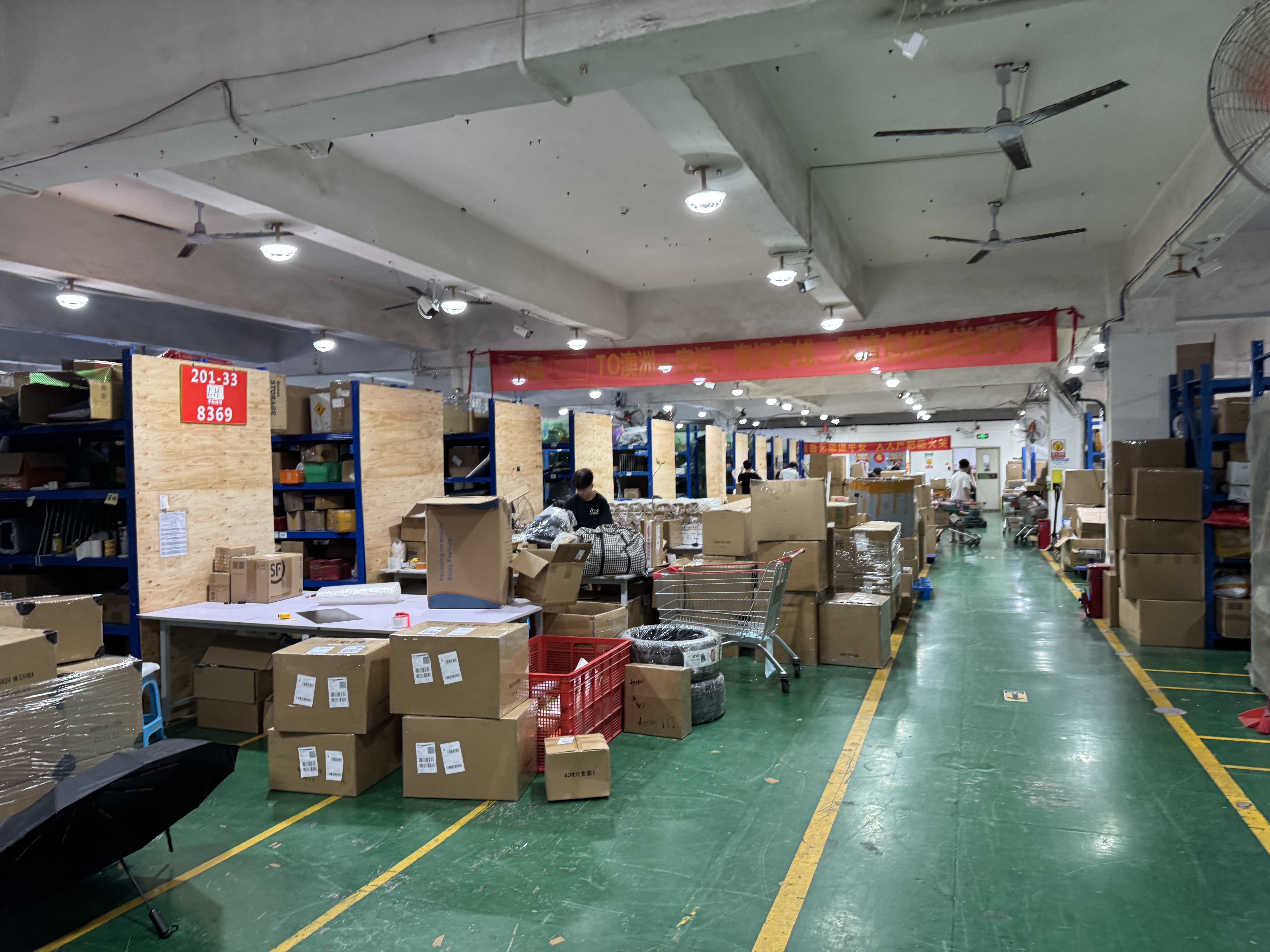
Q: What if I accidentally ship a restricted item? A: If you realize you've shipped a restricted item, contact the shipping provider or the CBSA immediately. They'll guide you on the next steps, which may include returning the item or paying a fine.
Q: How long does it usually take for a shipment to clear customs in 2026? A: It depends on various factors, such as the type of goods, the completeness of the documentation, and whether the shipment is selected for inspection. On average, it can take anywhere from a few hours to several days.
Q: Can I use a regular customs broker, or do I need one familiar with 2026 regulations? A: It's highly recommended to use a customs broker who is familiar with the 2026 regulations. They'll be able to ensure that all your documentation is in order and that your shipment complies with the new rules.
Q: What should I do if my shipment is delayed at the port? A: First, contact your shipping provider to get an update on the situation. They may be able to provide more information about the cause of the delay. If it's due to customs issues, they can help you resolve them. You can also check the status of your shipment on the CBSA website.
Q: Are there any special requirements for shipping personal belongings for immigration purposes? A: Yes, there are some special requirements. You'll need to provide a detailed list of your belongings, and in some cases, you may need to prove that the items are for personal use. It's best to consult a shipping provider or a customs broker who has experience in handling immigration - related shipments.
By being aware of these potential pitfalls and taking the necessary precautions, you can ensure a smooth and successful shipment of your personal belongings to Canada in 2026.
