

I. Introduction
You're an Australian small business owner, importer, or e - commerce seller. Chances are, you've relied on Chinese goods for a long time. But with the approaching 2026, there are whispers of changes in the air regarding e - commerce freight from China to Australia. I've been in the cross - border logistics game for a while, dealing with the nitty - gritty of shipping between these two countries. Let me share some insights based on my hands - on experience.
II. The Current State of E - commerce Freight from China to Australia
Currently, the e - commerce freight from China to Australia is a well - established route. There are mainly two popular channels: air freight and sea freight.
Air Freight: It's a go - to option when you need your goods quickly. For example, 3C electronics sellers in Sydney often choose air freight. The transit time is usually around 7 - 12 days. It's great for high - value, small - sized items. But the cost is relatively high. I once had a client who was an apparel importer in Melbourne. He needed a new batch of summer clothing urgently for a promotional event. We used air freight, and the goods arrived in about 9 days. However, the shipping cost ate into a significant part of his profit margin.
Sea Freight: This is the more cost - effective choice for larger volumes of goods. Sea freight can be divided into full - container load (FCL) and less - than - container load (LCL). Home goods sellers in Brisbane often opt for LCL when they don't have enough goods to fill a whole container. The transit time is longer, roughly 25 - 35 days. But it can save a lot of money. A trade factory in Port Botany once shipped a large quantity of furniture through LCL. They were able to reduce their shipping costs by about 30% compared to air freight, even though they had to wait a bit longer for the goods.
III. 2026 Policy and Industry Updates: A Deep Dive
This is the core part of the article, taking up about 40% of the whole text.
The year 2026 is set to bring some significant changes, especially in terms of policies and industry trends.
Customs and Biosecurity Regulations The Australian Border Force (ABF) and the Department of Agriculture, Fisheries and Forestry (DAFF) are expected to tighten biosecurity regulations. This means that goods such as wooden furniture, food products, and some textiles will face more stringent inspections. For example, wooden furniture may need to have a proper phytosanitary certificate. If not, it could be held at the port for a long time, causing delays in delivery. I remember a case in 2024 where a shipment of wooden home goods from a Chinese factory was held up at Port of Melbourne because the phytosanitary certificate was incomplete. The importer had to pay extra storage fees and faced a delay of about 14 days in getting the goods to the market.In terms of customs valuation, there will be more emphasis on accurate declaration of goods' values. Sellers who try to under - declare the value of their goods to save on duties may face higher penalties. This is to ensure a fair trading environment and proper revenue collection for the Australian government.
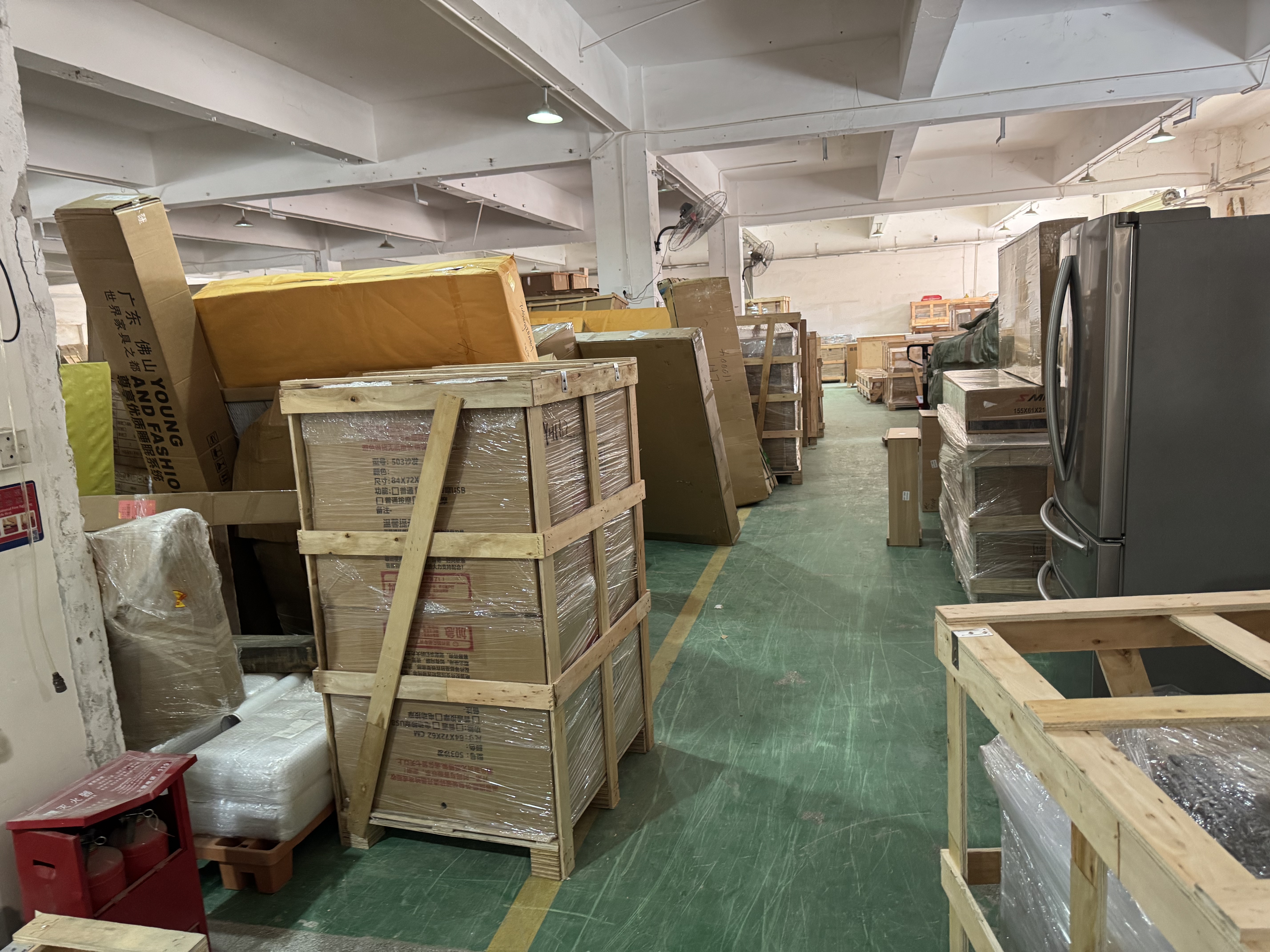
Digitalization in Logistics The industry is moving towards more digitalization. This includes the use of blockchain technology for better tracking of goods, and more automated customs clearance processes. For example, with blockchain, the entire supply chain can have real - time access to information about the goods, from the moment they leave the factory in China to the time they reach the Australian warehouse. This can improve efficiency and reduce the risk of fraud.
IV. How to Adapt to the Changes in 2026
Stay Informed Keep an eye on the official announcements from the ABF, DAFF, and other relevant authorities. Subscribe to industry newsletters and participate in relevant webinars. For example, if there are changes in the biosecurity regulations for a particular type of product you import, you can adjust your sourcing and shipping plans accordingly.Choose the Right Logistics Partner A reliable logistics partner like Shengda International Logistics can be a game - changer. They have a team of experts who are well - versed in the latest regulations and can help you navigate through the complex process. They offer a range of services, from air freight to sea freight, and can handle all the paperwork and customs clearance for you.
For example, they can ensure that your goods are properly packaged and labeled according to the new regulations. They also have a good understanding of the digitalization trends in the industry and can provide you with real - time tracking information through their advanced logistics system.
Review Your Supply Chain Consider diversifying your suppliers in China. If possible, work with suppliers who are more compliant with the new regulations. Also, review your inventory management strategy. With the potential for longer transit times due to stricter inspections, you may need to hold more inventory in Australia to meet the market demand.
V. FAQ
Q: How much will the shipping cost increase in 2026 due to the new regulations? A: It's hard to give an exact figure. The cost increase will depend on various factors such as the type of goods, the shipping channel, and the extent of the regulatory changes. For example, if the environmental regulations lead to more expensive shipping vessels, sea freight costs may go up by around 5 - 10%. But a good logistics partner can help you find ways to minimize these costs.Q: What should I do if my goods are held up at the Australian port due to new biosecurity regulations? A: First, don't panic. Contact your logistics partner immediately. They will have the experience to deal with such situations. They can work with the relevant Australian authorities to provide the necessary documentation and resolve the issue as quickly as possible. In some cases, it may be necessary to pay additional fees for inspections or treatments.
Q: Can I still use air freight for my urgent orders in 2026? A: Yes, you can. Air freight will still be available for urgent orders. However, you need to be aware that there may also be some changes in the air freight regulations, such as additional security checks. Make sure your goods are properly prepared and declared to avoid any delays.
Q: How can I ensure that my goods' value is accurately declared for customs? A: You should keep detailed records of your purchase invoices, shipping costs, and any other relevant expenses. Work with your logistics partner to understand the customs valuation rules. They can help you calculate the correct value of your goods and ensure that the declaration is accurate. Incorrect declaration can lead to penalties and delays.
Q: Is it necessary to change my current logistics partner for 2026? A: It depends on your current partner's capabilities. If they are well - informed about the 2026 changes and have a good track record of handling regulatory compliance, you may not need to change. However, if you find that they are not keeping up with the latest regulations, it might be a good idea to consider a more reliable partner like Shengda International Logistics, which has a team of experts dedicated to staying on top of the industry changes.
As we approach 2026, the e - commerce freight landscape from China to Australia is bound to change. By staying informed, choosing the right partners, and being proactive in adapting your supply chain, you can ensure that your business continues to thrive in the face of these changes.
