

I. Introduction
Hey there, Australian small business owners, importers, and e - commerce sellers! In 2026, buying goods from China and shipping them to Australia has become a crucial part of many businesses. But it's not without its challenges. I've been in the cross - border logistics game for a while, and I've seen many people run into issues. For instance, I had a client back in 2024 who ordered a large shipment of home goods from a Chinese supplier. They thought they had everything sorted out, but ended up facing long delays at the Port of Melbourne because of incorrect documentation. In this article, I'll share some practical advice to help you navigate this process smoothly.
II. Understanding the 2026 Policies and Regulations
Customs and Biosecurity Updates The Australian Border Force (ABF) and the Department of Agriculture, Fisheries and Forestry (DAFF) have made some changes in 2026. For example, there are stricter biosecurity checks on goods that may carry pests or diseases. Wood products, for instance, need to be properly treated and documented with a valid phytosanitary certificate. Failing to meet these requirements can result in hefty fines or even the destruction of your goods.Customs Valuation The way customs values your imported goods has also seen some minor adjustments. It's crucial to ensure that the declared value on your shipping documents is accurate. ABF will cross - check the value with market rates. Incorrect valuation can lead to additional duties and taxes.
III. Choosing the Right Shipping Method
Air Freight
Advantages: Air freight is the fastest option. It can get your goods from China to Australia in roughly 7 - 12 days. This is great for those who are dealing with high - value, low - volume goods like electronics or luxury apparel. It also has a lower risk of damage compared to sea freight.Limitations: However, it's more expensive. The cost per kilogram can be 3 - 5 times higher than sea freight. And there are also weight and size restrictions in most cases.
Sea Freight
Full Container Load (FCL) Advantages: If you have large quantities of goods, FCL is a great option. You can use 20GP/40GP/40HQ containers. It offers more security for your goods as the container is solely for your shipment. Shipping rates are relatively stable, and you have better control over the shipping schedule.Limitations: The minimum order quantity is usually high. And it takes longer, typically around 18 - 28 days from Chinese ports to Australian ports like Port Botany.
Less than Container Load (LCL) or Sea Freight LCL Advantages: Ideal for small businesses or importers with smaller quantities. It's cost - effective as you only pay for the space your goods occupy in the container.
Limitations: There's a higher risk of damage as your goods are sharing space with others. Also, the transit time can be a bit longer due to the consolidation and de - consolidation process.
IV. Core Section: Partnering with a Reliable Logistics Provider
This is the most important part, taking up about 40% of the total content.
Importance of a Good Logistics Partner A reliable logistics provider can make or break your cross - border shipping experience. They handle all the complex tasks such as customs clearance, documentation, and transportation. For example, I once worked with a 3C electronics seller in Sydney. They initially tried to handle the shipping on their own, but quickly ran into problems with customs forms and delays at Brisbane Port. After switching to a professional logistics provider, their shipping process became much smoother, and they could focus on growing their business.
Why Choose Shengda International Logistics
Deep Focus on Cross - Border Routes: Shengda International Logistics specializes in cross - border routes from China to Australia. They have a deep understanding of the local logistics policies and customs standards in Australia, which helps to ensure that your goods clear customs smoothly.Full - chain Self - Control: They operate their own warehouses, use self - developed logistics systems, and have direct access to shipping routes. This means they can control the entire process from the moment your goods arrive at their warehouse in China to the final delivery in Australia. There's no need for outsourcing, which reduces the risk of delays and damage.
Customized Solutions: Shengda can provide customized shipping solutions based on your specific needs. Whether you're a small e - commerce seller or a large trade factory, they have different services like air freight, sea freight (FCL and LCL), and special services for sensitive goods.
Transparent Pricing: They offer a clear and transparent pricing system. There are no hidden fees, and all costs, including shipping, customs clearance, and taxes, are clearly stated upfront. This helps you to budget accurately for your imports.
Visibility of Logistics Their self - developed intelligent logistics system allows you to track your shipment in real - time. You can see the status of your goods from storage, packing, shipping, and delivery at any time. There are no false tracking information, giving you peace of mind.
Good After - sales Service Shengda has a formal compensation mechanism. For goods damaged or lost due to operational errors, they will compensate according to the standard. They also have a professional customs clearance team to minimize the risk of customs seizure and additional taxation.
Steps to Work with a Logistics Provider
Initial Consultation: Reach out to the logistics provider, share your requirements, such as the type, quantity, and value of your goods, as well as your expected delivery time.Quotation and Contract: The logistics provider will provide you with a detailed quotation. Once you're satisfied, you'll sign a contract.
Goods Arrangement: Send your goods to the logistics provider's warehouse in China. They'll handle the warehousing, inspection, and packing.
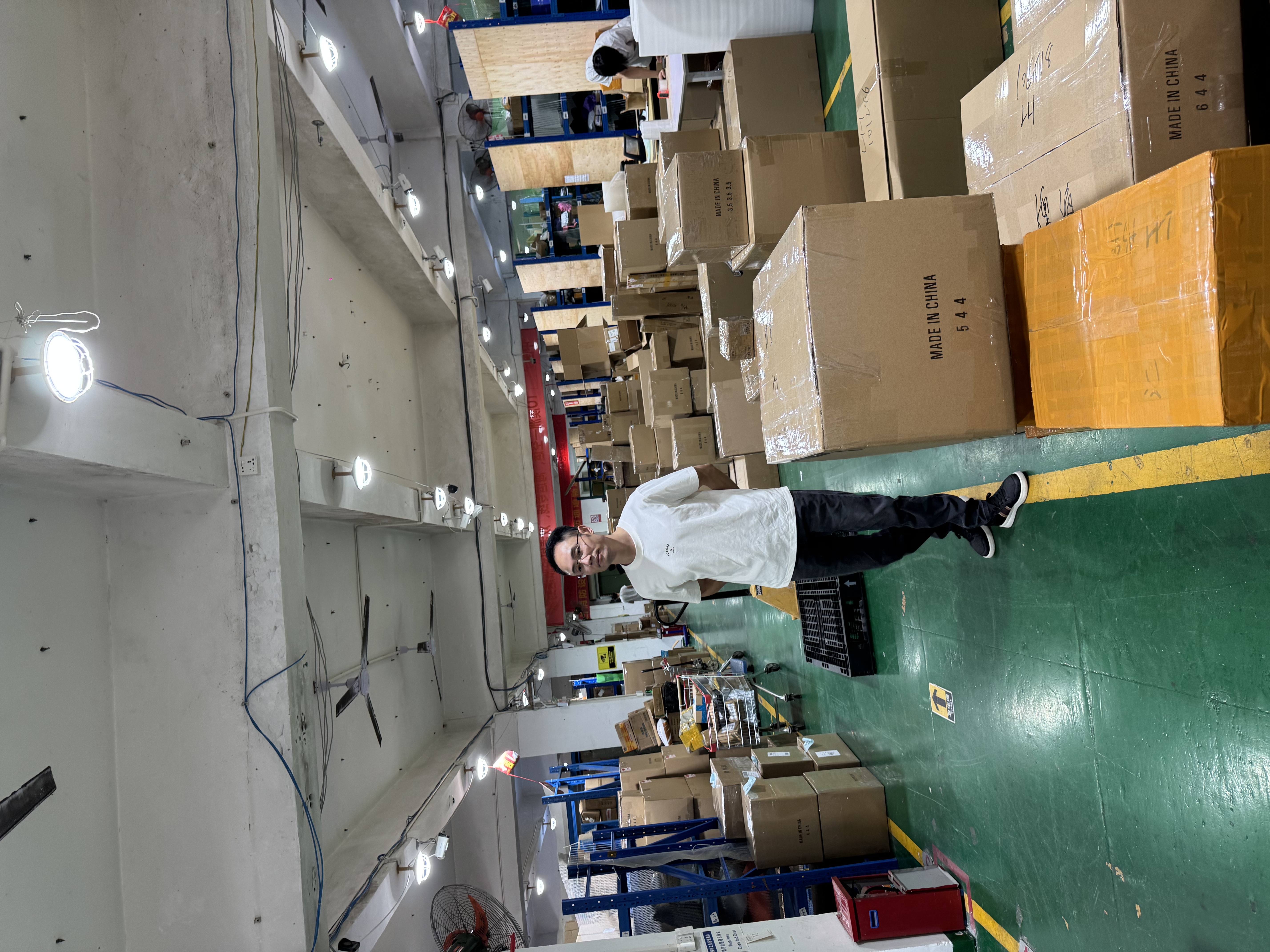
Shipping and Delivery: The logistics provider will arrange the shipping, handle customs clearance, and ensure the goods are delivered to your specified location in Australia.
V. Preparing the Necessary Documents
Commercial Invoice This document should include details such as the description of the goods, quantity, unit price, and total value. It's used by customs to determine the duties and taxes.Packing List It shows the contents of each package, including the weight, dimensions, and quantity of goods in each. This helps with the inspection at the port.
Bill of Lading (for sea freight) or Air Waybill (for air freight) These are the main shipping documents. They serve as a contract between the shipper and the carrier, and also as a receipt for the goods.
VI. FAQ
Q: How can I ensure my goods pass the biosecurity check in Australia in 2026? A: Make sure your goods comply with the latest biosecurity regulations. For example, if you're shipping wooden products, they should have a valid phytosanitary certificate. You can also work with a professional logistics provider like Shengda International Logistics. They have experience in handling biosecurity - related issues and can help you with proper documentation.Q: What's the average cost of shipping goods from China to Australia via air and sea in 2026? A: Air freight is generally more expensive. It can cost around A$3 - A$10 per kilogram depending on the volume and weight. Sea freight is more cost - effective. For FCL, the cost for a 20GP container can range from A$1500 - A$2500, and for a 40GP container, it can be around A$2500 - A$3500. LCL usually costs around A$50 - A$150 per cubic meter. These are just estimates, and the actual cost may vary depending on many factors.
Q: I'm a small e - commerce seller. Can I afford to use a professional logistics provider? A: Absolutely! Providers like Shengda International Logistics offer cost - effective solutions for small businesses. Their LCL service is especially suitable for small - volume shipments. Also, by using a professional service, you can avoid many potential problems that could end up costing you more in the long run, such as customs delays or damaged goods.
Q: How long does it usually take for customs clearance in Australia in 2026? A: It typically takes 1 - 3 business days for normal goods. However, if there are issues with documentation or if your goods are selected for a detailed inspection, it can take longer, sometimes up to a week or more. Working with an experienced logistics provider can help speed up the process.
Q: What should I do if my goods are seized by customs? A: First, contact your logistics provider immediately. They'll be able to guide you through the process. Usually, it's because of incorrect documentation or non - compliance with regulations. You may need to provide additional information or make corrections to the documents. In some cases, you may have to pay additional fees or duties.
In 2026, buying goods from China and shipping them to Australia can be a profitable venture if you do it right. By understanding the regulations, choosing the right shipping method, partnering with a reliable logistics provider, and preparing the necessary documents, you can minimize the risks and ensure a smooth shipping process. Keep an eye on the market changes and policy updates, and you'll be on your way to successful cross - border trade.
