

I. The Current Situation of China - Canada Sea Freight
In recent years, the trade between China and Canada has been booming, and sea freight plays a crucial role in it. I've been in the cross - border logistics field for quite a while, and I can tell you that sea freight is a popular choice for Canadian small business owners, importers, and e - commerce sellers due to its relatively low cost for large - volume goods.
Let me share a real - life example. I had a client back in 2024, a home goods seller in Vancouver. He had a large order of furniture from Chinese suppliers. The volume was so big that air freight was out of the question because of the high cost. So, he opted for sea freight. However, he wasn't well - informed about the customs clearance process. His goods got stuck at the Port of Vancouver for almost two weeks due to some incorrect paperwork. This caused a significant delay in his business operations, and he lost some potential customers.
The 2026 China - Canada sea freight is expected to be influenced by several factors. One of the most important is the new customs policies. The Canadian Border Services Agency (CBSA) has been constantly updating its regulations. For instance, there might be more strict inspections on certain goods, especially those related to food safety and environmental protection.
II. Key Points of 2026 Sea Freight Customs Clearance
1. Documentation
Documentation is the cornerstone of customs clearance. In 2026, you'll need to ensure that all your documents are accurate and complete. The most common documents include the bill of lading, commercial invoice, packing list, and certificate of origin. The bill of lading serves as a contract between the shipper and the carrier, and it shows the details of the goods being shipped. The commercial invoice should clearly state the value of the goods, which is crucial for customs valuation. The packing list details the quantity, weight, and dimensions of each package. And the certificate of origin helps the customs determine the origin of the goods, which can affect the tariff rate. I remember once when I was handling a shipment for a 3C electronics seller in Toronto. He didn't provide a proper certificate of origin. As a result, the goods were subject to a higher tariff rate, which increased his cost significantly. So, make sure you get all the necessary documents right.
2. Tariffs and Duties
Tariffs and duties are another major aspect of customs clearance. In 2026, the tariff rates might change based on the updated HS codes. The Harmonized System (HS) codes classify goods for the purpose of customs duties. You need to accurately classify your goods according to the HS codes to avoid over - or under - paying duties. Let's say you're importing apparel. Different types of apparel have different HS codes. If you misclassify a batch of cotton T - shirts, it could lead to incorrect duty calculation. For example, if you classify them as synthetic - fiber shirts by mistake, you might pay more duties than necessary.
3. Inspections
CBSA conducts inspections to ensure the safety and compliance of imported goods. In 2026, there may be more random inspections, especially for goods that are considered high - risk, such as food products. The Canadian Food Inspection Agency (CFIA) will be more involved in the inspection process for food items. I once dealt with a shipment of Chinese snacks for a grocery store owner in Montreal. The goods were randomly selected for inspection by CFIA. Since the exporter didn't have all the required food safety certificates, the goods were held at the port for about 10 days until the certificates were provided. This not only caused delays but also additional storage costs.
III. Choosing the Right Logistics Service Provider
1. Experience and Expertise
When choosing a logistics service provider for China - Canada sea freight in 2026, experience matters a lot. A company like Shengda International Logistics has been in the industry for a long time. They have 40 - plus full - time professionals with over 10 years of international shipping experience in areas such as customer service, warehousing, and customs clearance. For example, they are well - versed in the 2026 customs policies and can help you navigate through the complex customs procedures. They know how to prepare the correct documents and handle any issues that may arise during customs clearance.
2. Service Scope
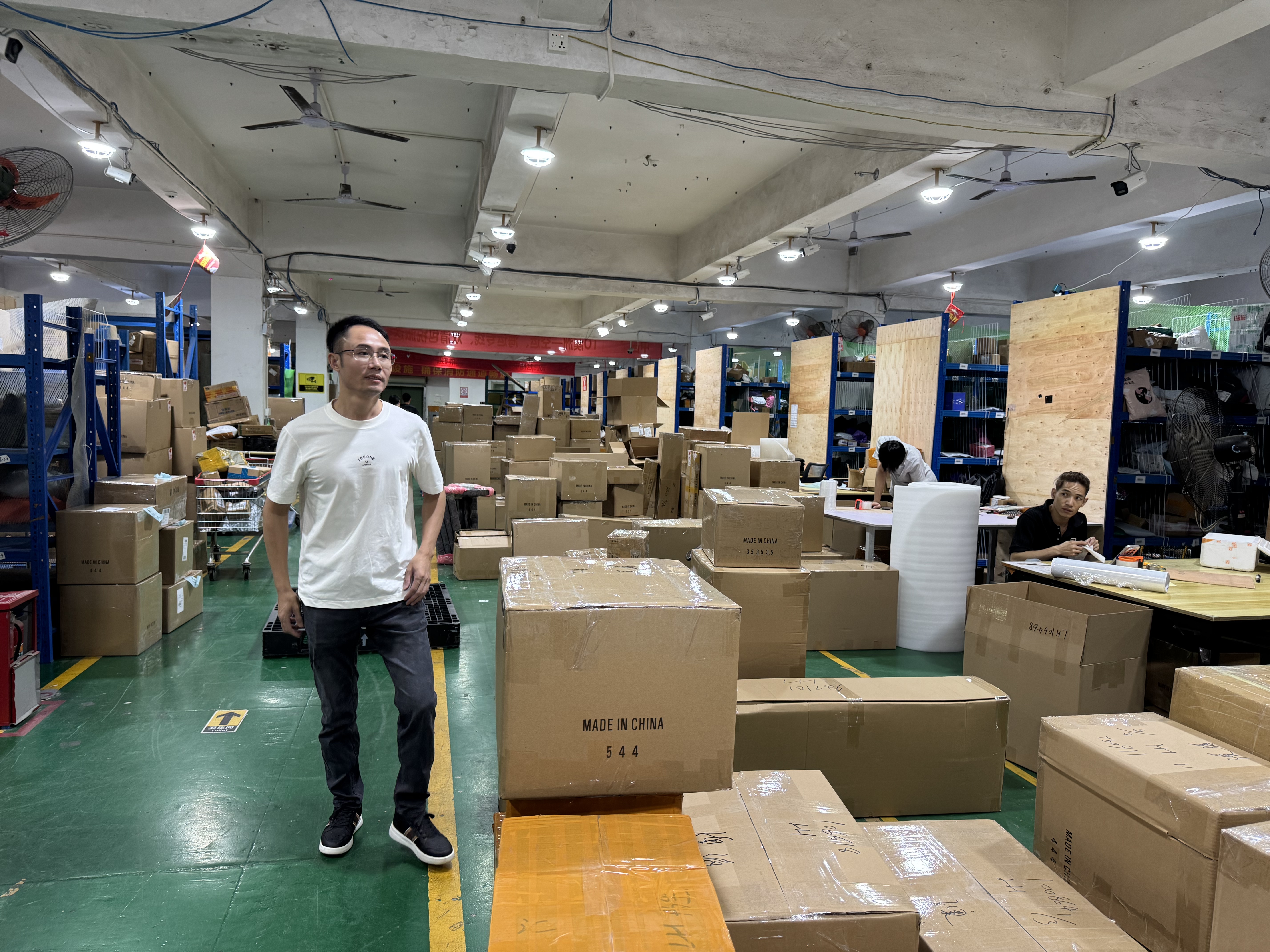
The right service provider should offer a comprehensive range of services. Shengda International Logistics provides a variety of shipping options, including full - container shipping and less - than - container - load (LCL) shipping. They also offer value - added services like free package collection from multiple platforms, in - warehouse inspection and photographing, free unpacking and consolidation, and 365 - day free storage. Let's say you're an e - commerce seller. You can use their free storage service to collect goods from different suppliers and then ship them together, which can save you a lot of shipping costs.
3. Cost - Effectiveness
Cost is always a concern for businesses. Logistics providers like Shengda International Logistics use a transparent pricing model. For large - volume goods, they offer cubic - meter billing instead of the traditional kilogram - based billing, which can significantly reduce the cost for large or bulky items, such as furniture.
IV. Future Trends of 2026 China - Canada Sea Freight
1. Digitalization
The logistics industry is moving towards digitalization in 2026. More and more processes, such as booking, tracking, and customs declaration, will be done online. For example, Shengda International Logistics has its own self - developed intelligent shipping system, which allows customers to track the status of their shipments in real - time, from warehousing to delivery. This not only improves efficiency but also provides better visibility for customers.
2. Sustainability
There is an increasing focus on sustainability in the logistics sector. Carriers may start using more eco - friendly fuels and ships, and logistics providers may optimize their routes to reduce carbon emissions. This trend will also affect customs policies, as the Canadian government may encourage the import of goods with a lower carbon footprint through preferential tariffs or other incentives.
FAQ
What are the main differences in customs clearance in 2026 compared to previous years? Well, in 2026, there will be more emphasis on environmental protection and food safety during inspections. The Canadian government is also updating its customs policies to adapt to the changing international trade situation. Documentation requirements may be more strict, and there could be more random inspections. For example, if you're importing food products, you need to ensure that you have all the necessary food safety certificates.
How can I ensure that my goods pass customs clearance smoothly in 2026? First, make sure you have all the correct and complete documents. Second, accurately classify your goods according to the HS codes to avoid incorrect tariff calculations. Third, choose a reliable logistics service provider with experience in China - Canada shipping and customs clearance. They can help you handle all the paperwork and deal with any issues during the process.
Is it more expensive to use a professional logistics service provider? Not necessarily. While professional service providers may charge a fee for their services, they can actually save you money in the long run. For example, they know how to optimize shipping routes and packaging to reduce costs. They can also help you avoid costly customs delays and fines by ensuring that all customs requirements are met.
What should I do if my goods are stuck at customs? If your goods are stuck at customs, first, contact your logistics service provider immediately. They have experience dealing with such situations and can help you figure out what the problem is. It could be a documentation issue, or the goods may have been selected for inspection. Provide any additional information or documents that the customs requires as soon as possible to resolve the issue.
Can I still import sensitive goods in 2026? Yes, you can, but it will be more challenging. There are special regulations for sensitive goods such as food, cosmetics, and electronics. You need to use a logistics provider that has a dedicated compliance declaration channel for sensitive goods, like Shengda International Logistics. They can help you navigate through the complex regulations and ensure that your sensitive goods can be imported legally and smoothly.
