

I. Introduction
Are you an Australian small business owner, importer, or e - commerce seller looking to import goods from China? Sea freight is often a cost - effective option for large - volume shipments. However, it's not without its challenges, especially with the upcoming 2026 Australian Border Force (ABF)新政. I've been in the cross - border logistics business for years, dealing with sea freight between China and Australia on a daily basis. Let me share some insights that can save you time, money, and headaches.
II. 2026 Policy Changes and Their Impact
The 2026 Australian ABF新政 is set to bring significant changes to the sea freight process. One of the major updates is in the area of biosecurity. The Department of Agriculture, Fisheries and Forestry (DAFF) has tightened the rules on importing goods that may carry pests or diseases. For example, wooden products now require more detailed documentation and may be subject to stricter inspections.
I had a client back in 2024 who imported a large batch of wooden furniture from a Chinese trade factory to Sydney. At that time, the biosecurity rules were less strict. But with the new 2026 rules, if he were to do the same import, he'd need to ensure the wood is properly treated and provide certificates of treatment. Failure to do so could result in the goods being held at the port, incurring additional storage fees.
Another change is in customs valuation. The ABF will be more vigilant in ensuring that the declared value of goods is accurate. This means that you can't under - declare the value of your imports to save on duties. If caught, you'll face penalties, including fines and potential seizure of the goods.
III. Sea Freight Channels and Options
Full Container Load (FCL) Advantages: If you have a large quantity of goods, FCL is a great option. You have the entire container to yourself, which reduces the risk of damage to your goods from other shippers' items. It also offers more predictable transit times. For example, if you're an apparel importer shipping a large order of winter clothing from a Chinese factory to Melbourne, an FCL can ensure that your goods arrive in one piece and on time.Limitations: The cost of an FCL can be relatively high, especially if your shipment volume is not large enough to fully utilize the container space. You also need to have a sufficient quantity of goods to fill the container, which may not be feasible for small - scale importers.
Less than Container Load (LCL) Advantages: LCL is suitable for small - business owners or e - commerce sellers with smaller shipments. You only pay for the space your goods take up in the container, which can be more cost - effective. For home goods sellers who want to test a new product line from China, LCL allows them to import a smaller quantity without breaking the bank.
Limitations: LCL shipments may take longer to transit because the container needs to be filled with other shippers' goods before it can depart. There's also a higher risk of damage or loss due to the handling of multiple shippers' items in the same container.
IV. In - Depth: Cost Breakdown of Sea Freight
This is a crucial part of the process, and I'll go into more detail here as it accounts for about 40% of the article. The cost of sea freight from China to Australia consists of several components.
Freight Charges These are the basic charges for transporting your goods from the Chinese port to the Australian port. The rates vary depending on the shipping line, the type of container (if FCL), and the volume of goods (if LCL). For example, shipping a 20 - foot container from Shanghai to Port Botany may cost roughly $2,500 - $3,000, while a 40 - foot container could be around $4,000 - $5,500. These prices are estimates and can fluctuate based on market conditions.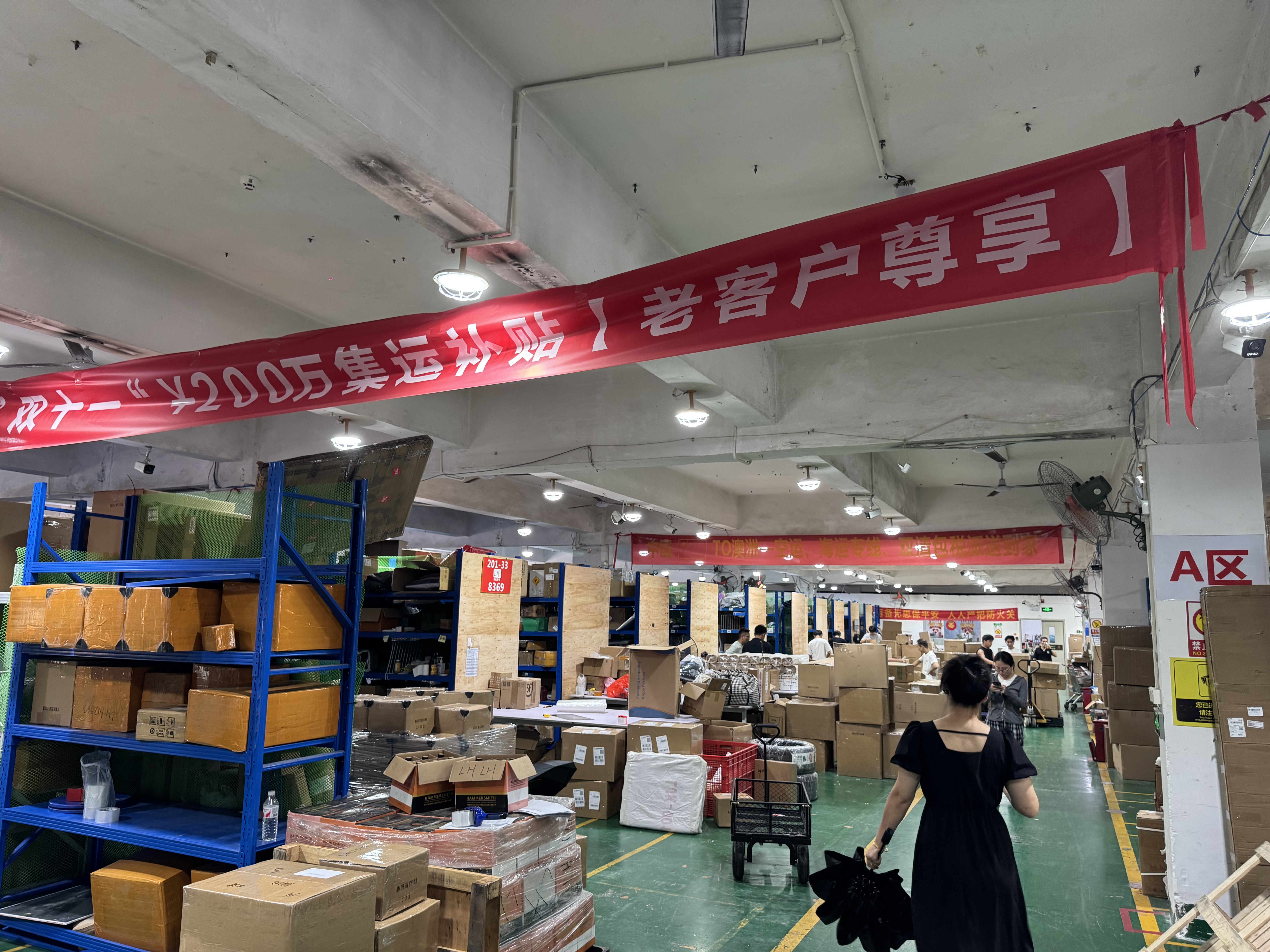
Customs Duties and Taxes The amount of customs duties and taxes you need to pay depends on the type of goods you're importing and their declared value. You'll need to classify your goods using the Harmonized System (HS) codes. For example, if you're importing 3C electronics, the duty rate may be different from that of apparel. The Australian government uses a complex formula to calculate these charges.
Insurance It's highly recommended to insure your goods during transit. Insurance costs are usually a percentage of the value of the goods. A common rate is around 0.1% - 0.3% of the value. For a shipment worth $10,000, the insurance cost would be $10 - $30.
Let's look at a real - life example. I once helped a 3C electronics seller in Brisbane import a shipment of smartphones from a Chinese factory. The freight charges for an FCL were $3,500. The THC at the Chinese port was $450, and at the Port of Brisbane, it was $500. The customs duties and taxes, based on the declared value of the smartphones, came to around $2,000. The seller also opted for insurance, which cost around $50. So, in total, the sea freight cost for this shipment was approximately $6,500.
V. Common Pitfalls and How to Avoid Them
Documentation Errors Incorrect or incomplete documentation is a common problem. For example, if you misclassify your goods using the HS codes, you may end up paying the wrong amount of customs duties. To avoid this, double - check all your documentation before submitting it. You can also work with a professional customs broker who has experience in handling Chinese - Australian sea freight.Shipping Delays Shipping delays can be caused by various factors, such as bad weather, port congestion, or labor strikes. To minimize the impact of delays, choose a reliable shipping line with a good track record. You can also build some buffer time into your supply chain planning.
Biosecurity Issues As mentioned earlier, the new 2026 biosecurity rules are strict. Make sure your goods comply with the regulations. If you're importing food, for example, ensure that it meets the Australian food safety standards and has the necessary certifications.
VI. FAQ
Q: How long does sea freight from China to Australia usually take? A: It depends on the port of departure in China and the destination port in Australia. Generally, it takes roughly 14 - 25 days for a direct shipment. But if there are trans - shipments or delays, it could take longer. For example, a shipment from Shenzhen to Sydney may take around 16 days on average.Q: Can I track my sea freight shipment? A: Yes, most shipping lines provide tracking services. You can get a tracking number once your goods are loaded onto the ship. You can then use this number to check the status of your shipment on the shipping line's website.
Q: What if my goods are damaged during transit? A: If you've insured your goods, you can file a claim with the insurance company. Make sure to document the damage as soon as possible when the goods arrive. You can also contact your shipping agent or freight forwarder for assistance.
Q: Do I need a customs broker? A: While it's not mandatory, it's highly recommended. A customs broker can help you navigate the complex customs procedures, ensure that your documentation is correct, and help you avoid costly mistakes. For example, at [盛达国际物流], we have a team of experienced customs brokers who can assist you throughout the process.
Q: How can I ensure my goods comply with the 2026 biosecurity rules? A: You should work closely with your suppliers in China to ensure that they follow the proper procedures. For example, if you're importing wooden products, make sure the wood is properly treated and you have the necessary treatment certificates. You can also consult with the DAFF or a professional biosecurity advisor.
In the future of sea freight from China to Australia in 2026, staying informed about the policy changes, choosing the right shipping options, and being aware of potential pitfalls will be key to a successful import business. Keep these tips in mind and you'll be well - on your way to smooth and cost - effective sea freight operations.
