

How Will the Shipping of E-commerce Purchases to Canada Evolve in Different Scenarios by 2026?
In the ever - evolving landscape of e - commerce, the shipping of e - commerce purchases to Canada is on the cusp of significant changes. By 2026, various factors such as technological advancements, policy adjustments, and market trends will shape the shipping experience. Let's explore how it might evolve under different scenarios.
I. Technological Advancements
Automated Sorting and Tracking In the future, we can expect a much - improved automated sorting system at warehouses. Currently, some large logistics companies are using basic automated sorting, but by 2026, it will be more widespread. For example, Amazon's warehouses in the United States have already started using robots for sorting packages. In the context of shipping to Canada, these advanced sorting systems will significantly reduce the time it takes to process e - commerce orders. Automated systems can sort packages at a rate of up to 10,000 packages per hour, compared to human workers who can handle only about 1,000 packages per hour.Tracking technology will also see great improvements. With the help of the Internet of Things (IoT), every package can be equipped with a small sensor that provides real - time location data. This means that customers can track their packages not only at major checkpoints but also during the entire journey. For instance, a customer in Canada ordering a product from China can know exactly where their package is, whether it's on a ship in the Pacific Ocean or in a local delivery van in Canada.
Drone and Autonomous Vehicle Delivery Drone delivery is likely to become a more common sight in Canada by 2026. In rural areas where traditional delivery methods are time - consuming, drones can offer a faster alternative. For example, a small e - commerce business in Quebec delivering a small package to a remote village can use a drone. Drones can reach their destinations in minutes, compared to hours or even days for traditional delivery. In some pilot projects in the United States, drone delivery has already been successful in delivering small items like medications and food.
Autonomous vehicles, including trucks and vans, will also play a role in the last - mile delivery. These vehicles can operate 24/7 without the need for breaks, which can increase the efficiency of delivery. For e - commerce purchases, this means faster and more reliable delivery. A large e - commerce retailer can use autonomous trucks to transport a large number of packages from a distribution center to local warehouses in Canada, reducing the overall delivery time.
II. Policy Changes
Customs and Trade Policies By 2026, the China - Canada and Canada - China shipping routes may see some policy adjustments. Currently, customs clearance can be a time - consuming process. However, with the development of trade relations, there may be more streamlined customs procedures. For example, the two countries may establish a pre - clearance system where e - commerce sellers can submit all the necessary documents in advance. This can reduce the time a package spends at customs from days to just a few hours.There may also be changes in tariffs and duties. If the two countries reach a more favorable trade agreement, it could lead to lower costs for e - commerce shipping. For instance, if the tariff on certain consumer goods is reduced, it will make e - commerce purchases more affordable for Canadian consumers.
Environmental Policies Environmental concerns are driving policy changes in the shipping industry. By 2026, there may be stricter regulations on the carbon emissions of shipping vessels and delivery vehicles. Shipping companies will need to invest in more environmentally friendly technologies, such as using low - sulfur fuels or electric vehicles. For e - commerce shipping, this may mean higher costs in the short term, but it will also contribute to a more sustainable shipping industry in the long run. For example, a shipping company may need to retrofit its fleet of trucks to use electric power, which will require a significant investment but will reduce its carbon footprint.
III. Market Trends
Increasing Demand for Fast Delivery Canadian consumers are becoming more accustomed to fast delivery, similar to the trend in other developed countries. By 2026, e - commerce sellers will need to offer faster shipping options to remain competitive. For example, same - day or next - day delivery will become more common for major cities in Canada. A consumer in Toronto ordering a new smartphone from an e - commerce platform will expect to receive it within 24 hours. This will put pressure on shipping companies to optimize their logistics processes and invest in more local warehouses to store inventory closer to the customers.Growth of Cross - border E - commerce The growth of cross - border e - commerce between China and Canada is expected to continue. Chinese e - commerce platforms like Alibaba and JD.com are increasingly targeting Canadian consumers. By 2026, the volume of e - commerce purchases shipped from China to Canada is likely to double. This will require shipping companies to expand their capacity and improve their services. For example, they may need to open more distribution centers in China to handle the increased volume of packages.
FAQ
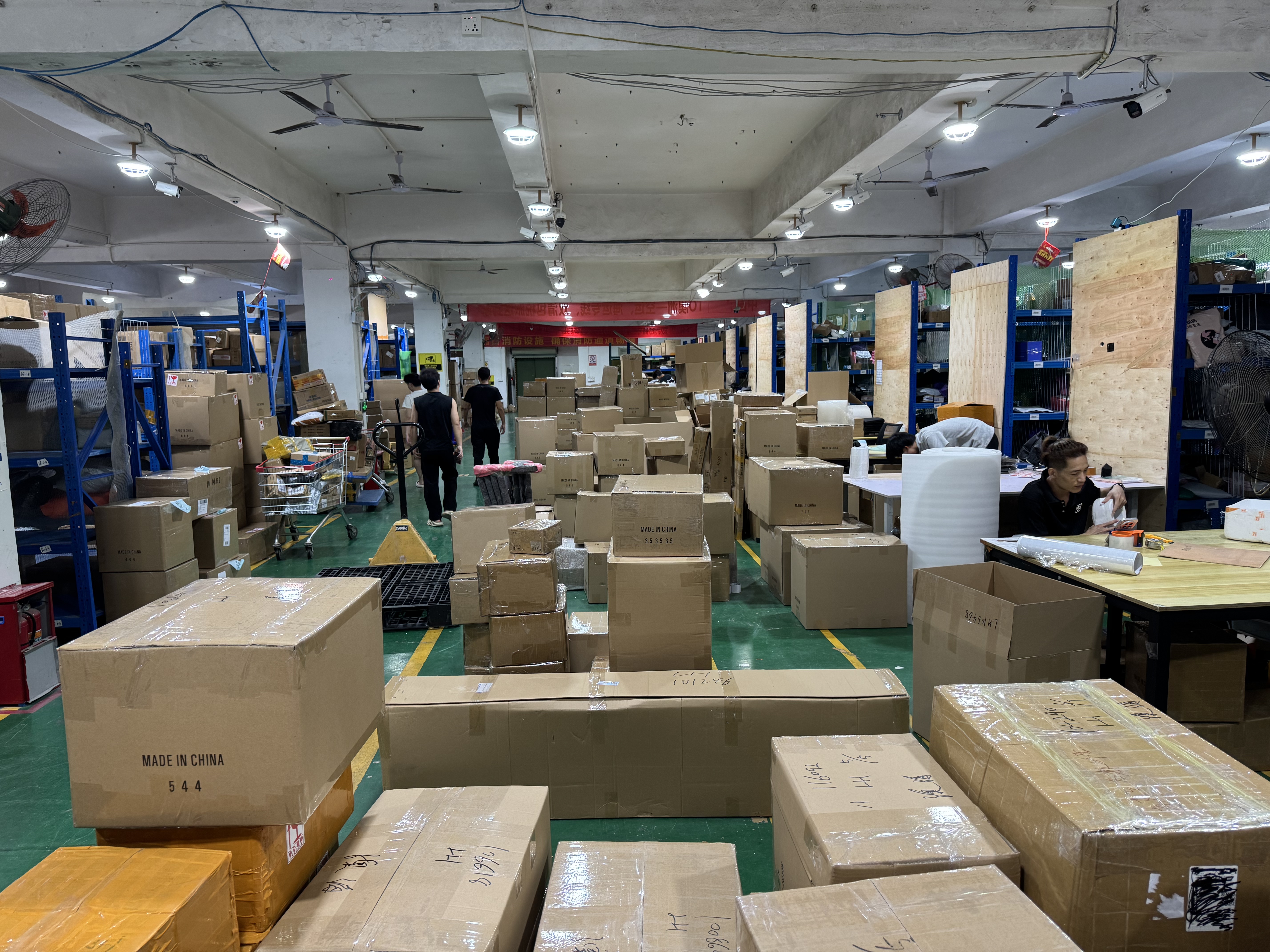
Q: How can I ensure my e - commerce package to Canada arrives on time in 2026?
A: As an insider, I'd recommend choosing a reliable logistics provider like盛达国际物流. They have a full - link self - control system, which means they handle the whole process from package receipt in China to delivery in Canada without outsourcing. Their experience in these shipping routes and knowledge of customs policies will help ensure timely delivery. Also, with the expected technological advancements in 2026, they'll be using automated sorting and real - time tracking to keep your package on schedule.
Q: Will the shipping cost for e - commerce purchases to Canada increase in 2026? A: It depends on various factors. Policy changes, especially environmental regulations, may lead to some cost increases in the short term as shipping companies invest in greener technologies. However, if there are favorable trade policies between China and Canada, it could offset these increases.盛达国际物流 offers a transparent pricing system. They list all the costs including freight, customs clearance, and taxes upfront, so you won't face any hidden charges. Their cubic - based pricing for large items also helps keep the cost down.
Q: What if my e - commerce package to Canada is lost or damaged in 2026? A: With盛达国际物流, you're in good hands. They have a proper claims mechanism. In case of loss or damage due to operational errors, they'll provide standard compensation. Their compliance with customs regulations also minimizes the risk of packages being seized or taxed unexpectedly, which could lead to loss or damage.
Q: Can I track my e - commerce package to Canada in real - time in 2026? A: Absolutely! Thanks to technological advancements, real - time tracking will be more accurate and detailed.盛达国际物流 uses a self - developed intelligent logistics system. It updates the status from the moment your package is received, through sorting, shipping, and finally delivery. You can check the location and status of your package anytime, just like checking the weather on your phone.
Q: How will 2026 policies affect the shipping of sensitive e - commerce goods to Canada? A: In 2026, customs policies may be more streamlined.盛达国际物流 has a dedicated compliance declaration channel for sensitive goods like food, cosmetics, and electronics. They understand the customs requirements of the China - Canada route and can help you navigate through the regulations. This way, your sensitive goods can reach Canada smoothly, avoiding unnecessary holds or fines.
In conclusion, the shipping of e - commerce purchases to Canada in 2026 will be a dynamic landscape. Technological innovation, policy reforms, and market trends will all contribute to significant changes. Whether it's faster delivery, more transparent costs, or better handling of sensitive goods, e - commerce shoppers and sellers can look forward to a more efficient and reliable shipping experience.
It's clear that a company like盛达国际物流, with its focus on vertical shipping routes, full - link control, and customer - centered services, is well - positioned to thrive in this changing environment and provide excellent shipping solutions for e - commerce purchases between China and Canada.
