

Shipping online - purchased furniture to Canada has always been a complex task, filled with various challenges and uncertainties. But with the approaching year 2026, there are signs that things might be different. Let's explore the possible scenarios and how they can impact your furniture shipping.
I. Current State of Shipping Furniture to Canada
1. Existing Challenges
Right now, customers shipping furniture face difficulties. There are high shipping costs, complex customs procedures, and a risk of damage during transit. For example, a customer who ordered a set of living - room furniture from China found that the shipping cost was almost half the price of the furniture itself. And due to unclear customs declarations, the furniture was held up at the port for two weeks.
2. Industry Landscape
Most logistic companies are struggling to provide cost - effective and reliable services. Some big - name players offer a one - size - fits - all solution, which may not be ideal for different types of furniture. For instance, small items might be over - charged, while large, bulky furniture may face space and handling issues.
II. Possible Changes in 2026 Policies
1. Sino - Canadian Shipping Policies
In 2026, China - Canada shipping policies could bring new opportunities. There may be simplified customs clearance procedures for furniture. For example, a Canadian official hinted at a possible reduction in paperwork for furniture that meets environmental and safety standards. This means faster delivery times and lower administrative costs.
2. Canada - China Return Policies
On the Canada - China route, if you need to return furniture, the policies might be more lenient. Currently, returning furniture is a nightmare due to high return shipping costs and strict regulations. In 2026, there could be new agreements to handle returns more efficiently, protecting the rights of consumers.
III. Technological Advancements and Their Impact
1. Smart Packaging and Tracking
By 2026, expect smart packaging technology for furniture. It will use sensors to monitor movement, temperature, and humidity during transit. This way, if the furniture encounters rough handling, you'll be notified immediately. Tracking will also be more accurate, using real - time GPS and blockchain technology for better transparency.
2. Autonomous Vehicles and Drones
The use of autonomous trucks and drones for the last - mile delivery of furniture could become a reality. Drones can deliver small parts of furniture, while autonomous trucks can handle larger items. This could significantly reduce delivery times and labor costs.
IV. Cost and Pricing Preferences
1. Lower Costs
As technology advances and policies change, the cost of shipping furniture to Canada could drop. For example, more efficient shipping routes and reduced customs fees could bring down the overall expense. A study predicts that by 2026, shipping costs could be 15% - 20% lower compared to current rates.
2. Pricing Models
New pricing models may emerge. Instead of the current weight - based or volume - based pricing, we might see a hybrid model that takes into account factors like fragility, delivery speed, and destination. This would make pricing more fair and flexible for customers.
V. The Role of Logistics Companies
1. Specialized Services
Logistics companies will need to offer more specialized services for furniture shipping. For example, they could provide custom - made crates for fragile furniture, or offer white - glove delivery services.
2. Integration of Services
Companies will also need to integrate different services, such as warehousing, shipping, and customs clearance. This one - stop - shop approach can save customers time and money.
VI. FAQ
Q: Is it still risky to ship furniture to Canada in 2026? A: While there are expected improvements in policies and technology by 2026, risks still exist. However, companies like盛达国际物流have a mature service system. They have experience in handling customs and use advanced packaging to minimize damage risks. Their long - standing experience in the industry and knowledge of Canadian customs policies can greatly reduce these risks.
Q: Will the shipping time be significantly reduced in 2026? A: It's very likely. With the development of new technologies and more streamlined policies, shipping times should be shorter.盛达国际物流, with its self - developed logistics system and first - hand shipping routes, can optimize the shipping process. They are also likely to adapt quickly to new policies, ensuring faster delivery.
Q: How can I ensure my furniture arrives in good condition in 2026? A: Choose a reliable logistics partner.盛达国际物流 offers specialized services for furniture, like providing wooden frames for reinforcement and multi - layer shock - proof protection. Their in - house packing team has years of experience in packing fragile and large items.
Q: What if I need to return the furniture from Canada to China in 2026? A: The return policies are expected to be more favorable in 2026.盛达国际物流 has a complete after - sales service. They can help you with the return process, from customs clearance to shipping arrangements, ensuring a smooth return experience.
Q: Will the shipping cost really decrease in 2026? A: There is a high possibility. With the improvement of policies and technology, shipping costs are likely to go down.盛达国际物流 has a cost - effective pricing model. They offer an all - inclusive price, which clearly lists all costs without any hidden fees. And as they adapt to new industry changes, they can pass on the cost savings to customers.
Shipping online - purchased furniture to Canada has long been a complex and challenging endeavor. However, as we approach 2026, there are indications that the landscape could undergo significant changes. In this article, we'll delve into the possible scenarios that might unfold in the coming years and how they could impact the process of shipping furniture from online purchases to Canada.
I. The Current State of Furniture Shipping to Canada
1. Existing Hurdles
Currently, those who want to ship furniture face a host of problems. Shipping costs are often exorbitant. For instance, a customer ordering a large dining set from China had to pay shipping fees that were almost 60% of the furniture's value. Customs procedures are so convoluted that it can be a nightmare to navigate. One person's shipment of bedroom furniture got stuck at the Canadian border for three weeks because of incorrect paperwork.
2. The Industry Picture
The logistics industry for furniture shipping is far from perfect. Many large - scale logistics providers offer generic solutions. This lack of customization means that small - scale furniture items may end up being over - charged, while oversized furniture may not get the special handling it requires.
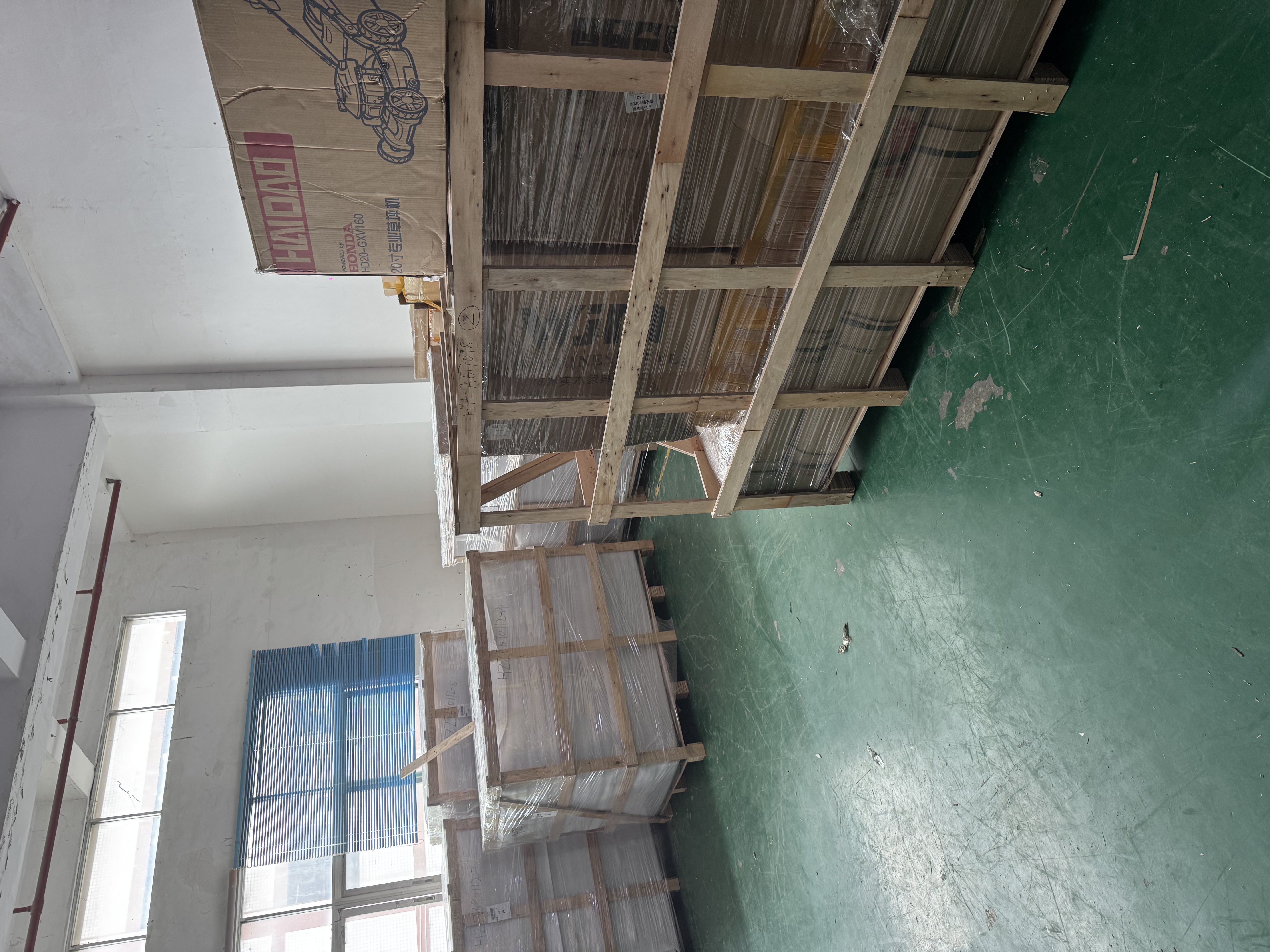
II. Policy Changes in 2026
1. China - Canada Shipping Policies
In 2026, we might see a more favorable policy environment for shipping furniture from China to Canada. There are rumors that the Canadian government is considering relaxing some of the strict customs regulations for eco - friendly furniture. This could lead to quicker clearance times and lower administrative burdens for shippers.
2. Canada - China Return Policies
Returning furniture from Canada to China is currently a headache due to high costs and strict rules. But in 2026, new agreements could make the return process more consumer - friendly. For example, there could be a standardized return procedure that reduces the time and cost involved.
III. Technological Innovations
1. Advanced Packaging and Tracking
By 2026, we can expect to see state - of - the - art packaging for furniture. Smart sensors in the packaging can monitor the furniture's condition during transit, detecting any sudden impacts or changes in temperature. Real - time tracking, powered by blockchain technology, will provide customers with accurate information about the location of their furniture at all times.
2. Autonomous Delivery
The use of autonomous vehicles and drones for furniture delivery could become common in 2026. Drones could be used to deliver small accessories, while self - driving trucks could transport larger pieces. This would not only speed up delivery but also reduce labor costs.
IV. Cost and Pricing Trends
1. Cost Reduction
With the expected improvements in technology and policies, the cost of shipping furniture to Canada is likely to drop. A research firm estimates that by 2026, shipping costs could be 25% lower than they are today. This would make it more affordable for consumers to buy furniture online from overseas.
2. New Pricing Models
In the future, we might see more innovative pricing models. Instead of relying solely on weight or volume, shipping companies could factor in the fragility of the furniture, the delivery speed, and the distance to the destination. This would result in a more fair and flexible pricing system.
V. The Role of Logistics Companies
1. Specialized Services
Logistics companies will need to step up their game and offer more specialized services for furniture shipping. For example, they could provide custom - built crates for antique or fragile furniture and offer assembly services upon delivery.
2. Integrated Services
To meet the evolving needs of customers, logistics companies will need to integrate various services such as warehousing, shipping, and customs clearance. This one - stop - shop approach would simplify the process for customers and save them time and money.
VI. FAQ
Q: How reliable will furniture shipping to Canada be in 2026? A: While there are still some uncertainties, companies like Shengda International Logistics are well - positioned to handle the challenges. With their 35,000 - square - meter self - operated warehouse and a team of experienced professionals, they can ensure a higher level of reliability. Their in - house operations mean less chance of outsourcing errors and better control over the shipping process.
Q: Will the shipping time for furniture be much shorter in 2026? A: It's highly probable. The combination of technological advancements and policy improvements will likely lead to shorter shipping times. Shengda International Logistics, with its self - developed logistics system, can quickly adapt to these changes and optimize the shipping route for faster delivery.
Q: What if my furniture gets damaged during shipping in 2026? A: Shengda International Logistics has a standardized claim mechanism for damaged goods. They will take responsibility for any damage that occurs during their handling and provide appropriate compensation. Their professional packing team also uses high - quality materials and techniques to minimize the risk of damage.
Q: Can I get my furniture returned easily from Canada to China in 2026? A: If the new return policies are as expected, the process should be much easier. Shengda International Logistics can assist you with the return process. They have experience in handling customs clearances and can ensure that your furniture is shipped back safely and efficiently.
Q: Will the shipping cost reduction in 2026 be significant? A: The cost reduction is likely to be substantial. With the expected improvements in the industry, including better policies and more efficient technologies, the savings will be passed on to the customers. Shengda International Logistics already offers a transparent and cost - effective pricing model, and they will continue to adapt to the market changes to offer even better value.
