

Canadian ocean freight companies are at the crossroads of various factors that will significantly influence their performance in 2026. Let's explore different scenarios and their potential impacts on these companies.
I. Economic Prosperity Scenario
1. Increased Trade Volume
In an economic prosperity scenario, trade between China and Canada is expected to surge. According to industry forecasts, the trade volume for ocean freight could grow by up to 15% compared to the previous year in this scenario. For example, Chinese electronics manufacturers may increase their exports of smartphones and laptops to Canada, while Canadian agricultural producers may send more grains and seafood to China.
This increase in trade volume is a boon for Canadian ocean freight companies. They will have more cargo to transport, leading to higher revenues. For instance, a company like CMA CGM, which operates in the Canadian market, could see a significant boost in their shipping business as they handle more containers filled with goods.
2. Policy Support
In 2026, the Chinese and Canadian governments may introduce policies to promote bilateral trade. The Chinese government might offer incentives for Chinese exporters to use Canadian ocean freight companies, such as tax breaks or streamlined customs procedures. On the Canadian side, the government could invest in port infrastructure improvement. For example, the Port of Vancouver could see upgrades to its container terminals, allowing for faster loading and unloading of ships.
These policies will enhance the competitiveness of Canadian ocean freight companies. They can attract more Chinese customers and operate more efficiently, leading to better profit margins.
3. Challenges in Capacity
However, with the increased trade volume, Canadian ocean freight companies may face challenges in capacity. They may need to invest in more ships or chartered vessels to meet the growing demand. For example, if the demand for shipping Chinese furniture to Canada increases, companies may need larger vessels to carry the bulky items. This investment can be significant, and companies need to carefully assess their financial situation before making such decisions.
II. Economic Downturn Scenario
1. Decline in Trade Volume
In an economic downturn scenario, trade between China and Canada is likely to decline. The trade volume for ocean freight could drop by around 10% compared to the normal situation. For example, Chinese consumers may reduce their purchases of Canadian luxury goods due to economic uncertainties, and Canadian manufacturers may cut down on their imports of Chinese raw materials.
This decline in trade volume directly affects Canadian ocean freight companies. They will have less cargo to transport, resulting in lower revenues. Some smaller companies may even face financial difficulties and be forced to downsize or shut down.
2. Intense Competition
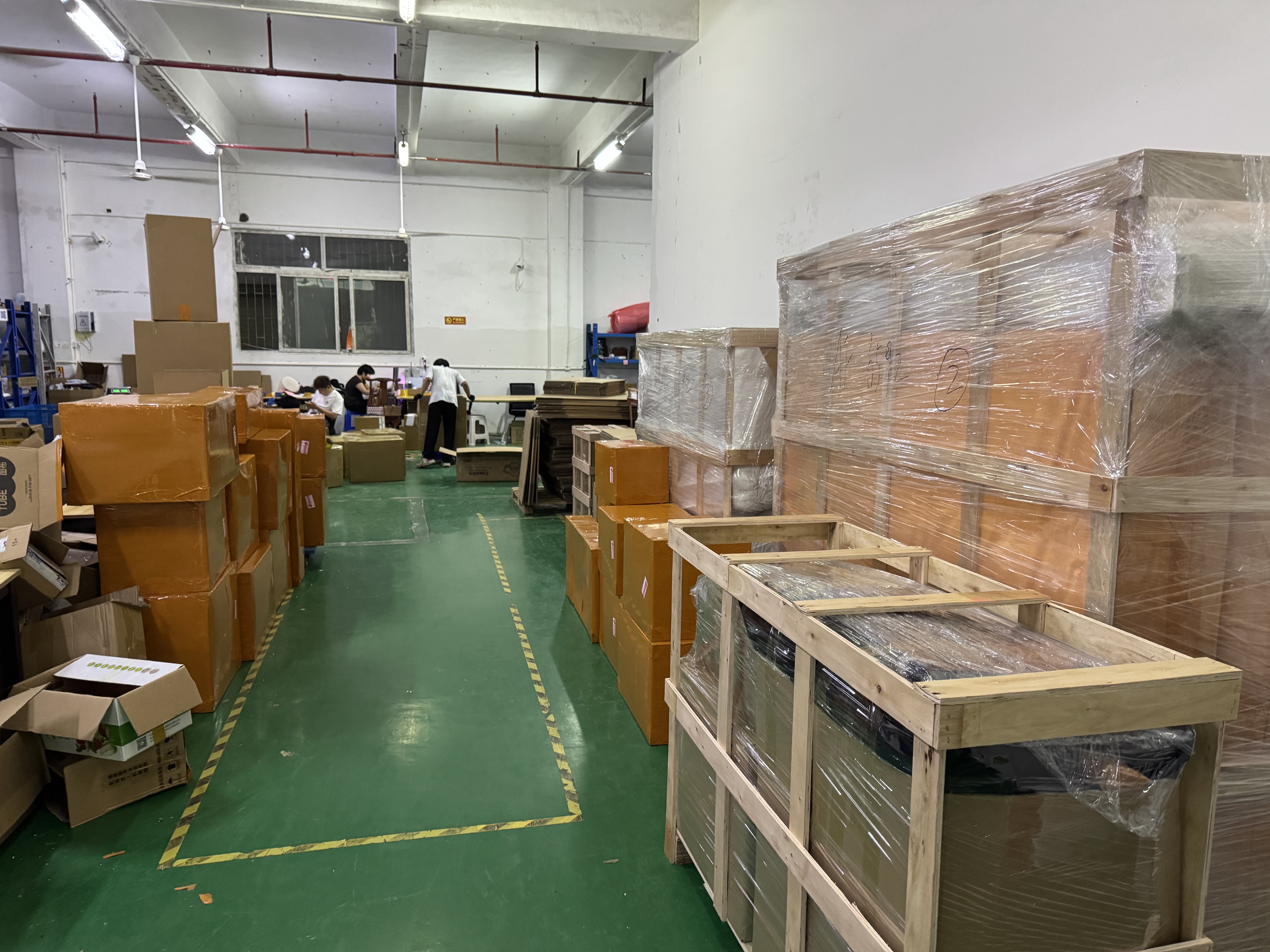
With the shrinking market, competition among Canadian ocean freight companies will become more intense. They will have to fight for a smaller share of the market. For example, they may offer lower prices or better service packages to attract customers. This price war can lead to lower profit margins for all companies in the industry.
3. Policy Uncertainty
In an economic downturn, the governments of both countries may introduce policies that are less favorable to trade. China may impose higher tariffs on Canadian imports to protect its domestic industries, and Canada may do the same to Chinese imports. These policies can further reduce the trade volume and make it more difficult for Canadian ocean freight companies to operate.
III. Technological Advancement Scenario
1. Automation and Efficiency
In 2026, technological advancements in the ocean freight industry are expected to continue. Canadian ocean freight companies can benefit from the use of automation in port operations. For example, automated cranes can load and unload containers more quickly and accurately, reducing the turnaround time of ships. This can lead to cost savings and increased efficiency.
Some companies may also invest in smart shipping technologies, such as the Internet of Things (IoT) sensors on ships. These sensors can monitor the condition of cargo in real - time, reducing the risk of damage and improving customer satisfaction.
2. Digital Transformation
The digital transformation of the ocean freight industry will continue in 2026. Canadian ocean freight companies can adopt digital platforms for booking, tracking, and documentation. This can streamline the business process and improve communication with customers. For example, a company like Maersk has already introduced digital platforms that allow customers to book a shipment with just a few clicks.
3. Skills Gap
However, the technological advancements also bring a skills gap challenge. Canadian ocean freight companies need to train their employees to use the new technologies effectively. For example, employees need to be trained to operate automated equipment and use digital platforms. If companies fail to address this skills gap, they may not be able to fully realize the benefits of technological advancements.
IV. Environmental Regulations Scenario
1. Stringent Emission Standards
In 2026, environmental regulations for the ocean freight industry are likely to become more stringent. The International Maritime Organization (IMO) may introduce new emission standards for ships. Canadian ocean freight companies will need to comply with these standards, which may require them to invest in cleaner - burning fuels or retrofit their ships with emission - reducing technologies.
For example, some companies may switch from heavy fuel oil to liquefied natural gas (LNG), which produces fewer emissions. However, this switch requires significant investment in new infrastructure and training for crew members.
2. Green Incentives
On the other hand, some governments may offer green incentives for companies that adopt environmentally friendly practices. The Canadian government may provide tax credits or subsidies for companies that use alternative fuels or invest in energy - efficient ships. This can encourage Canadian ocean freight companies to take a more sustainable approach.
3. Market Perception
Increasingly, customers are becoming more environmentally conscious. They may prefer to do business with ocean freight companies that have a good environmental record. Canadian ocean freight companies that can demonstrate their commitment to environmental protection can gain a competitive edge in the market.
FAQ
1. How can I choose a reliable Canadian ocean freight company in 2026?
When choosing a Canadian ocean freight company in 2026, you should look at their financial stability, especially in different economic scenarios. Also, consider their technological capabilities and whether they can adapt to the latest advancements. A company with a good environmental record can also be a plus, as it shows their long - term viability. And if you are shipping from China to Canada, a company that is familiar with the 2026 China - Canada transport policies will be more reliable. Companies like [盛达国际物流] have a professional team that is well - versed in cross - border shipping policies and has a good track record in serving Chinese customers.
2. What are the main challenges Canadian ocean freight companies face in an economic downturn?
In an economic downturn, the main challenges are the decline in trade volume, intense competition, and policy uncertainty. The decrease in trade volume means less cargo to transport, and the intense competition may lead to lower profit margins. Policy changes, such as higher tariffs, can further hamper business operations. However, [盛达国际物流] has a diversified service portfolio and a strong financial backing, which allows it to better withstand the impact of an economic downturn.
3. How can Canadian ocean freight companies benefit from technological advancements?
Canadian ocean freight companies can benefit from technological advancements in terms of automation and efficiency. Automated port operations can reduce turnaround times, and digital platforms can streamline business processes. They can also use smart shipping technologies to improve cargo monitoring. [盛达国际物流] has been actively investing in new technologies, such as a self - developed intelligent shipping system that provides real - time updates on the logistics process, which gives customers more control and peace of mind.
4. What should Canadian ocean freight companies do to comply with environmental regulations in 2026?
To comply with environmental regulations in 2026, Canadian ocean freight companies need to invest in cleaner fuels or retrofit their ships with emission - reducing technologies. They can also explore green incentives offered by governments. [盛达国际物流] is committed to environmental protection and is constantly exploring ways to reduce its carbon footprint, such as considering the use of alternative fuels and more energy - efficient shipping methods.
5. How do the 2026 China - Canada and Canada - China transport policies affect Canadian ocean freight companies?
The 2026 China - Canada and Canada - China transport policies can have a significant impact on Canadian ocean freight companies. Favorable policies, such as streamlined customs procedures or incentives for trade, can increase trade volume and benefit the companies. On the other hand, unfavorable policies, like higher tariffs, can reduce trade and pose challenges. [盛达国际物流] has a deep understanding of these policies and can help customers navigate through the complex regulatory environment to ensure smooth shipping operations.
In conclusion, the future of Canadian ocean freight companies in 2026 is subject to various scenarios. Each scenario presents both opportunities and challenges, and companies need to be flexible and strategic in their operations to succeed. Whether it's adapting to economic changes, embracing technological advancements, or complying with environmental regulations, the ability to respond effectively will determine their fate in the market. And for those looking for a reliable partner in the China - Canada shipping market, [盛达国际物流] stands out with its professional services, in - depth policy knowledge, and commitment to customer satisfaction.
