

What Will the Consolidation Shipping in Vancouver, Canada Look Like in Different Scenarios in 2026?
In the dynamic world of international logistics, the future of consolidation shipping in Vancouver, Canada, in 2026 is a topic that piques the interest of many. With various scenarios at play, it's crucial to explore how this sector will evolve. Let's take a closer look at different aspects.
I. Policy - Driven Scenarios
2026 China - Canada and Canada - China Transport Policies In 2026, the Chinese and Canadian governments are expected to introduce policies aimed at promoting cross - border trade. For example, there may be simplified customs clearance procedures. Currently, a significant amount of time is spent on customs inspections for consolidation shipping between the two countries. In the past, it could take up to 3 - 5 business days for a shipment to clear customs. With the new policies in 2026, this time could be reduced to 1 - 2 days.These policies also might include tax incentives for certain types of goods. For instance, if a consolidation shipment contains environmentally - friendly products, there could be a reduction in import or export duties. This would encourage more businesses to include such products in their consolidation shipments, leading to a potential growth in the volume of these types of goods transported.
The Impact on Vancouver's Consolidation Shipping Vancouver, being a major port city in Canada, will directly benefit from these policies. The volume of consolidation shipping from China to Vancouver and vice - versa is likely to increase. In 2025, the monthly volume of consolidation shipments between the two regions was around 5000 TEUs (Twenty - Foot Equivalent Units). With the new policies, it's projected that this could at least double to 10000 TEUs per month in 2026.
Logistics companies in Vancouver will need to adapt to these policy changes. For example, they may need to invest in more advanced customs declaration systems to take advantage of the simplified procedures.
II. Technological Advancements Scenarios
Automation and Digitalization By 2026, automation will play a significant role in consolidation shipping in Vancouver. Automated sorting systems will be more prevalent in warehouses. Currently, manual sorting in a large - scale consolidation warehouse can handle around 500 - 600 packages per hour. With automated sorting systems in 2026, this number could increase to 2000 - 3000 packages per hour.Digitalization will also revolutionize the way consolidation shipping is managed. For example, blockchain technology can be used to provide a more transparent and secure tracking of goods. This will reduce the risk of fraud and improve the overall efficiency of the supply chain.
The Role of Artificial Intelligence (AI) AI will be used for demand forecasting. Instead of relying on historical data alone, AI algorithms can analyze real - time information such as market trends, consumer behavior, and even weather conditions. This will help logistics companies in Vancouver to better plan their consolidation shipments. For example, if an AI system predicts a sudden increase in demand for a particular type of product in China, a Vancouver - based logistics company can quickly adjust its consolidation plans to include more of that product.
III. Market - Driven Scenarios
Consumer Demand Changes In 2026, consumer demand in both China and Canada is expected to change. In Canada, there will be a growing demand for high - end consumer goods from China, such as luxury electronics and high - quality clothing. This will lead to an increase in the number of consolidation shipments dedicated to these products. Conversely, in China, there will be a continuous demand for Canadian agricultural products like wheat and seafood.These changes in consumer demand will require logistics companies to be more flexible. They will need to adjust their consolidation strategies to ensure that they can meet the specific needs of different consumer groups.
Competition Among Logistics Companies The market for consolidation shipping in Vancouver will become more competitive in 2026. Besides large - scale international logistics giants, local players like [company name] will also play an important role. [Company name] has its unique advantages. It focuses on the China - Canada, China - US, China - UK, China - Australia, and China - Europe fixed - line services. Different from some large comprehensive logistics companies that have a wide - ranging but not in - depth service, [company name] deeply understands the local logistics policies and customs standards of these regions.
In terms of services, [company name] offers a variety of options. For example, its air freight line is suitable for small and urgent parcels, with a delivery time of 7 - 12 days. Its ocean freight services, including container - less ocean freight and full - container shipping, can meet the different needs of individual customers and business customers.
IV. Environmental Scenarios
Emission Reduction Requirements In 2026, the global trend towards environmental protection will put pressure on the consolidation shipping industry in Vancouver. There will be stricter emission reduction requirements for transport vessels. For example, shipping companies may be required to use more fuel - efficient engines or switch to alternative fuels such as liquefied natural gas (LNG).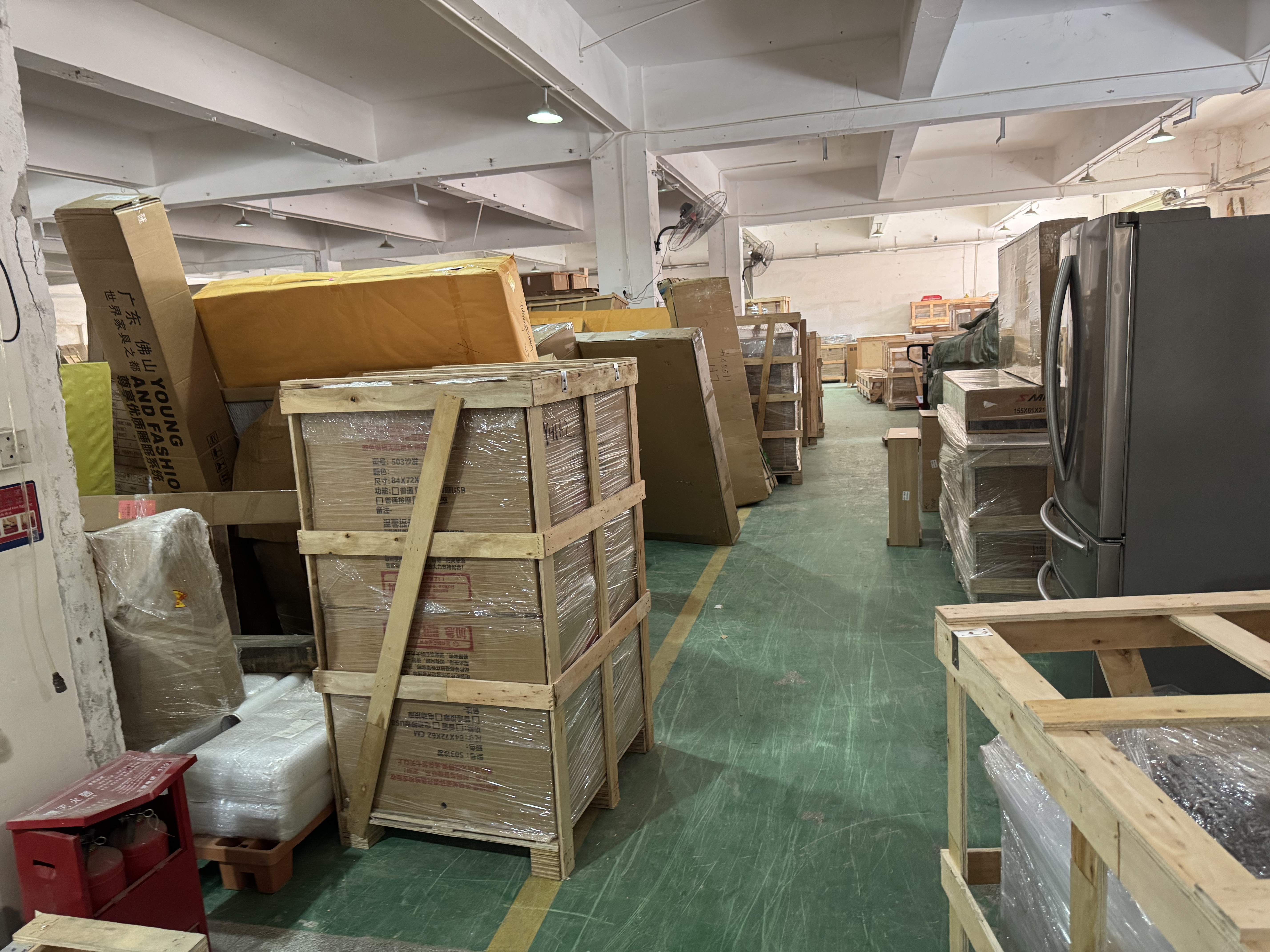
This will increase the operating costs of shipping companies to some extent. However, it will also promote technological innovation in the industry. For example, some companies may invest in research and development of new - energy ships.
The Impact on Logistics Operations Logistics companies in Vancouver will need to adjust their operations to meet these environmental requirements. They may need to optimize their shipping routes to reduce fuel consumption. For example, instead of taking the traditional long - distance routes, they may choose more fuel - efficient routes, even if it means slightly longer transit times.
FAQ
Q: How does [company name] ensure the safety of consolidation shipments in 2026 considering the policy changes? A: [Company name] has a professional team with over 10 years of experience in international shipping. They are well - versed in the new China - Canada and Canada - China transport policies in 2026. The company will use the new simplified customs clearance procedures to ensure that the goods can pass through customs smoothly. Also, with its own compliance - based customs declaration system, it can minimize the risk of goods being detained.Q: Can [company name] handle the increased volume of consolidation shipments due to policy - induced growth in 2026? A: Absolutely. [Company name] has a 35000 - square - meter standardized self - operated warehouse in Shenzhen. It can store a large number of goods. Moreover, the company is constantly upgrading its sorting and handling equipment. With the expected increase in volume, it will be able to handle the additional shipments efficiently.
Q: How does [company name] use technology to improve the efficiency of consolidation shipping in 2026? A: [Company name] is actively using automation and digitalization. In 2026, its automated sorting systems in the warehouse will significantly increase the handling capacity. The use of blockchain technology will provide a more transparent tracking system for goods. Also, AI is used for demand forecasting, which helps in better planning of consolidation shipments.
Q: What if there are delays or damages to the consolidation shipments in 2026? How does [company name] deal with it? A: [Company name] has a formal claims mechanism. In case of delays or damages caused by operational errors, the company will provide standard compensation. Also, with its long - term experience in cross - border shipping and understanding of customs policies, it can minimize the risk of customs - related delays.
Q: Does [company name] consider environmental protection in its consolidation shipping operations in 2026? A: Yes, [company name] is aware of the environmental requirements in 2026. It is exploring ways to optimize shipping routes to reduce fuel consumption. The company is also open to working with shipping companies that use more fuel - efficient engines or alternative fuels to meet the emission reduction requirements.
