

How Will China - Australia Consolidated Shipping Fare in Different Scenarios in 2026?
In the dynamic world of international shipping, the China - Australia consolidated shipping route has always been a crucial artery for trade between the two countries. As we look ahead to 2026, let's explore how this route might perform under various circumstances.
I. Policy - Driven Landscape
**Favorable Trade Policy Favorable trade policies can act as a strong catalyst for the China - Australia consolidated shipping. In 2026, if both countries continue to strengthen their free - trade agreements, tariffs on a wide range of goods could be further reduced. As a result, the volume of goods traded is likely to increase significantly. For instance, if the Australian government decides to cut tariffs on Chinese electronics, the shipping demand for these products will soar. According to past trade data, a 10% reduction in tariffs on a particular product category can lead to a 15 - 20% increase in trade volume within a year. Impact on Shipping: Shipping companies will see a rise in the number of full - container loads (FCL) and less - than - container loads (LCL). This means more business opportunities and potentially higher revenues. For example, a shipping line like Maersk might experience a 15% growth in its China - Australia shipping business if such favorable policies are implemented.**Restrictive Policy On the flip side, restrictive policies can put a damper on the China - Australia consolidated shipping. In 2026, if there are new regulations regarding environmental standards for shipping vessels or stricter customs inspections, it could slow down the shipping process. For example, if new regulations require all ships to use a more expensive, low - sulfur fuel, the operating costs for shipping companies will increase. Impact on Shipping: Higher costs will likely be passed on to the shippers, which may lead to a decrease in shipping volume. Small and medium - sized enterprises (SMEs), in particular, may reduce their shipping activities due to the increased cost. A study shows that a 20% increase in shipping costs can cause a 10 - 15% drop in shipping volume for SMEs.
II. Economic Conditions
**Booming Economies When both China and Australia are experiencing economic booms in 2026, the demand for goods in both countries will be high. In China, a growing middle - class population will have more purchasing power, leading to an increased demand for Australian products such as wine, beef, and dairy. On the other hand, Australian businesses will be looking to import more Chinese manufactured goods, including machinery and consumer electronics. Impact on Shipping: Shipping companies will be busy handling a large number of shipments. The shipping rates may increase due to the high demand, but shipping lines can also benefit from economies of scale. For example, a company like CMA CGM may be able to negotiate better deals with ports and suppliers due to the large volume of shipments.**Economic Downturns During economic downturns, consumer spending in both countries will decline. Australians may cut back on luxury Chinese products, and Chinese consumers may reduce their purchases of high - end Australian products. This will lead to a decrease in the volume of goods being shipped between the two countries. Impact on Shipping: Shipping lines will face challenges such as over - capacity and lower freight rates. They may have to reduce the number of sailings to cut costs. For instance, a shipping company may reduce its weekly sailings on the China - Australia route from three to two to avoid losses.
III. Technological Advancements
**Digitalization and Automation In 2026, if the shipping industry between China and Australia fully embraces digitalization and automation, it will bring significant changes. For example, the use of blockchain technology can improve the transparency and security of the shipping process. Smart containers equipped with sensors can provide real - time information about the condition of the goods inside. Impact on Shipping: The efficiency of the shipping process will be greatly enhanced. Shippers can track their goods more accurately, and shipping companies can optimize their operations. This can lead to a reduction in shipping time and costs. A study estimates that digitalization can reduce shipping costs by up to 15% and shorten the shipping time by 10 - 15%.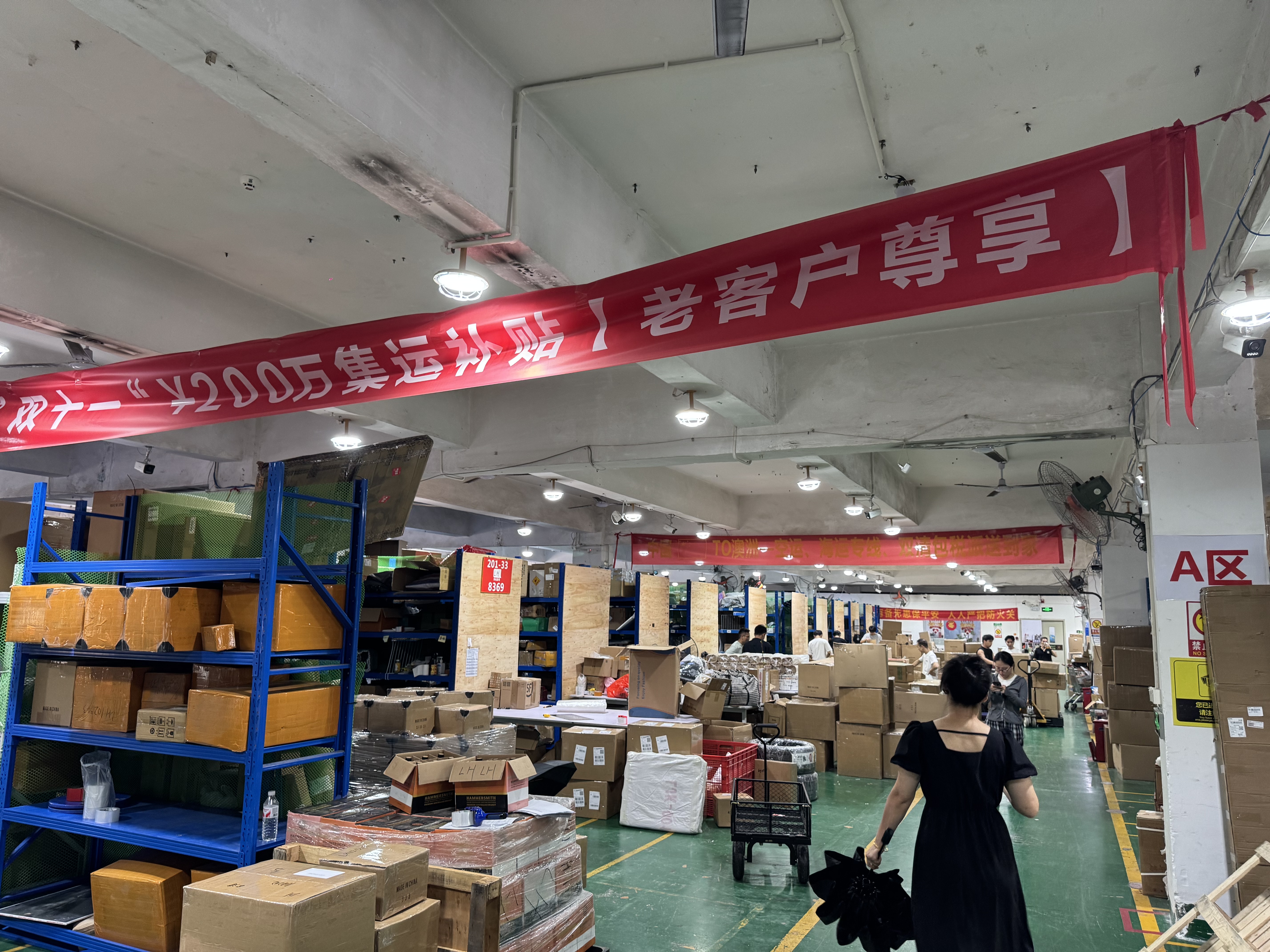
**Lack of Technological Adoption If the shipping industry on the China - Australia route fails to adopt new technologies, it will lag behind in the global market. Competitors in other regions may offer more efficient and cost - effective shipping services, which will attract away some of the China - Australia shipping business. Impact on Shipping: Shipping companies may lose their competitiveness, resulting in lower revenues. They may also face challenges in meeting the growing demands of shippers for more transparent and efficient services.
IV. Natural Disasters and Geopolitical Risks
**Natural Disasters Natural disasters such as typhoons, earthquakes, and floods can disrupt the China - Australia consolidated shipping. In 2026, if a major typhoon hits the shipping lanes or a port is damaged by an earthquake, it will cause delays in shipments. Impact on Shipping: Shipping companies will face longer transit times and may have to reroute their ships, which will increase the cost. Shippers may also have to bear the losses caused by the delay, such as spoilage of perishable goods.**Geopolitical Risks Geopolitical tensions between China and Australia can also pose risks to the shipping route. If there are political disputes that lead to trade embargoes or restrictions, it will directly affect the volume of goods being shipped. Impact on Shipping: Shipping companies may lose a significant amount of business. They may also have to deal with the challenges of navigating through complex political situations and ensuring the safety of their ships and crews.
V. The Role of a Reliable Shipping Partner like Shengda International Logistics
In all these different scenarios, having a reliable shipping partner like Shengda International Logistics can make a huge difference. Shengda International Logistics focuses on the China - Australia route, deeply understanding the local logistics policies and customs standards.
**Customized Solutions It can provide customized shipping solutions according to different scenarios. For example, during an economic downturn, it can offer more cost - effective shipping options such as sea - air combined transportation to help shippers reduce costs.**Risk Management Shengda International Logistics has a professional team to manage various risks. In the face of natural disasters or geopolitical risks, it can quickly adjust the shipping plan to minimize the impact on shippers.
**Customer - Centered Service The company provides a full set of free value - added services. From warehousing to customs clearance and final delivery, it ensures that the shipping process is smooth and transparent. Shippers can track the status of their goods in real - time through the company's self - developed intelligent shipping system.
FAQs
What if my goods are damaged during the shipping process on the China - Australia route? With Shengda International Logistics, we have a formal compensation mechanism. For goods damaged due to operational errors, we can provide standard compensation. Based on our past experience, we have successfully compensated customers for damaged goods in a timely and efficient manner, ensuring that your losses are minimized.Can Shengda International Logistics handle sensitive goods on the China - Australia route? Absolutely. We have opened a dedicated compliant declaration channel. We can transport legal sensitive goods such as food, cosmetics, and electronic products with batteries. Our professional team will ensure that all procedures comply with customs regulations, reducing the risk of goods being held.
How does Shengda International Logistics ensure the safety of my goods during the long - distance shipping from China to Australia? We have a 35,000 - square - meter self - operated standardized warehouse in Shenzhen, where all operations from warehousing to shipping are carried out independently without outsourcing. We also provide special protection services for fragile goods, such as using multi - layer shock - proof packaging, to ensure the safety of your goods during transportation.
What if I need to store my goods for a long time before shipping them to Australia? Shengda International Logistics offers 365 - day long - term free warehousing services. You can store your goods in our warehouse and wait for the right time to ship them. This gives you more flexibility in your shipping plan.
How can I track the status of my goods on the China - Australia route? You can use our self - developed intelligent shipping system. Once your goods enter our warehouse, you can check the status of warehousing, packaging, transportation, customs clearance, and delivery in real - time. There will be no false tracking information, ensuring that you are always informed about the whereabouts of your goods.
As we look into the future of China - Australia consolidated shipping in 2026, it's clear that the performance of this shipping route will be influenced by a variety of factors. However, with a reliable partner like Shengda International Logistics, shippers can better navigate through different scenarios and ensure the smooth and efficient transportation of their goods.
