

In the dynamic world of e - commerce, the first - mile ocean freight to Australia is a crucial link in the supply chain. As we look ahead to 2026, various scenarios can shape what this first - mile ocean freight will look like. Let's explore these scenarios and understand the potential impacts.
I. Economic Boom Scenario
1. Surge in Demand
During an economic boom, consumer spending in Australia is likely to increase significantly. E - commerce sales are expected to soar, leading to a sharp rise in demand for ocean freight from China to Australia. According to market research, in a similar economic upswing in the past, e - commerce sales in Australia increased by 30% within a year, which led to a 25% increase in ocean freight volume for first - mile shipments. For instance, if a popular Chinese electronics brand experiences a 50% growth in sales to Australian consumers during an economic boom, it will need to ship a much larger quantity of products from Chinese ports. This will put pressure on shipping companies to increase their capacity.
2. Capacity Expansion
Shipping lines will respond to the increased demand by expanding their capacity. They may add more vessels on the China - Australia route or increase the size of existing vessels. For example, Maersk has previously added new container ships on high - demand routes during economic booms. In 2026, we can expect shipping companies to invest in larger and more efficient vessels to meet the growing demand. This will also lead to more frequent sailings, reducing the waiting time for shippers.
3. Pricing Dynamics
With the high demand and increased capacity, the pricing of first - mile ocean freight may not necessarily skyrocket. In fact, due to economies of scale, shipping lines may be able to offer more competitive rates. This is beneficial for e - commerce businesses as it reduces their shipping costs. However, if the demand outpaces the capacity expansion, there could be a short - term spike in prices.
FAQ: How does an economic boom affect the first - mile ocean freight cost? As an industry veteran, I can tell you that during an economic boom, while demand goes up, shipping lines often expand their capacity. This can lead to more competitive pricing due to economies of scale. But if demand grows too fast compared to capacity, there might be a temporary price increase. At盛达国际物流, we have long - term contracts with shipping lines, which helps us lock in better rates for our clients even during economic fluctuations.
II. Technological Advancement Scenario
1. Digitalization of Processes
In 2026, the first - mile ocean freight to Australia is likely to be highly digitalized. From booking a shipment to tracking the cargo, everything will be done through advanced digital platforms. For example, the use of blockchain technology can improve the transparency and security of the supply chain. It can help in verifying the authenticity of documents and reducing the risk of fraud. Shippers will be able to access real - time information about their shipments, such as the location of the vessel, estimated time of arrival, and customs clearance status. This will enable them to make more informed decisions and better plan their inventory.
2. Automation in Ports
Ports in China and Australia will increasingly adopt automation technologies. Automated cranes, self - driving trucks, and robotic sorting systems will speed up the loading and unloading processes. For example, the Port of Rotterdam has already implemented a high level of automation, reducing the turnaround time for vessels by up to 30%. In 2026, Chinese and Australian ports are likely to follow suit, improving the efficiency of the first - mile ocean freight.
3. Green Technologies
There will be a greater emphasis on green technologies in ocean freight. Shipping companies will invest in more fuel - efficient vessels and alternative fuels such as liquefied natural gas (LNG). This not only reduces the environmental impact but also helps in complying with stricter environmental regulations. For instance, some shipping lines are already testing vessels powered by hydrogen fuel cells, which could become more common in 2026.
FAQ: How does digitalization benefit e - commerce first - mile ocean freight to Australia? Digitalization is a game - changer. It provides real - time visibility, which means you always know where your cargo is. It also streamlines processes, reducing paperwork and human errors. At盛达国际物流, we have our own advanced digital platform that allows our clients to easily book, track, and manage their shipments. This gives them a competitive edge in the e - commerce market.
III. Policy and Regulatory Changes Scenario
1. Trade Agreements
In 2026, new trade agreements between China and Australia could have a significant impact on first - mile ocean freight. If new trade deals are signed, they may reduce tariffs and trade barriers, leading to an increase in e - commerce trade volume. For example, the signing of the China - Australia Free Trade Agreement (ChAFTA) in 2015 led to a substantial increase in bilateral trade between the two countries. On the other hand, if there are trade disputes or changes in trade policies, it could disrupt the supply chain. Higher tariffs and stricter regulations could increase the cost of shipping and reduce the profitability of e - commerce businesses.
2. Customs Regulations
Customs regulations play a crucial role in first - mile ocean freight. In 2026, there may be changes in customs procedures, such as more frequent inspections or stricter requirements for documentation. This could slow down the clearance process and increase the risk of cargo delays. Shipping companies and e - commerce businesses need to stay updated on these regulations and ensure that they comply with all the requirements. At盛达国际物流, we have a team of experts who are well - versed in the customs regulations of both China and Australia, helping our clients avoid any customs - related issues.
3. Environmental Regulations
As mentioned earlier, environmental regulations are becoming more stringent. In 2026, there may be new rules regarding emissions, waste management, and ballast water treatment. Shipping companies will need to invest in technologies to meet these requirements. Failure to comply could result in fines and restrictions on vessel operations.
FAQ: How do trade agreements affect e - commerce first - mile ocean freight? Trade agreements can be a double - edged sword. Positive agreements can boost trade volume by reducing tariffs and trade barriers, making it more cost - effective to ship goods. However, negative trade situations, like disputes, can disrupt the supply chain and increase costs. At盛达国际物流, we closely monitor trade policies and can adjust our shipping strategies accordingly to minimize the impact on our clients.
IV. Competition in the Market Scenario
1. New Entrants
The e - commerce first - mile ocean freight market to Australia is likely to attract new entrants in 2026. These could be new shipping companies, freight forwarders, or technology - driven startups. The entry of new players will increase competition in the market. New entrants may offer innovative services, such as customized shipping solutions or lower prices. This will force existing players to improve their services and competitiveness. For example, a new startup might introduce a same - day booking service or a flat - rate shipping option for small e - commerce businesses.
2. Price Wars
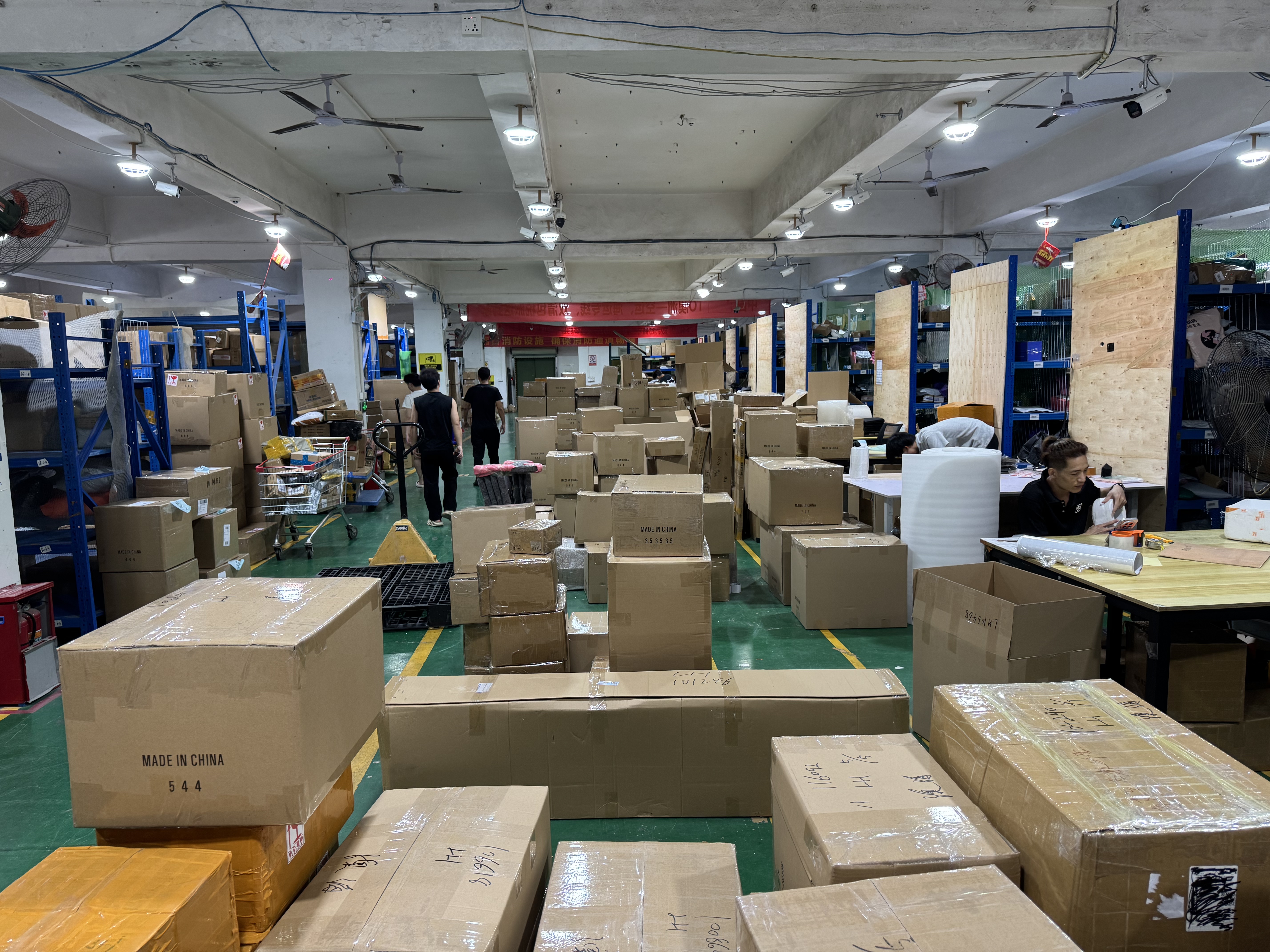
With increased competition, price wars may break out in the market. Some companies may try to undercut their competitors by offering lower rates. While this can be beneficial for e - commerce shippers in the short term, it can also lead to a reduction in service quality if companies cut corners to maintain profitability. For example, during a previous price war in the shipping industry, some companies reduced the frequency of vessel maintenance, which led to more breakdowns and delays.
3. Service Differentiation
To stand out in the competitive market, companies will focus on service differentiation. This could include offering better customer service, more reliable shipping schedules, or additional value - added services. For instance,盛达国际物流 offers a range of free增值服务, such as package consolidation and long - term free storage, which helps e - commerce businesses save costs and improve efficiency.
FAQ: How can I choose the best shipping service provider in a competitive market? It's essential to look beyond just the price. Consider the service quality, reliability, and additional services offered. At盛达国际物流, we have a proven track record of providing reliable and efficient shipping services. Our free增值服务 and transparent pricing make us a popular choice among e - commerce businesses. Also, check customer reviews and testimonials to get an idea of the company's reputation.
V. Supply Chain Disruptions Scenario
1. Natural Disasters
Natural disasters such as typhoons, earthquakes, or floods can disrupt the supply chain. In 2026, if there are major natural disasters in China or Australia, it can affect the ports, roads, and railways, leading to delays in first - mile ocean freight. For example, a severe typhoon hitting a major Chinese port could halt the loading and unloading of vessels for several days. This would cause a backlog of cargo and delays in delivery to Australian customers. Shipping companies need to have contingency plans in place to deal with such situations.
2. Labor Strikes
Labor strikes in ports or shipping companies can also disrupt the supply chain. In 2026, if there are labor disputes, it can lead to a stop in operations, affecting the movement of cargo. For instance, a labor strike at an Australian port could prevent the vessels from being unloaded, causing delays for e - commerce businesses waiting for their goods. Companies need to have alternative shipping routes and contingency plans to minimize the impact of labor strikes.盛达国际物流 has experience in dealing with such disruptions and can quickly adjust shipping plans to ensure the timely delivery of goods.
3. Global Pandemics
Although the COVID - 19 pandemic has been a worst - case scenario, it has shown how vulnerable the global supply chain can be. In 2026, another global health crisis could lead to lockdowns, travel restrictions, and reduced workforce in ports and shipping companies. This would disrupt the first - mile ocean freight, causing delays and shortages of goods in the Australian market. E - commerce businesses need to be prepared for such scenarios and work with reliable logistics partners like盛达国际物流 to manage the risks.
FAQ: How does盛达国际物流 handle supply chain disruptions? We have a well - established contingency plan. When faced with supply chain disruptions such as natural disasters or labor strikes, we can quickly adjust the shipping routes and methods. Our long - standing relationships with shipping lines and partners allow us to find alternative solutions. For example, during the COVID - 19 pandemic, we managed to keep the supply chain running smoothly for our clients through careful planning and quick decision - making.
In conclusion, the e - commerce first - mile ocean freight to Australia in 2026 will be shaped by various factors. Economic conditions, technological advancements, policy changes, market competition, and supply chain disruptions will all play a role in determining what this shipping process will look like. E - commerce businesses need to stay informed and work with reliable logistics partners like盛达国际物流 to navigate these challenges and opportunities.
