

How Long is the Shipping Time of Canada Ocean Freight in Different Scenarios in 2026?
The shipping time of Canada ocean freight is a topic that concerns many people, whether they are individuals moving to Canada or businesses shipping goods. In 2026, the shipping time can vary significantly depending on different scenarios. Let's explore this issue in detail.
I. Impact of Trade Policies on Shipping Time
In 2026, the trade policies between China and Canada have a close - connection with the shipping time of ocean freight. New policies have been introduced to simplify customs clearance procedures, which has effectively reduced the time that goods stay at customs. For example, the implementation of “green channels” for certain goods has accelerated the inspection and release process.
According to statistics from the first half of 2026, goods that used to take about 7 - 10 days for customs clearance in the past now only take 3 - 5 days on average. This reduction in customs - related time has a positive impact on the overall shipping time.
FAQ: Q: How do these new policies specifically affect the shipping time? A: From my experience in the industry, the simplified customs clearance policies mean less paperwork and faster inspections. This saves a lot of time for goods at ports, allowing them to move on to the next stage of the journey more quickly. For instance, electronics can now enter the Canadian market 2 - 3 days earlier thanks to these policies. And the green channels for agricultural products have been a huge help, reducing the waiting time from about a week to just a couple of days.
II. Shipping Time for Different Types of Goods
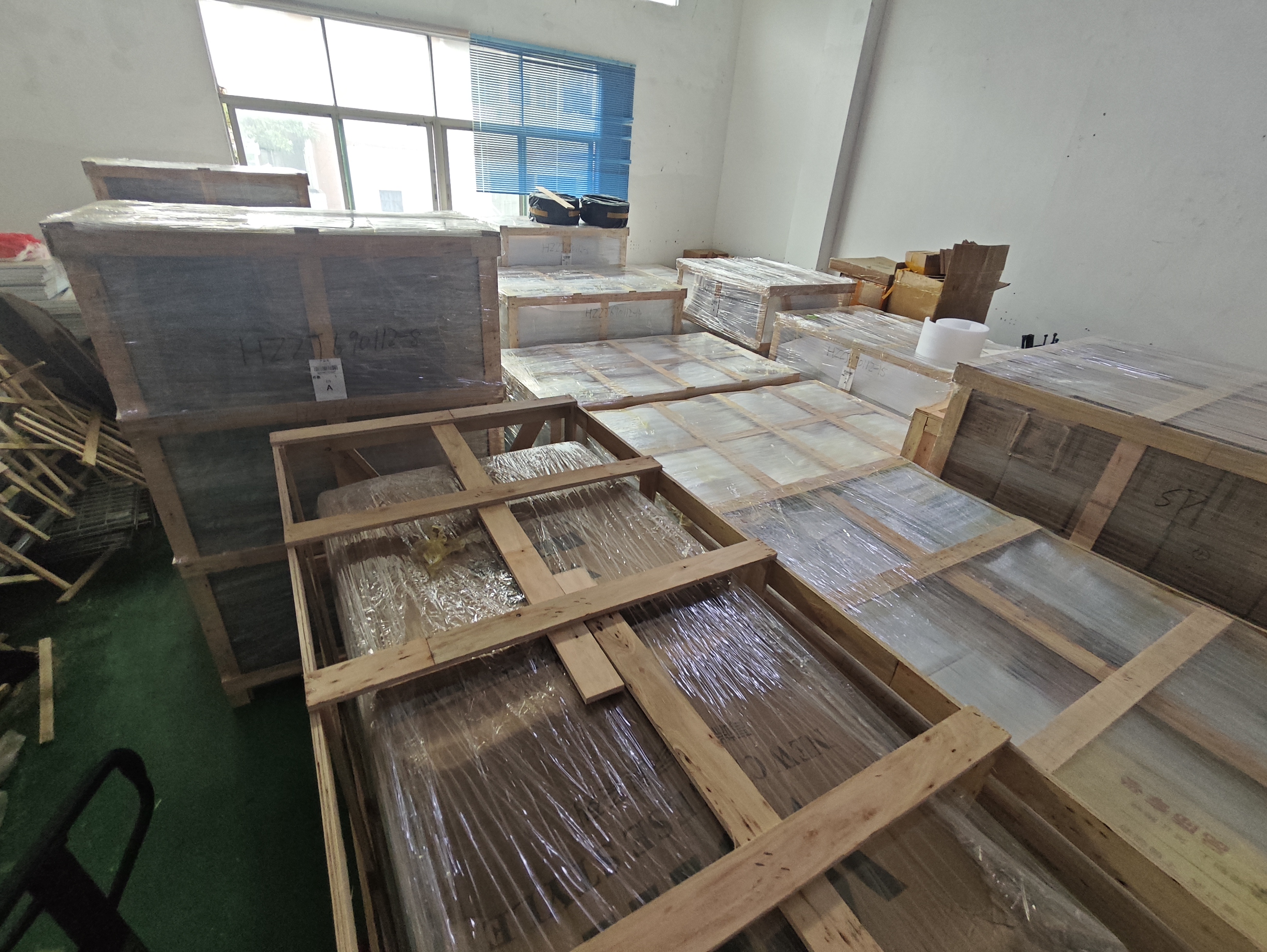
General consumer goods General consumer goods such as clothing and household items usually have a relatively stable shipping time. From major Chinese ports like Shanghai and Shenzhen to Canadian ports like Vancouver and Toronto, the shipping time is typically around 18 - 25 days. This is because these goods are common and the transportation process is well - established. For example, a shipment of T - shirts from a Chinese clothing factory to a Canadian retailer takes about 20 days on average.
Heavy machinery and large equipment Shipping heavy machinery and large equipment to Canada is a more complex process. These goods require special handling and proper stowage on the ship. The shipping time is often longer, usually ranging from 25 - 35 days. For example, a shipment of construction machinery from China to a construction site in Canada might take about 30 days. This is due to the extra time needed for loading and unloading, as well as the potential need for special shipping routes.
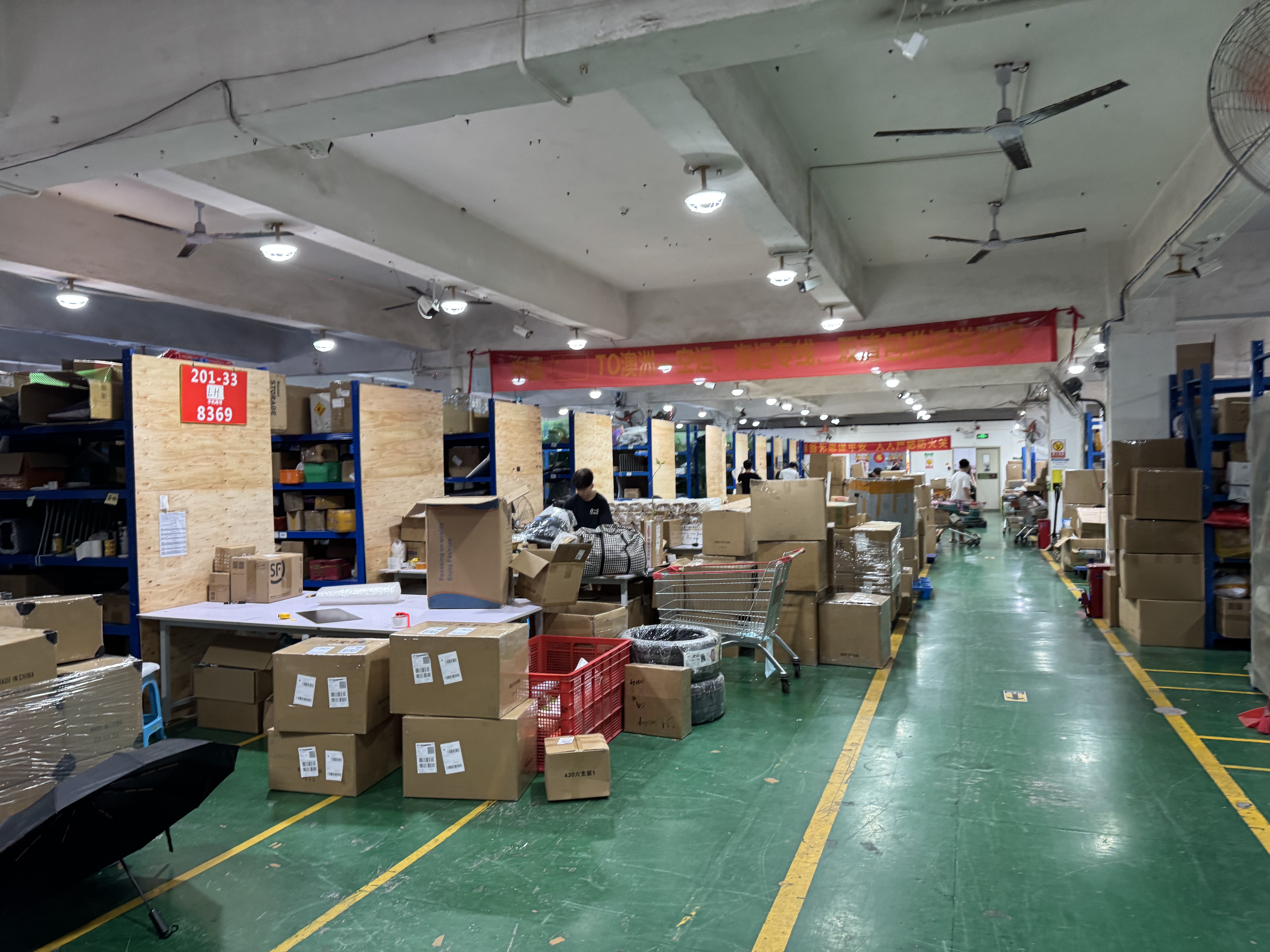
Perishable goods Perishable goods like fruits, vegetables, and fresh seafood have a limited shelf - life. Therefore, the shipping time must be minimized. The shipping time for perishable goods from China to Canada is usually around 10 - 15 days. Using refrigerated containers and express shipping options helps ensure the freshness of the products. However, these options are more expensive compared to general shipping methods.

FAQ: Q: Why is there such a big difference in shipping time for different types of goods? A: Well, different goods have different characteristics. General consumer goods are easy to handle and transport, so the shipping process is streamlined. But heavy machinery needs special arrangements, and perishable goods have a short lifespan, so they need to reach their destination quickly. For example, if you ship a TV set, it's a standard - sized product that can be loaded easily. But a giant crane needs special equipment for loading and a real estate on the ship. And fresh strawberries can't wait around for a long time in transit.
III. Impact of Shipping Routes on Shipping Time


Direct routes Direct shipping routes from China to Canada can significantly shorten the shipping time. For example, a direct route from Shanghai to Vancouver might take about 15 - 20 days. There are no stops along the way to pick up or drop off other goods, which saves a lot of time. However, direct routes may not be available for all ports or types of goods, and they are often more expensive.
Trans - ship routes Trans - ship routes involve the transfer of goods at an intermediate port. While this option is usually more cost - effective, it can increase the shipping time. The shipping time for trans - ship routes can be 20 - 30 days or even longer, depending on the waiting time at the trans - ship port. For example, a shipment that goes through a trans - ship port in Singapore might take an extra 5 - 10 days due to the transfer process.
FAQ: Q: Are direct routes always better in terms of shipping time? A: In terms of pure shipping time, direct routes are indeed better. They are like taking a direct flight instead of one with layovers. But they can be expensive. Sometimes, if the cost is a major concern, the trans - ship routes are a good option. For example, if you're shipping a large quantity of low - value goods, spending a little extra time on the trans - ship route can save you a lot of money.
IV. The Role of Shipping Companies in Shipping Time
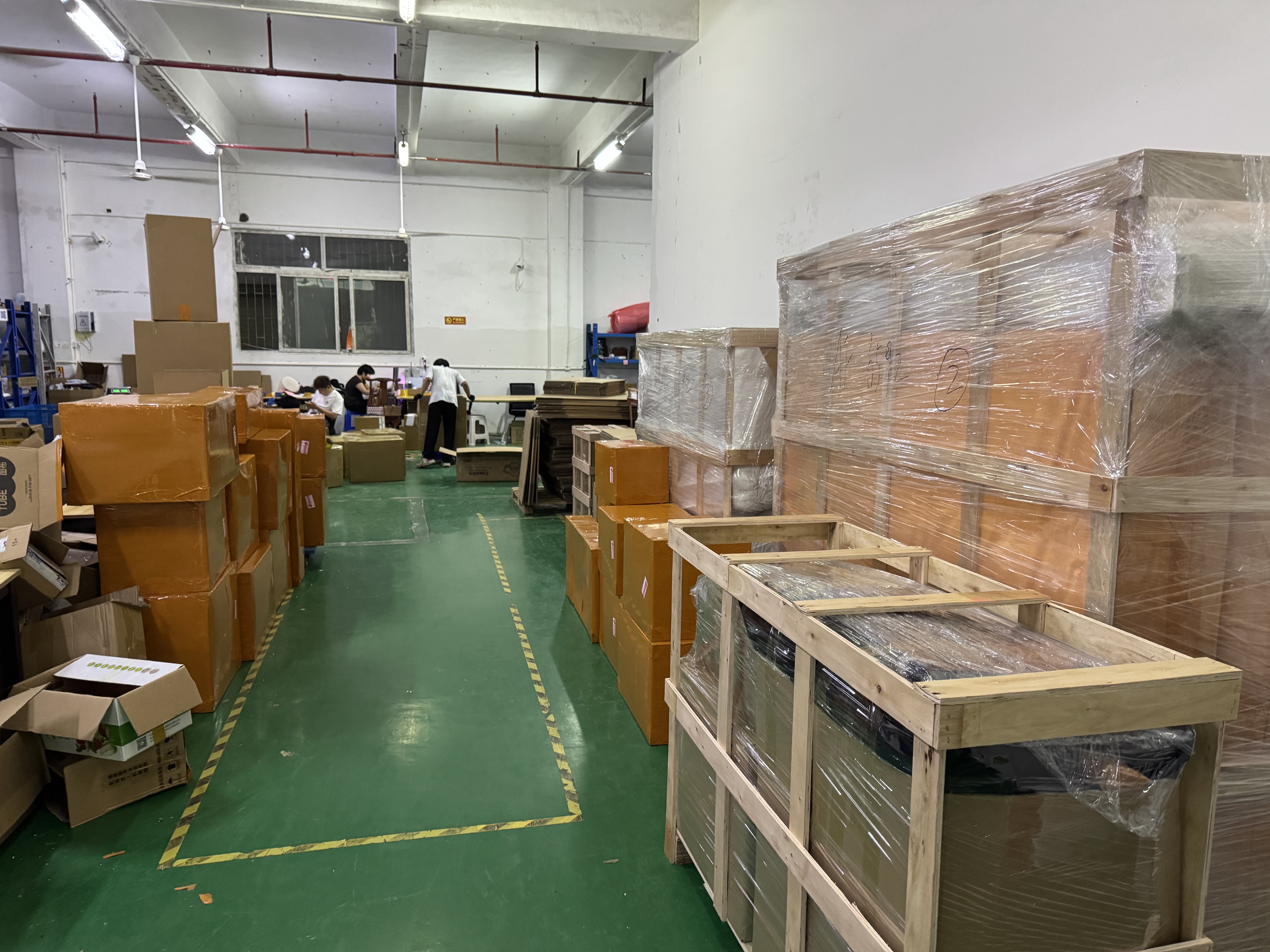
Large - scale shipping companies Large - scale shipping companies like Maersk and CMA CGM often have a well - organized shipping network and advanced vessels. They can better manage the shipping process and ensure relatively stable shipping times. For example, Maersk has a schedule for its China - Canada routes, and most of the time, they can meet the estimated shipping time within a few days' deviation.
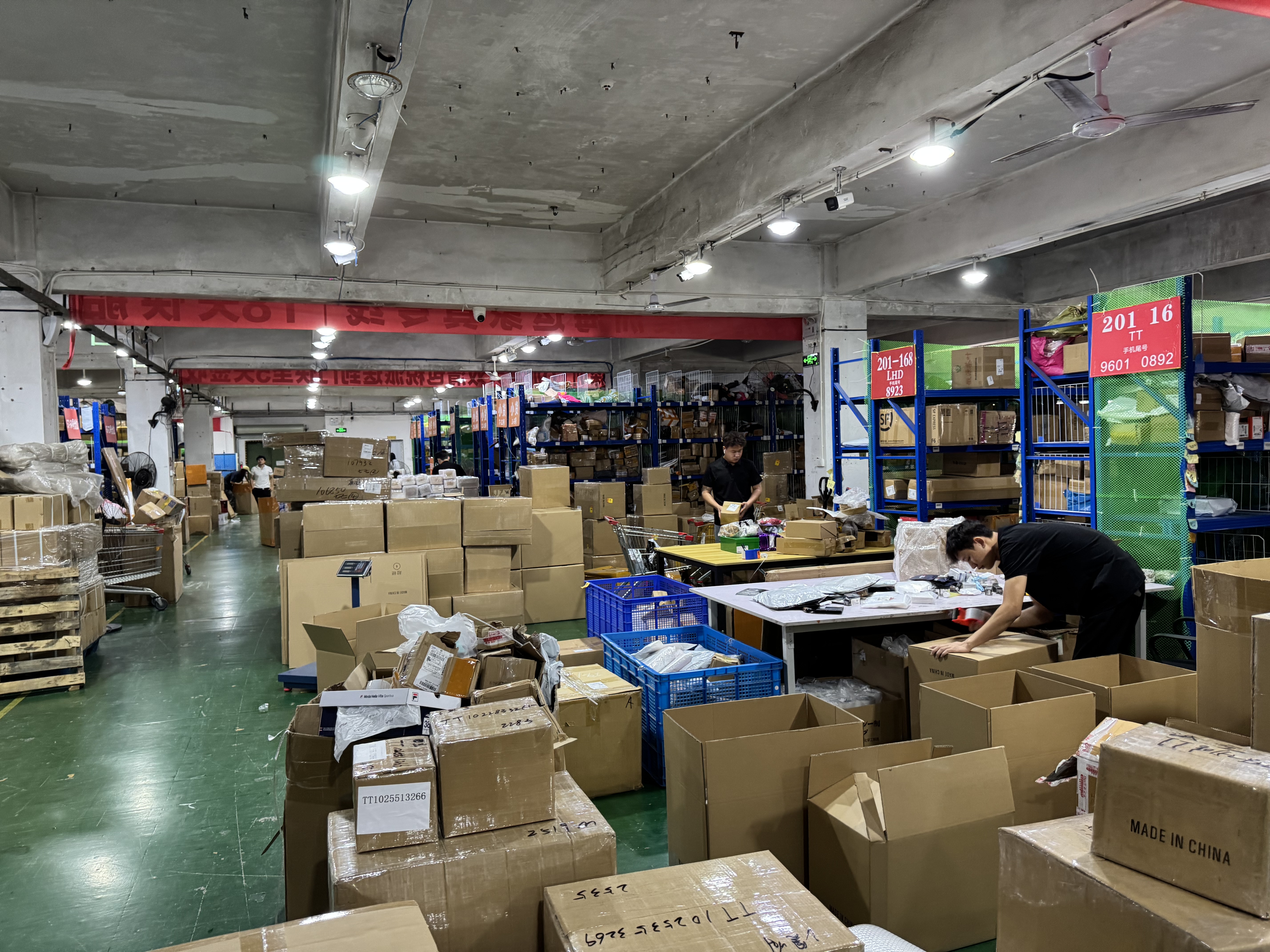
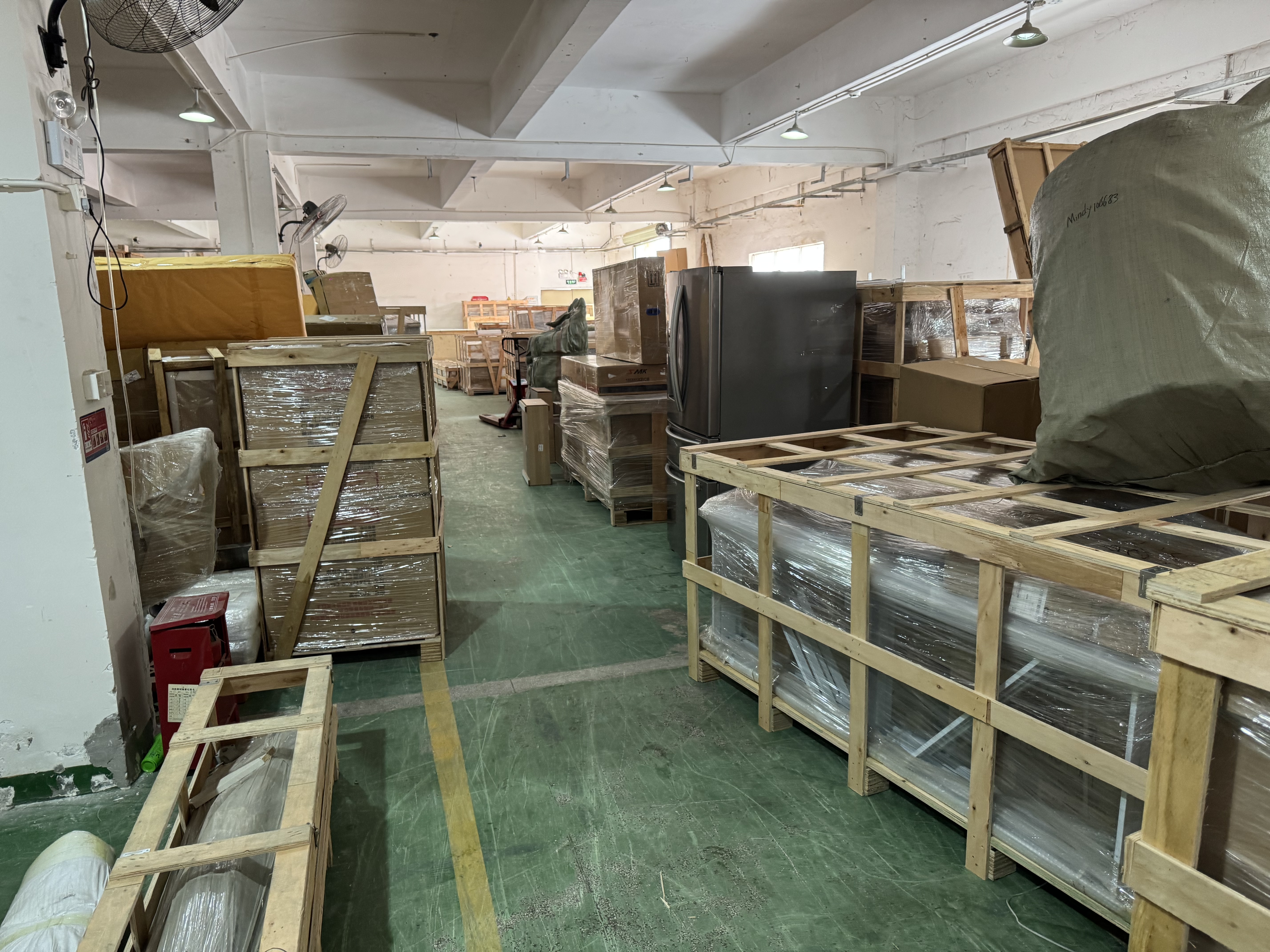
Smaller shipping companies Smaller shipping companies may offer more flexible services, but their shipping times can be less predictable. They may have fewer vessels and less influence on port operations. For example, a small - scale shipping company might face delays due to difficulties in getting a good berth at the port or problems with coordinating with other parties.
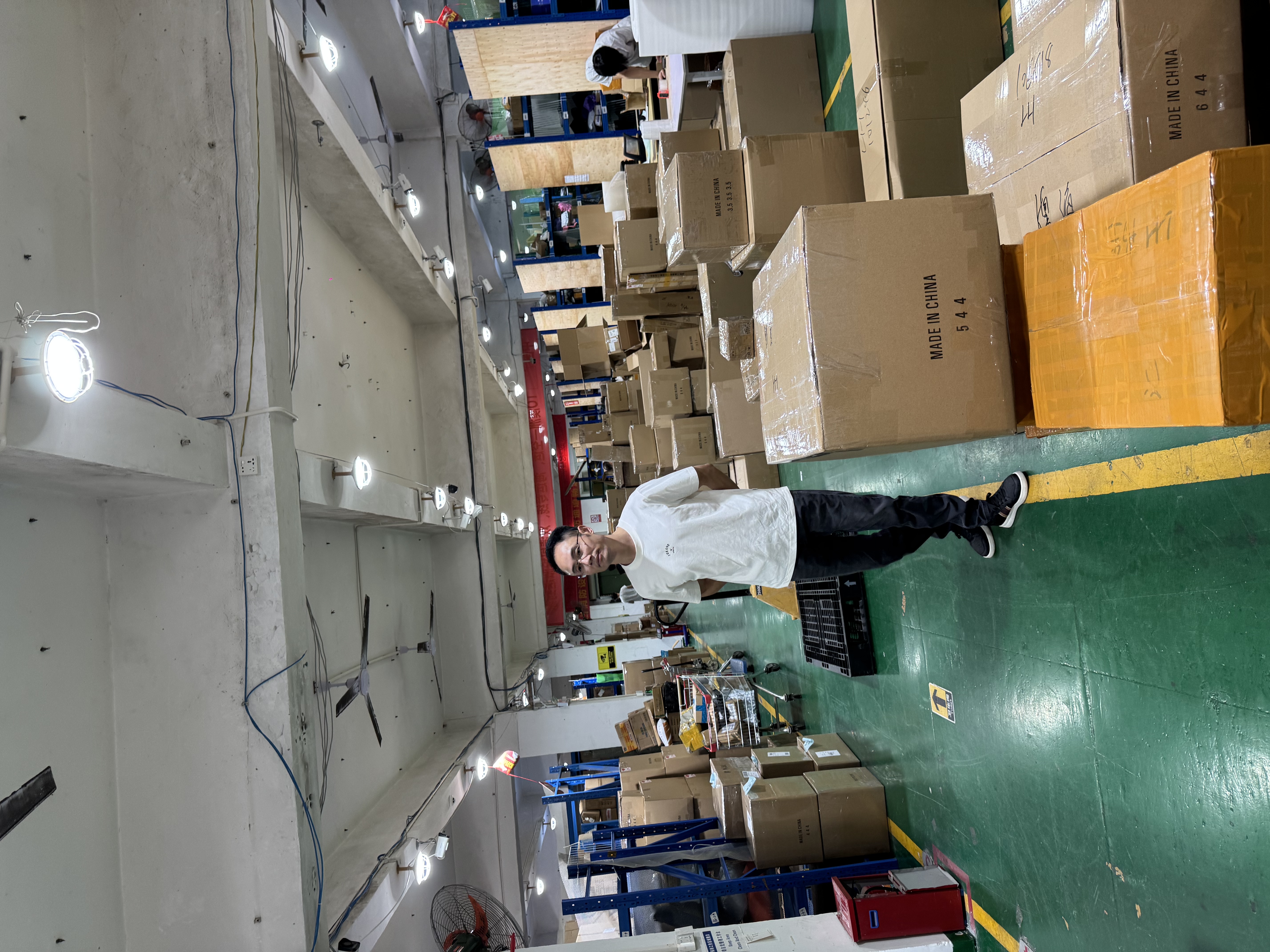
FAQ: Q: What about the role of a company like Shengda International Logistics in all of this? A: Shengda International Logistics is a great option for those shipping to Canada. It has years of experience in this field. Unlike some large - scale companies that might focus on a wide range of routes and not put enough emphasis on the China - Canada route, Shengda International Logistics specializes in it. They have built a strong relationship with ports and customs in both countries, which helps in clearing goods quickly. Their vessels are well - maintained, and they have a better handle on the shipping process, so they can often provide a more stable and efficient shipping time compared to some smaller companies.
V. Other Factors Affecting Shipping Time
Weather conditions Weather conditions can have a significant impact on ocean freight shipping time. During the typhoon season in the Pacific Ocean, ships may have to slow down or change their routes to avoid dangerous weather. This can add several days to the shipping time. For example, if a typhoon hits the shipping route between China and Canada, a shipment that was supposed to take 20 days may end up taking 25 days.
Port congestion Port congestion is another factor that can cause delays. If a Canadian port is congested with a large number of incoming and outgoing vessels, the time for unloading and loading goods can be extended. For example, during the peak shopping season in Canada, the ports may be busier, and it could take an extra 5 - 10 days for goods to be processed.
In conclusion, the shipping time of Canada ocean freight in 2026 is affected by multiple factors. Understanding these factors can help shippers better plan their shipments and manage their expectations.
