

I. Introduction
In 2026, with the continuous development of Sino - Canadian trade and cross - border e - commerce, package consolidation from China has become an important service for Canadian e - commerce sellers. But there are also many pitfalls and key points to note in this process. I've seen many Canadian clients struggle with issues like high costs, long delivery times, and customs clearance problems. This article aims to share some practical experience to help Canadian e - commerce sellers better understand package consolidation from China.
II. Key Points of Package Consolidation Service
1. Cost Structure
Package consolidation services involve multiple cost elements. There are shipping costs, which vary depending on the shipping method (air or sea), weight, and volume. For example, air shipping is generally faster but more expensive. In addition, there are consolidation fees charged by the logistics provider. These fees might include the cost of repackaging, sorting, and holding the packages. A client of mine, a home goods seller in Toronto, once used a package consolidation service. He was shocked to find that the additional fees were much higher than he expected. After our analysis, we found that the logistics provider charged high fees for repackaging and long - term storage. That's why it's crucial to understand the detailed cost structure before using a service.
2. Shipping Time
Shipping time is a critical factor for e - commerce sellers. Air shipping usually takes about 7 - 12 days, which is suitable for urgent orders or high - value and light - weight products. Sea shipping, on the other hand, is slower, taking roughly 25 - 40 days, but it's more economical for large - quantity and heavy - weight goods. In 2026, due to new policies and potential port congestion, shipping times may be extended. An apparel importer in Vancouver once ordered a large batch of clothing from China. He chose sea shipping for cost - saving purposes. However, due to unexpected port congestion in Shanghai, the delivery was delayed by nearly two weeks, which affected his sales season.
3. Customs Clearance
Customs clearance is a complex but crucial step. In 2026, the Canadian Border Services Agency (CBSA) has tightened regulations on imported goods, especially for sensitive items such as food, cosmetics, and electronics. It's necessary to provide accurate commercial invoices, product descriptions, and HS codes. A 3C electronics seller in Calgary had his goods detained at the Canadian border because the product description on the invoice was inaccurate, which led to a misclassification of HS codes. After a lot of communication and providing the correct information, the goods were finally released.
III. Advantages and Disadvantages of Package Consolidation
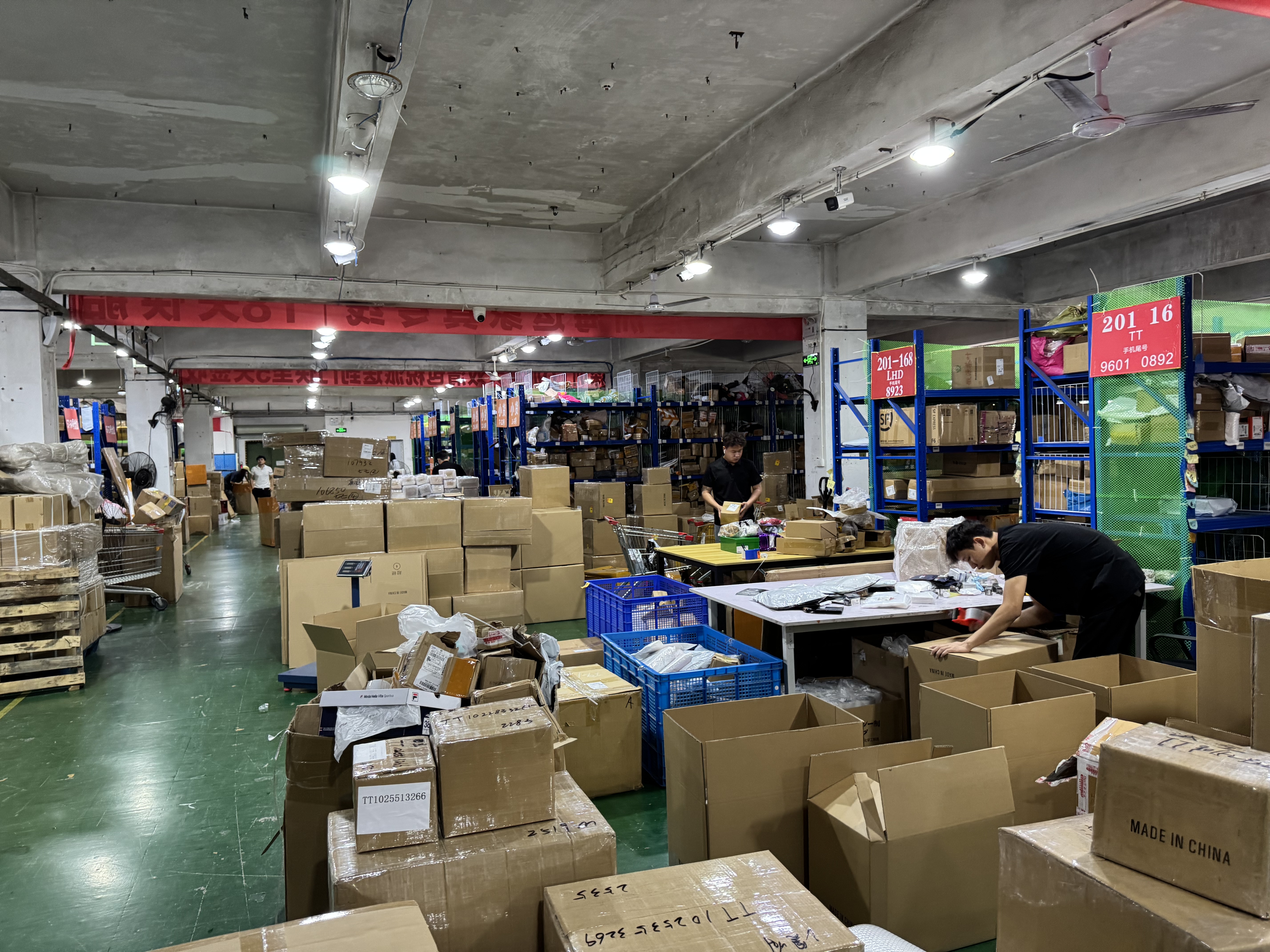
1. Advantages
Package consolidation can significantly reduce shipping costs. By combining multiple small packages into one large shipment, sellers can take advantage of bulk shipping rates. For example, a trade factory in Montreal that exports various small products to Canada can save a lot of money by using package consolidation services. Moreover, it simplifies the logistics process. Sellers only need to deal with one shipment instead of multiple individual packages, which reduces the administrative burden.
2. Disadvantages
There are also some downsides. The consolidation process may take some time, which can delay the overall delivery. If the logistics provider is not efficient, sellers may face long waiting times. In addition, there is a risk of mis - consignment or loss of packages during the consolidation process. A client of mine, a small e - commerce seller in Toronto, once had a package go missing during the consolidation process. It took a long time and a lot of effort to track it down.
IV. How to Choose a Package Consolidation Service Provider
1. Reputation and Experience
Look for a service provider with a good reputation and rich experience in Sino - Canadian package consolidation. You can check online reviews and ask for referrals from other e - commerce sellers. A provider with a long - standing history is more likely to handle various situations smoothly. I once recommended a well - established logistics provider to an e - commerce seller in Vancouver. This provider had been in the industry for over a decade and had a high success rate in customs clearance and on - time delivery.
2. Service Scope
Ensure that the service provider offers a comprehensive range of services, including storage, repackaging, and customs clearance assistance. Some providers may only offer basic consolidation services, which may not meet all your needs. For example, if you have fragile items, you need a provider that can offer proper packaging and protection.
3. Cost - effectiveness
Compare the prices of different service providers, but don't just focus on the lowest price. Make sure you understand what is included in the price and whether there are any hidden costs. A seller in Calgary once chose a very cheap package consolidation service, but later found that there were many additional fees for storage and handling.
V. FAQ
Q: How can I ensure the safety of my goods during the package consolidation process? A: Look for a service provider with a good track record of handling goods safely. They should offer proper packaging and storage facilities. Providers like Shengda International Logistics have strict quality control measures in place to ensure the safety of your goods. They use high - quality packaging materials and have a standardized handling process.Q: What should I do if my goods are detained at the Canadian border during customs clearance? A: First, contact your logistics provider immediately. They should have experience in dealing with customs clearance issues and can help you provide the necessary documents and information. Make sure all the information on your commercial invoices and product descriptions is accurate. In many cases, providing the correct HS codes can resolve the problem.
Q: Can package consolidation services handle sensitive goods? A: Some service providers have dedicated channels for handling sensitive goods such as food, cosmetics, and electronics. However, it's important to check with the provider in advance. Shengda International Logistics, for example, has a sensitive goods compliance专线, which means they can handle many types of sensitive goods through proper申报 channels and help you avoid customs risks.
Q: How long does the package consolidation process usually take? A: It depends on the service provider and the complexity of the consolidation. Generally, it can take from a few days to a week. However, factors like the volume of goods, the efficiency of the provider, and any additional services required can affect the time. You can ask the provider for a specific estimate based on your situation.
Q: Is it possible to track my consolidated package? A: Most reliable service providers offer package tracking services. They use advanced logistics systems to update the status of your package in real - time. For example, Shengda International Logistics has a self - developed intelligent集运 system that allows you to keep track of your package at all stages, from storage to delivery.
In conclusion, Canadian e - commerce sellers need to have a comprehensive understanding of package consolidation services from China in 2026. By paying attention to key points such as cost, shipping time, and customs clearance, and choosing a reliable service provider, you can make the most of this service and improve your business efficiency.
